Temperance Movement: Push for Prohibition — Reading Comprehension
Rate this
Premium Resource
Present
Present in classroom. No work saved
Assign
Classroom with student accounts, Track progress
Quick Play
No student accounts, assign with a link
Grades
6
7
8
Standards
D2.HIS.2.3-5
D2.HIS.3.3-5
RI.6.3
RI.6.4
W.6.2
PRINT+DIGITAL RESOURCE
This learning resource is available in interactive and printable formats. The interactive worksheet can be played online and assigned to students. The Printable PDF version can be downloaded and printed for completion by hand.
This passage explores the Temperance Movement and the push for Prohibition in the United States. Students will learn about the causes, motivations, and consequences of the campaign to ban alcohol, examining both the supporters and opponents of temperance. The reading uses a compare/contrast structure and incorporates a primary source quote for analysis, meeting C3 Framework and Common Core standards. Activities include a timeline, glossary, multiple-choice quiz, writing prompts, and a T-Chart graphic organizer, designed to build historical reasoning and vocabulary. The passage is accompanied by a glossary of key terms, a Spanish translation, and a relevant historical image. Audio narration is provided for accessibility. This resource is ideal for developing reading comprehension and critical thinking skills in U.S. history.
CONTENT PREVIEW
Expand content preview
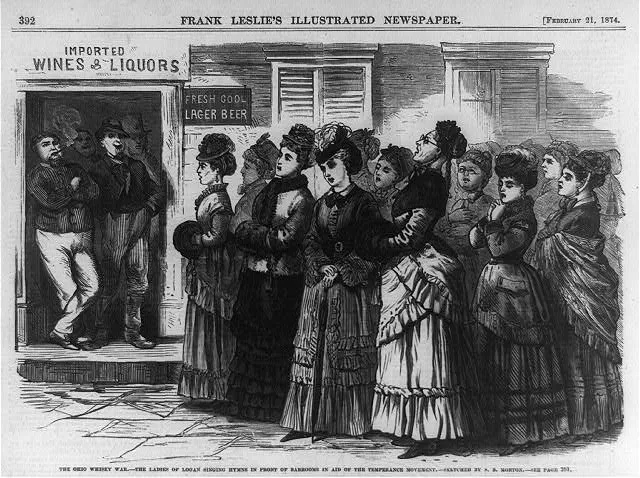
The Ohio whiskey war - the ladies of Logan singing hymns in front of barrooms in aid of the temperance movement Source: Library of Congress - Morton, S. B.
The Temperance Movement was a major social reform campaign in the United States during the 19th and early 20th centuries. Temperance activists believed that the consumption of alcohol led to serious social problems, including poverty, violence, and the breakdown of families. These reformers argued that the widespread use of alcohol caused workers to lose their jobs, increased crime, and left many children hungry. Therefore, the movement promoted abstinence, which means not drinking alcoholic beverages at all.
Women played a leading role in the Temperance Movement. Many joined organizations such as the Women’s Christian Temperance Union (WCTU), founded in 1874. They believed that alcohol threatened the well-being of families and communities. The WCTU held marches, gave speeches, and lobbied lawmakers to create new laws. Women’s activism in the movement provided them with new opportunities to speak publicly and participate in politics, even before they had the right to vote.
The Temperance Movement grew during the Progressive Era, a time when many Americans wanted to solve the nation’s social problems through reform. Supporters used scientific studies, religious arguments, and dramatic stories about the dangers of alcohol to convince others to join their cause. Some also blamed alcohol for making immigrants and the poor more likely to stay in poverty, although these views were sometimes based on stereotypes rather than facts.
Despite opposition from people who enjoyed alcohol or made a living selling it, the movement gained strength. Temperance supporters formed powerful organizations and influenced legislation at local, state, and national levels. In 1919, the movement achieved its greatest victory with the passage of the 18th Amendment to the U.S. Constitution, which began the period known as Prohibition. This law made the production, sale, and transportation of alcoholic beverages illegal across the country.
However, Prohibition created new challenges. Illegal alcohol businesses, known as "bootlegging," spread rapidly. Organized crime increased, and many Americans broke the law by drinking in secret bars called "speakeasies." These unintended consequences led some former supporters to question whether prohibition truly solved the problems the movement had targeted. Eventually, the 18th Amendment was repealed by the 21st Amendment in 1933, ending national prohibition.
Nevertheless, the Temperance Movement left a lasting impact on American society. It provided women with experience in organizing and advocating for change, which helped fuel later movements for women’s suffrage and civil rights. The movement also changed the way Americans discussed alcohol and public health, setting a model for future reform efforts.
Interesting Fact: In the early 1900s, schoolchildren sometimes took the "temperance pledge," promising never to drink alcohol to help support the movement's goals.
Who founded the WCTU?
Temperance Movement womenProhibition supportersCongressFactory workers
What law started Prohibition?
18th Amendment21st AmendmentBill of RightsCivil Rights Act
When did the 21st Amendment end Prohibition?
1933191918741890
Why did reformers oppose alcohol?
Caused social problemsIt was expensiveIt tasted badIt was hard to make
How did Prohibition affect crime?
Increased organized crimeEnded all crimeNo changeCrime disappeared
What role did women play?
Led organizations and marchesStayed silentBroke lawsSold alcohol
Prohibition made alcohol legal.
TrueFalse
What does 'abstinence' mean?
Not drinking alcoholMaking alcoholSelling alcoholVoting for laws
Perfect For:
👩🏫 Teachers
• Reading comprehension practice
• Auto-graded assessments
• Literacy skill development
👨👩👧👦 Parents
• Reading practice at home
• Comprehension improvement
• Educational reading time
🏠 Homeschoolers
• Reading curriculum support
• Independent reading practice
• Progress monitoring
Reading Features:
📖
Reading Passage
Engaging fiction or nonfiction text
❓
Comprehension Quiz
Auto-graded questions
📊
Instant Feedback
Immediate results and scoring
📄
Printable Version
Download for offline reading
🔊
Read Aloud
Voice-over with word highlighting
Reviews & Ratings
No reviews yet. Be the first to share your experience!
Related Content
Native American Tribes Across America
This engaging history reading passage introduces students to Native American tribes across America, focusing on their da...
D2.HIS.1.3-5D2.HIS.2.3-5RI.4.1RI.4.2
Teepees: Homes on the Great Plains
This engaging history reading passage introduces students to teepees, the unique homes of Native American tribes on the ...
D2.HIS.2.3-5D2.HIS.14.3-5RI.4.1RI.4.2RI.4.4
Traditional Native American Clothing
This engaging history passage explores traditional Native American clothing and how it reflected the environment, values...
D2.HIS.2.3-5D2.HIS.3.3-5RI.4.3RI.4.4
The Iroquois Confederacy: A System of Peace
This engaging U.S. History reading passage introduces students to the Iroquois Confederacy, a powerful alliance of Nativ...
D2.HIS.2.3-5D2.HIS.3.3-5RI.4.3RI.4.4
The Cherokee Nation: History and Culture
This reading passage explores the rich history and culture of the Cherokee Nation, one of the largest Native American tr...
D2.HIS.2.3-5D2.HIS.14.3-5RI.4.3RI.4.4RI.4.10
The Sioux: Warriors and Tribal Leaders
This history reading passage explores the Sioux Nation, focusing on their roles as warriors and tribal leaders. Students...
D2.HIS.1.3-5D2.HIS.2.3-5RI.4.1RI.4.3
Native American Respect for Nature
This engaging history reading passage explores Native American respect for nature, emphasizing the close relationship be...
D2.HIS.2.3-5D2.HIS.3.3-5RI.4.3RI.4.4
Jamestown: The First Permanent English Colony
This engaging history passage explores the founding of Jamestown, the first permanent English colony in America. Aligned...
D2.HIS.1.3-5D2.HIS.2.3-5RI.4.3RI.4.4
Pocahontas and the Powhatan People
This engaging reading passage explores the life of Pocahontas and the Powhatan people and their important role in early ...
D2.HIS.1.3-5D2.HIS.2.3-5RI.4.1RI.4.3
Colonial Children: School and Chores
This reading passage explores the daily lives of colonial children, focusing on their experiences at school and their ma...
D2.HIS.2.3-5D2.HIS.3.3-5RI.4.1RI.4.2RI.4.4
Colonial Clothing and Homemade Goods
This engaging U.S. history passage explores the daily life of early American colonists with a focus on colonial clothing...
D2.HIS.2.3-5RI.4.3RI.4.4
Colonial Jobs: Blacksmiths, Bakers, and Craftsmen
This engaging history reading passage explores the vital roles of blacksmiths, bakers, and craftsmen in colonial America...
D2.HIS.2.3-5D2.HIS.3.3-5RI.4.3RI.4.4
Colonial Towns and Village Life
This engaging history reading passage explores the daily life, work, and unity found in colonial towns and villages. Ali...
D2.HIS.1.3-5D2.HIS.2.3-5RI.4.3RI.4.4
Colonial Trade with England and Africa
This history reading passage explores colonial trade between the American colonies, England, and Africa, focusing on the...
D2.HIS.2.3-5D2.HIS.14.3-5RI.4.3RI.4.4
Benjamin Franklin: Printer, Inventor, and Leader
This history reading passage explores the life and achievements of Benjamin Franklin, one of America's most important ea...
D2.HIS.2.3-5D2.HIS.3.3-5RI.4.1RI.4.3
George Washington Leads the Army
This engaging history reading passage explores how George Washington bravely led the Continental Army during the America...
D2.HIS.1.3-5D2.HIS.2.3-5RI.4.3RI.4.4
Women and Children During the Revolutionary War
This reading passage explores the important roles women and children played during the Revolutionary War. Students will ...
D2.HIS.2.3-5RI.4.3RI.5.3
African Americans Fight for Freedom
This educational passage explores the brave and inspiring story of how African Americans fought for freedom in the Unite...
D2.HIS.2.3-5D2.HIS.3.3-5RI.4.3RI.4.4
The Battle of Yorktown Ends War
This engaging U.S. history reading passage explores the Battle of Yorktown, a key event that ended the American Revoluti...
D2.HIS.1.3-5D2.HIS.2.3-5RI.4.1RI.4.3
Loyalists vs. Patriots: Divided Families
This engaging U.S. history reading passage explores the division between Loyalists and Patriots during the American Revo...