The Growth of Factory Towns and Industrial Cities
Interactive passage with audio narration, comprehension questions, and printable PDF.
By completing this purchase you agree to our Terms of Use and Privacy Policy. Your subscription renews automatically until you cancel. You can cancel anytime from your account settings. All sales are final and non-refundable. Digital content is available for download in your account immediately upon purchase.
What's included
The Growth of Factory Towns and Industrial Cities preview and details
About this printable The Growth of Factory Towns and Industrial Cities reading passage (Grades 5-8)
Sample passage and quiz from The Growth of Factory Towns and Industrial Cities
Reading passage and comprehension quiz preview
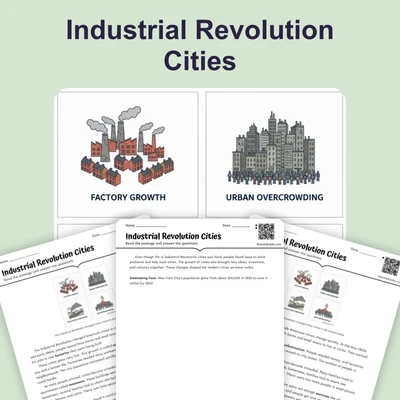
Urbanization Industrial Revolution
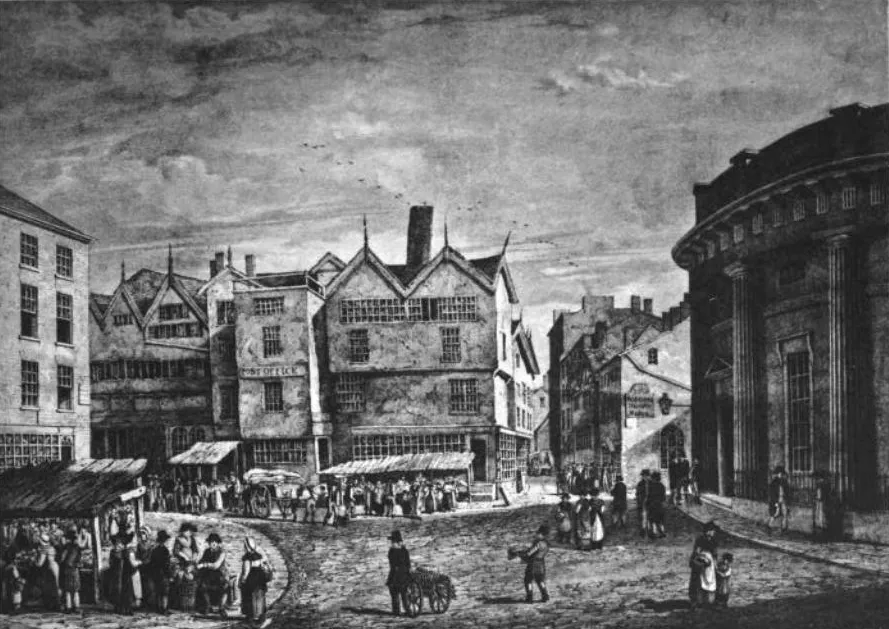
"Market Lane, Manchester (1821)" by John Ralston (1789-1833) /
Source: Wikimedia Commons
The Industrial Revolution in the 18th and 19th centuries transformed the way people lived and worked in Europe, especially in Great Britain. As new machines were invented and factories began to produce goods faster than ever before, small towns grew into large industrial cities. The growth of factory towns like Manchester and Birmingham is a key example of how technology and economic change can reshape entire societies.
Many people moved from rural villages to cities because factory jobs offered steady wages, even though the work was difficult and often dangerous. Manchester, for example, had a population of about 75,000 in 1801, but by 1851, it had grown to over 300,000 people. This dramatic increase was largely due to the rise in manufacturing and the building of cotton mills and ironworks. Birmingham also expanded rapidly, becoming known for its metalworking and engineering industries. These cities became important centers of economic activity, attracting workers from all over the country and even from abroad.
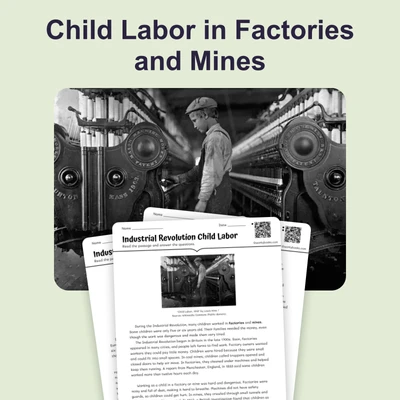
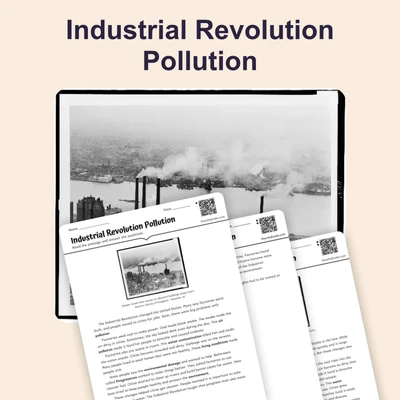
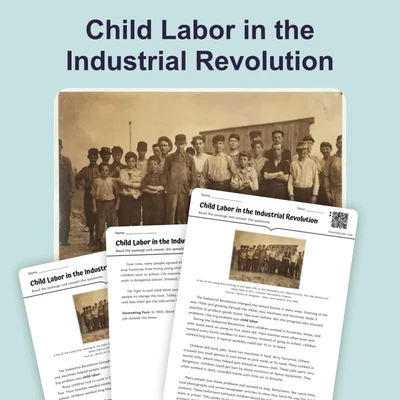
However, rapid urbanization brought many challenges. As people crowded into cities, housing became cramped and unhealthy. Many workers lived in tenements—small, poorly built apartments with little light or fresh air. Primary sources from the time, such as letters and government reports, describe the terrible conditions. For example, a British parliamentary report from 1842 described children as young as eight working in dangerous factory jobs for up to 12 hours a day. Pollution from coal-burning factories filled the air, causing health problems and turning rivers black with waste. Diseases like cholera and typhoid spread easily in these crowded neighborhoods.
The growth of factory towns also changed the social hierarchy. Factory owners and wealthy merchants formed a new middle class, while working-class families struggled to improve their living standards. Women and children often worked alongside men, earning lower wages. Over time, these difficult conditions led to calls for reform. The Factory Act of 1833, for instance, limited child labor and improved safety in factories. Meanwhile, city governments began to invest in sanitation and public health.
The rise of industrial cities like Manchester and Birmingham had a lasting impact on the world. It showed how advances in technology and transportation could bring both progress and problems. These changes set the stage for further innovations and for new debates about workers’ rights and the role of government in society. Understanding the growth of factory towns helps us see how geography, economics, and human choices interact to shape history.
Interesting Fact: By the mid-1800s, Manchester was often called "Cottonopolis" because of its many cotton mills and its global importance in the textile trade.
Comprehension quiz (8 questions)
1. Which city was called 'Cottonopolis'?
2. When did Manchester's population reach over 300,000?
3. What law limited child labor?
4. Why did people move to cities?
5. What effect did factories have on cities?
6. How did social hierarchy change?
7. Factory Act of 1833 ended child labor. True or False?
8. What does 'urbanization' mean?
Perfect for the way you teach
- Build comprehension skills
- Auto-graded quiz
- Differentiated reading
- Read together at home
- Improve fluency
- Quiet reading time
- Reading curriculum support
- Independent practice
- Track Lexile growth