Women in the Industrial Workforce — Reading Comprehension
Rate this|
1
Premium Resource
Present
Present in classroom. No work saved
Assign
Classroom with student accounts, Track progress
Quick Play
No student accounts, assign with a link
Grades
5
6
7
8
PRINT+DIGITAL RESOURCE
This learning resource is available in interactive and printable formats. The interactive worksheet can be played online and assigned to students. The Printable PDF version can be downloaded and printed for completion by hand.
This rigorous world history reading passage explores the key role women and girls played in the industrial workforce during the Industrial Revolution. Students will learn how women entered textile mills and factories, earning wages and supporting their families but facing discrimination, low pay, and dangerous conditions. The passage is aligned with CA HSS 7.11 and CCSS ELA-Literacy RH.6-8.1, and supports inquiry into social change, daily life, and industrialization. Activities include comprehension questions, writing prompts, graphic organizers, a glossary, and a timeline. The resource is designed for student engagement and skill-building, with a Spanish translation and read aloud audio for accessibility. Key vocabulary and historical examples are woven throughout to build content knowledge and support academic language development.
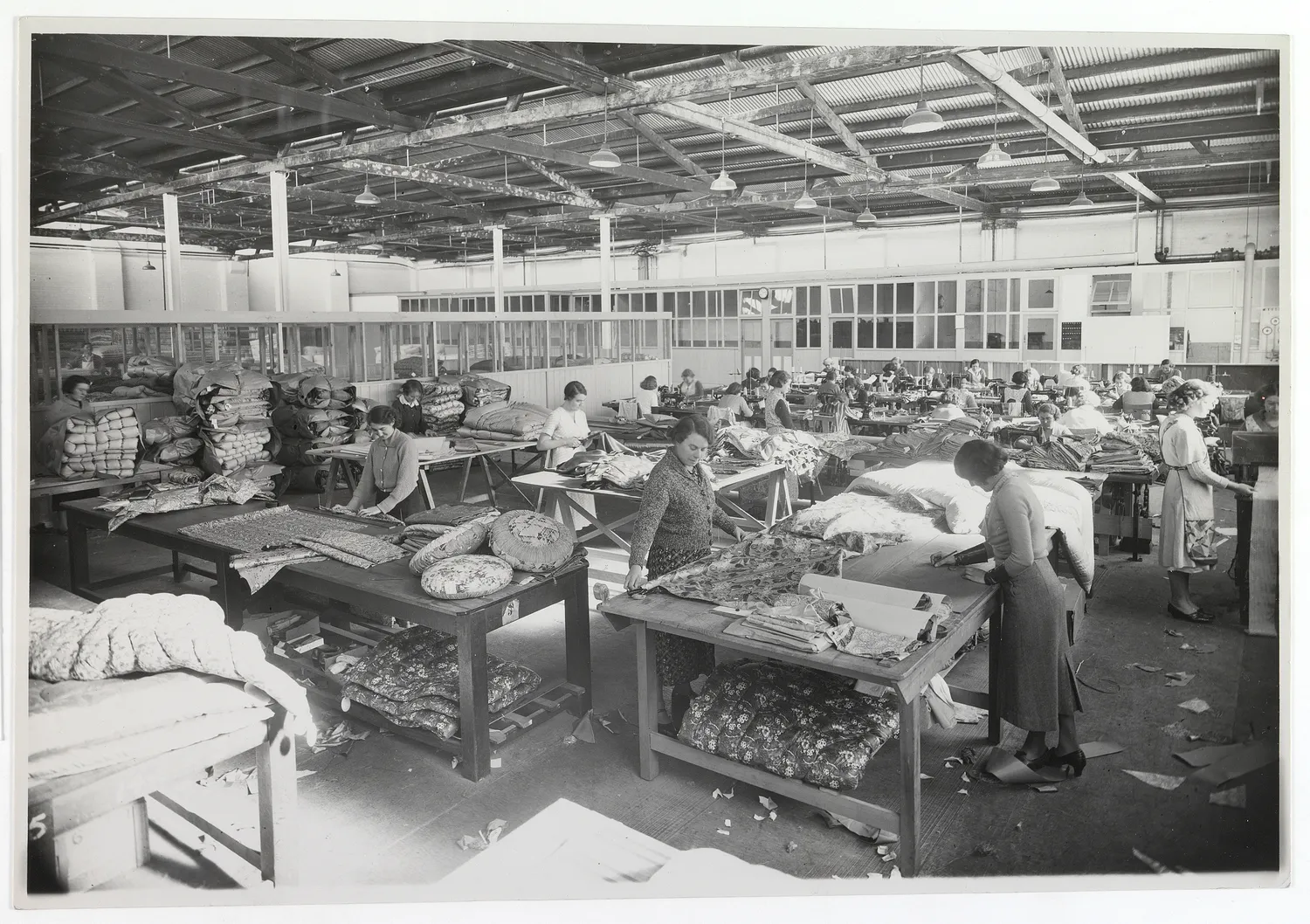
The Industrial Revolution, which began in Great Britain in the late 1700s, transformed how goods were produced and shaped societies around the world. As factories grew and machines replaced hand labor, women and girls became an essential part of the new industrial workforce. Their roles in textile mills and factories changed family life, economic structures, and social expectations.
Many women found work in textile mills, especially in places like Manchester, England, and Lowell, Massachusetts. In the early 1800s, factory owners sought female labor because women were paid lower wages than men. In Lowell, the "mill girls" were mostly young, unmarried women from rural areas. They worked long hours—usually 12 to 14 hours a day—operating spinning machines and looms. According to letters and diaries from this time, such as those by Harriet Hanson Robinson, many women valued the chance to earn their own money, though the work was difficult and often dangerous.
Factory work exposed women to new challenges. The working conditions were often harsh: loud machines, hot and dusty air, and little protection from injury or illness. Women and girls faced discrimination in pay and treatment. For example, in the 1830s, female workers in Lowell organized strikes—called "turn outs"—to protest wage cuts and long hours. Though their strikes were not always successful, they were among the first organized labor actions by women in the United States, showing a growing awareness of rights and social justice.
The industrial workforce also included children, especially girls, who worked alongside their mothers or sisters. Many families depended on these earnings to survive. However, factory owners took advantage of this need, leading to exploitation. Some reports, such as the British Parliamentary investigations of 1833, described children working up to 16 hours a day. Over time, these harsh realities led to new reforms, like the Factory Acts in Britain, which aimed to protect female and child workers by limiting hours and improving safety.
The participation of women in the industrial workforce was a turning point in world history. It challenged traditional social hierarchy by giving women greater economic independence and a public voice. Although discrimination and exploitation continued, women's experiences in factories contributed to later movements for equality and labor rights. Their work in the Industrial Revolution left a lasting impact on society and helped shape the modern world.
This topic connects to the broader themes of social change and the impact of industrialization on everyday life in world history.
Interesting Fact: The first all-female labor union in the United States, the Lowell Female Labor Reform Association, was founded in 1844 by mill workers in Massachusetts.
Where did the Industrial Revolution begin?
Great BritainUnited StatesFranceGermany
Who were the 'mill girls'?
Young women in LowellMale factory ownersFarmersFactory inspectors
In what year was the Lowell Female Labor Reform Association founded?
1844183318701800
Why did factory owners hire women?
Lower wagesMore skillsShorter hoursNo laws
What was a cause of strikes in Lowell?
Wage cutsNew machinesFree mealsLess work
What was an effect of the Factory Acts in Britain?
Limited work hoursMore child laborHigher wagesNo change
Women helped change society by gaining independence. True or false?
TrueFalse
What does 'exploitation' mean in this passage?
Unfair treatment for someone else's gainGood working conditionsWorking with familyEarning high wages
Perfect For:
👩🏫 Teachers
• Reading comprehension practice
• Auto-graded assessments
• Literacy skill development
👨👩👧👦 Parents
• Reading practice at home
• Comprehension improvement
• Educational reading time
🏠 Homeschoolers
• Reading curriculum support
• Independent reading practice
• Progress monitoring
Reading Features:
📖
Reading Passage
Engaging fiction or nonfiction text
❓
Comprehension Quiz
Auto-graded questions
📊
Instant Feedback
Immediate results and scoring
📄
Printable Version
Download for offline reading
🔊
Read Aloud
Voice-over with word highlighting
Reviews & Ratings
No reviews yet. Be the first to share your experience!
Related Content
American Industrial Revolution
This World History reading passage explores the spread of the Industrial Revolution from Britain to the United States, f...
Industrial Revolution Global Impact
This world history reading passage examines the global impact of the Industrial Revolution, focusing on how industrializ...
Capitalism Industrial Revolution
This engaging world history passage examines the rise of capitalism and its critical role in the Industrial Revolution. ...
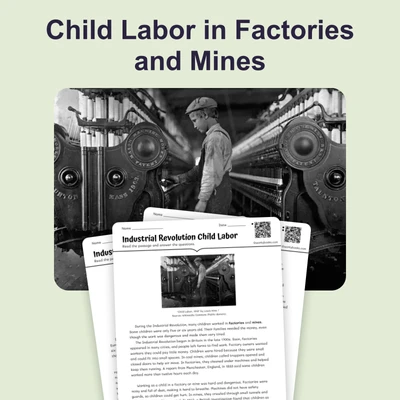
Industrial Revolution Child Labor
This rigorous world history reading passage examines the harsh reality of child labor in factories and mines during the ...
Industrial Revolution Working Conditions
This world history reading passage examines the working conditions and workers' struggles during the Industrial Revoluti...
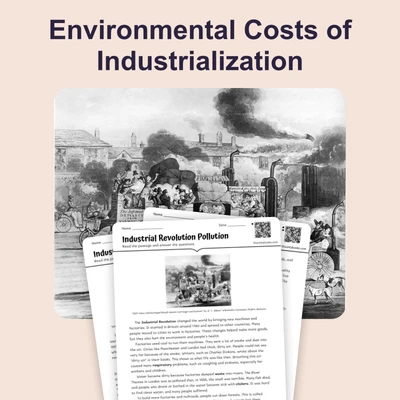
Pollution and the Industrial Revolution
This passage explores the environmental costs of industrialization during the Industrial Revolution, focusing on air and...
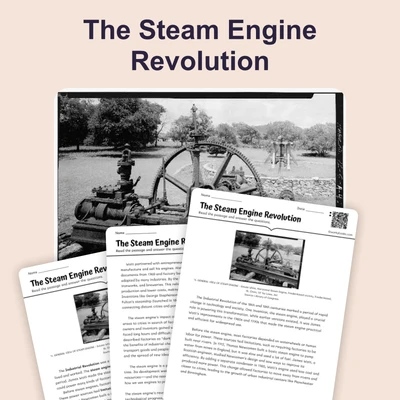
The Steam Engine Revolution
This rigorous world history passage explores the origins and impact of the steam engine during the Industrial Revolution...
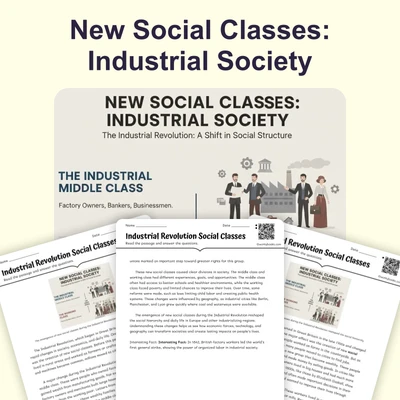
New Social Classes: Industrial Society
This reading passage examines how the Industrial Revolution led to the development of new social classes and changed the...
The Growth of Factory Towns and Industrial Cities
This history reading passage examines how the Industrial Revolution caused the rapid growth of factory towns and industr...
Steamboat Industrial Revolution
This engaging passage introduces students to the impact of steamboats during the Industrial Revolution in U.S. history. ...
D2.HIS.1.3-5D2.HIS.2.3-5RI.4.3RI.4.4
Industrial Revolution Cities
This engaging U.S. history passage explores the growth and transformation of American cities during the Industrial Revol...
D2.HIS.2.3-5D2.HIS.3.3-5RI.4.3RI.4.4
Industrial Revolution Pollution
This reading passage explores the impact of the Industrial Revolution on pollution in the United States, focusing on the...
D2.HIS.2.3-5D2.HIS.3.3-5RI.4.3RI.4.4
Industrial Revolution Benefits
This engaging reading passage explores the positive effects of the Industrial Revolution in the United States, highlight...
D2.HIS.3.3-5D2.HIS.14.3-5RI.4.3RI.4.4
Child Labor in the Industrial Revolution
This engaging history reading passage introduces students to the topic of child labor during the Industrial Revolution i...
D2.HIS.2.3-5D2.HIS.16.3-5RI.4.3RI.4.4
American Revolution Global Influence
This engaging U.S. History reading passage explores how the American Revolution influenced revolutions around the world,...
D2.HIS.2.3-5D2.HIS.3.3-5RI.4.3RI.4.4
Industrial Revolution Schools
This engaging reading passage explores how schools changed during the Industrial Revolution and Progressive Era in the U...
D2.HIS.2.3-5D2.HIS.3.3-5RI.4.3RI.4.4
The Industrial Revolution in America
This engaging history reading passage explores the Industrial Revolution in America, a time of great change and innovati...
D2.HIS.1-6.3-5RI.4.3RI.4.4
From Farms to Factories
This engaging passage, "From Farms to Factories," delves into the profound changes brought by the Industrial Revolution ...
Life During the Industrial Revolution
This engaging reading passage introduces students to life during the Industrial Revolution in the United States. It expl...