Theodore Roosevelt: Conservation and National Parks
Interactive passage with audio narration, comprehension questions, and printable PDF.
By completing this purchase you agree to our Terms of Use and Privacy Policy. Your subscription renews automatically until you cancel. You can cancel anytime from your account settings. All sales are final and non-refundable. Digital content is available for download in your account immediately upon purchase.
What's included
Part of this bundle

Theodore Roosevelt: Conservation and National Parks preview and details
About this printable Theodore Roosevelt: Conservation and National Parks reading passage (Grades 3-5)
Sample passage and quiz from Theodore Roosevelt: Conservation and National Parks
Reading passage and comprehension quiz preview
Theodore Roosevelt Conservation
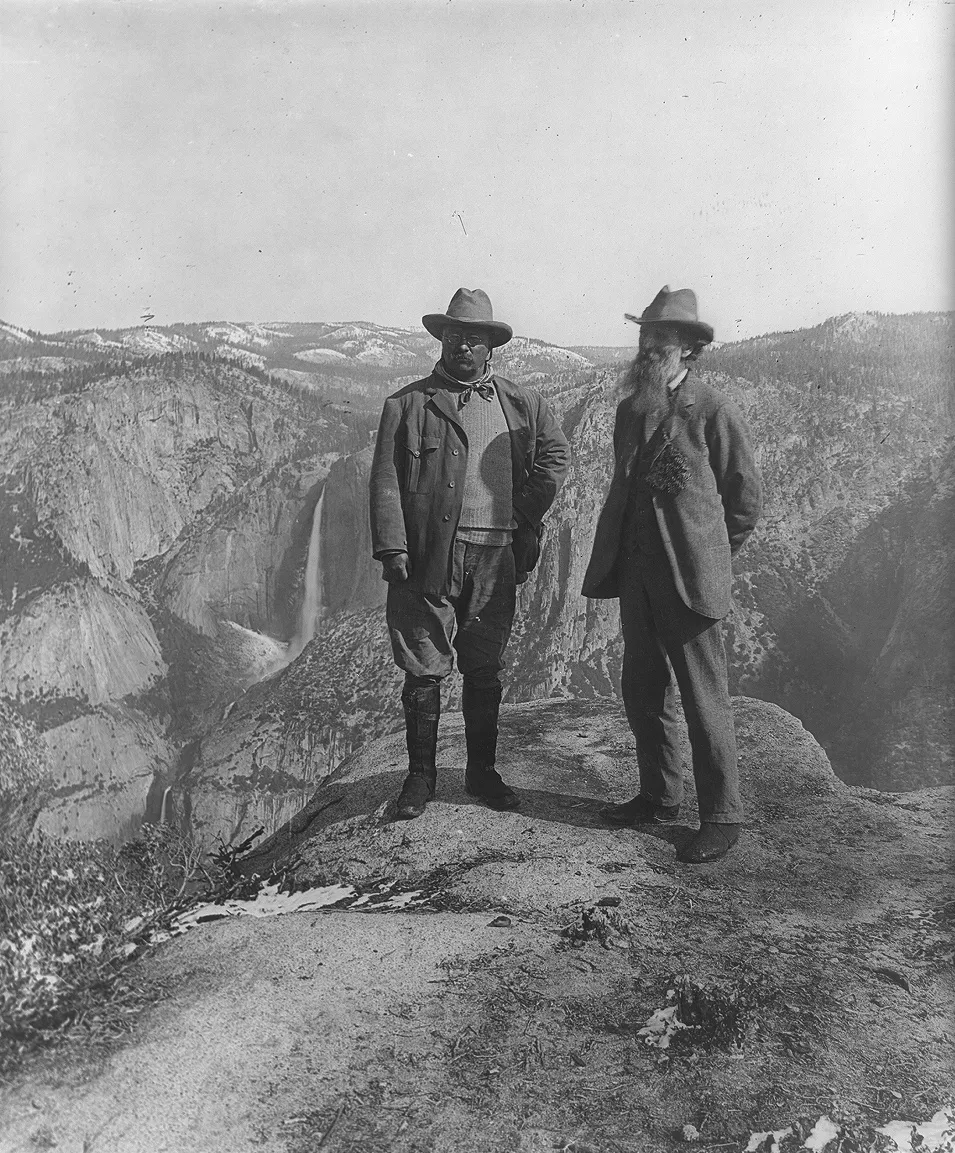
Source: Wikimedia Commons - Underwood & Underwood
Theodore Roosevelt was the 26th president of the United States from 1901 to 1909. He is remembered as the “conservation president” because he protected more wild land than any president before or since. Roosevelt believed that America’s forests, rivers, and mountains were treasures that belonged to everyone, not just a few people. He wanted to make sure that future generations could enjoy the country’s natural beauty.
During the late 1800s and early 1900s, many people were cutting down forests and using land for factories and cities. This caused problems like pollution and the loss of animal habitats. Roosevelt saw these problems and decided to take action. He believed that the government should help protect nature for all Americans. This idea was new at the time, and not everyone agreed with him.
Roosevelt worked with experts and leaders like John Muir to learn more about nature. He loved going on camping trips and exploring the outdoors. He used what he learned to make important decisions. Roosevelt created five national parks, including Crater Lake and Wind Cave. He also started 18 national monuments, like the Grand Canyon. He set aside 150 national forests and over 50 wildlife refuges. In total, he protected about 230 million acres of land.
His work made a big difference. By saving forests, Roosevelt helped keep water and air clean. By protecting animals and plants, he made sure they would not disappear forever. His actions inspired other leaders and people to care for the environment. Today, millions of people visit the parks and forests he helped save. These places are important for fun, learning, and keeping nature healthy.
Roosevelt’s conservation work showed that one person’s ideas and actions can change a whole country. He proved that protecting nature is important for everyone. Because of his leadership, America’s natural wonders are still here for us to enjoy.
Interesting Fact: Roosevelt once camped for three days with naturalist John Muir in Yosemite National Park to learn more about conservation and how to protect wild places.
Comprehension quiz (8 questions)
1. Who was called the 'conservation president'?
2. What did Roosevelt protect the most?
3. How many acres did Roosevelt protect?
4. Why did Roosevelt camp with John Muir?
5. What was one effect of conservation?
6. What is a national park?
7. Roosevelt protected over 50 wildlife refuges. True or false?
8. What does 'habitat' mean?
Common Core standards for Theodore Roosevelt: Conservation and National Parks
Refer to details and examples in a text when explaining what the text says explicitly and when drawing inferences from the text.
Determine the main idea of a text and explain how it is supported by key details; summarize the text.
Explain events, procedures, ideas, or concepts in a historical, scientific, or technical text, including what happened and why, based on specific information in the text.
Write informative/explanatory texts to examine a topic and convey ideas and information clearly.
Conduct short research projects that build knowledge through investigation of different aspects of a topic.
Perfect for the way you teach
- Build comprehension skills
- Auto-graded quiz
- Differentiated reading
- Read together at home
- Improve fluency
- Quiet reading time
- Reading curriculum support
- Independent practice
- Track Lexile growth