Treaty of Guadalupe Hidalgo 1848 — Reading Comprehension
Rate this
Premium Resource
Present
Present in classroom. No work saved
Assign
Classroom with student accounts, Track progress
Quick Play
No student accounts, assign with a link
Grades
6
7
8
Standards
D2.HIS.2.3-5
D2.HIS.3.3-5
RI.4.3
RI.4.4
W.4.2
PRINT+DIGITAL RESOURCE
This learning resource is available in interactive and printable formats. The interactive worksheet can be played online and assigned to students. The Printable PDF version can be downloaded and printed for completion by hand.
This reading passage examines the Treaty of Guadalupe Hidalgo, signed in 1848, which ended the Mexican-American War and resulted in Mexico ceding a large portion of its territory to the United States. Students will analyze the causes, motives, and consequences of the treaty from multiple perspectives, including both American and Mexican viewpoints. The text integrates primary sources and models historical reasoning, challenging students to think critically about territorial expansion, sovereignty, and national identity. Activities include a multiple-choice quiz, explanatory writing prompts, and a graphic organizer to deepen understanding. Aligned with C3 Framework and Common Core standards, this history reading passage offers read aloud audio and a Spanish translation for enhanced accessibility and engagement.
CONTENT PREVIEW
Expand content preview
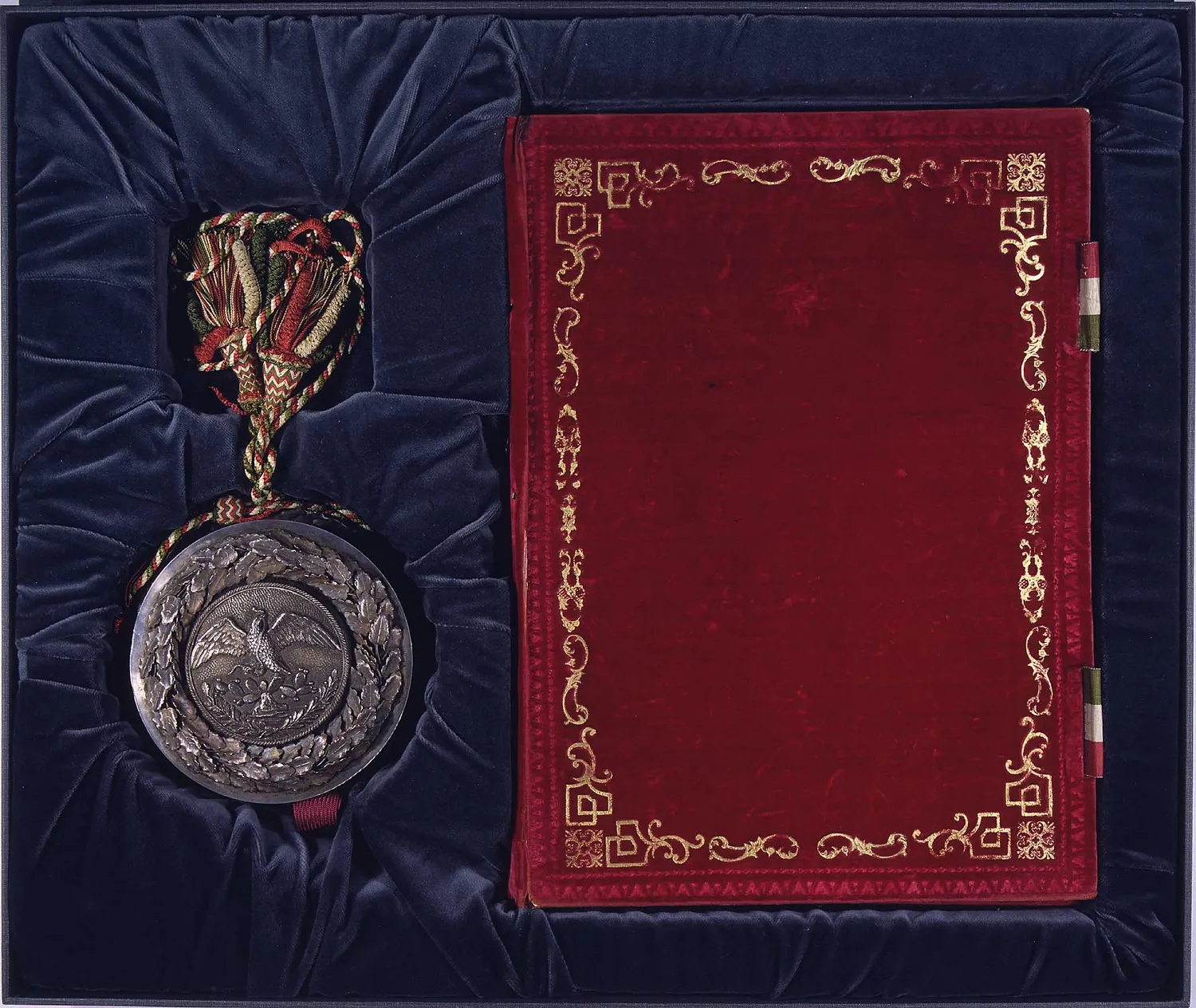
TreatyOfGuadalupeHidalgoCover.jpg Source: Wikimedia Commons - Governments of USA and Mexico
The Treaty of Guadalupe Hidalgo, signed on February 2, 1848, officially ended the Mexican-American War. This crucial agreement was negotiated between the United States and Mexico after two years of conflict. The war was sparked by disputes over the boundary between Texas and Mexico, and by the desire of the United States for westward expansion. As a result, both sides needed a solution to stop the fighting and resolve their differences.
One of the most significant outcomes of the treaty was the cession of a vast amount of land from Mexico to the United States. Mexico agreed to give up California, Nevada, Utah, and parts of what are now Arizona, New Mexico, Colorado, and Wyoming. In exchange, the United States paid Mexico $15 million and agreed to respect the property rights of Mexican citizens living in the newly acquired territories. This massive transfer of land expanded the United States by nearly one-third and helped shape its modern borders.
However, the treaty also created new challenges. People who lived in these lands faced questions about their citizenship and rights. The treaty promised that Mexicans in the ceded areas could choose to become U.S. citizens or remain Mexican citizens. It also stated that their property rights would be protected. In reality, many former Mexican citizens faced difficulties gaining full citizenship and keeping their land. The enforcement of these guarantees was uneven, leading to conflicts and legal battles that lasted for decades.
Another major impact was the change in the demographics of the region. The new territories included a mix of cultures, languages, and traditions. The United States government encouraged settlers to move west, leading to rapid population growth and new towns. However, this also led to tension and discrimination against former Mexican citizens and Indigenous peoples. The treaty’s promises were often not fully kept, and many people lost their homes and rights through complicated legal processes.
The Treaty of Guadalupe Hidalgo had a lasting effect on the development of the United States. It fulfilled the idea of "Manifest Destiny," the belief that the U.S. was meant to stretch from coast to coast. At the same time, it marked a turning point for Mexico, which lost nearly half of its territory. The treaty’s legacy can still be seen today in the people, place names, and cultural influences of the American Southwest.
Historians continue to analyze the treaty’s consequences. Some view it as a solution to a violent conflict and a step toward peace. Others see it as a cause of long-term injustice for many residents of the Southwest. The story of the Treaty of Guadalupe Hidalgo shows how complex and far-reaching the results of war and negotiation can be.
Interesting Fact: The original Treaty of Guadalupe Hidalgo was written in both English and Spanish, making it one of the first bilingual agreements in U.S. history.
When was the Treaty signed?
1848186517761821
What did Mexico give up in the treaty?
Large areas of landGold onlyShipsIndependence
How much did the U.S. pay Mexico?
$15 million$1 million$100 million$50,000
Why was the treaty important for U.S. borders?
It expanded U.S. territoryIt started a new warIt changed river namesIt gave land to Mexico
What did the treaty promise former Mexican citizens?
Citizenship choicesNo propertyNew taxesFree travel to Europe
What was a challenge after the treaty?
Property rights disputesNew gold coinsFewer settlersOcean travel
The treaty was signed in 1848. True or false?
TrueFalse
What does 'cession' mean?
Giving up landA new lawMaking peaceMoving people
Perfect For:
👩🏫 Teachers
• Reading comprehension practice
• Auto-graded assessments
• Literacy skill development
👨👩👧👦 Parents
• Reading practice at home
• Comprehension improvement
• Educational reading time
🏠 Homeschoolers
• Reading curriculum support
• Independent reading practice
• Progress monitoring
Reading Features:
📖
Reading Passage
Engaging fiction or nonfiction text
❓
Comprehension Quiz
Auto-graded questions
📊
Instant Feedback
Immediate results and scoring
📄
Printable Version
Download for offline reading
🔊
Read Aloud
Voice-over with word highlighting
Reviews & Ratings
No reviews yet. Be the first to share your experience!
Related Content
Native American Tribes Across America
This engaging history reading passage introduces students to Native American tribes across America, focusing on their da...
D2.HIS.1.3-5D2.HIS.2.3-5RI.4.1RI.4.2
Teepees: Homes on the Great Plains
This engaging history reading passage introduces students to teepees, the unique homes of Native American tribes on the ...
D2.HIS.2.3-5D2.HIS.14.3-5RI.4.1RI.4.2RI.4.4
Traditional Native American Clothing
This engaging history passage explores traditional Native American clothing and how it reflected the environment, values...
D2.HIS.2.3-5D2.HIS.3.3-5RI.4.3RI.4.4
The Iroquois Confederacy: A System of Peace
This engaging U.S. History reading passage introduces students to the Iroquois Confederacy, a powerful alliance of Nativ...
D2.HIS.2.3-5D2.HIS.3.3-5RI.4.3RI.4.4
The Cherokee Nation: History and Culture
This reading passage explores the rich history and culture of the Cherokee Nation, one of the largest Native American tr...
D2.HIS.2.3-5D2.HIS.14.3-5RI.4.3RI.4.4RI.4.10
The Sioux: Warriors and Tribal Leaders
This history reading passage explores the Sioux Nation, focusing on their roles as warriors and tribal leaders. Students...
D2.HIS.1.3-5D2.HIS.2.3-5RI.4.1RI.4.3
Native American Respect for Nature
This engaging history reading passage explores Native American respect for nature, emphasizing the close relationship be...
D2.HIS.2.3-5D2.HIS.3.3-5RI.4.3RI.4.4
Jamestown: The First Permanent English Colony
This engaging history passage explores the founding of Jamestown, the first permanent English colony in America. Aligned...
D2.HIS.1.3-5D2.HIS.2.3-5RI.4.3RI.4.4
Pocahontas and the Powhatan People
This engaging reading passage explores the life of Pocahontas and the Powhatan people and their important role in early ...
D2.HIS.1.3-5D2.HIS.2.3-5RI.4.1RI.4.3
Colonial Children: School and Chores
This reading passage explores the daily lives of colonial children, focusing on their experiences at school and their ma...
D2.HIS.2.3-5D2.HIS.3.3-5RI.4.1RI.4.2RI.4.4
Colonial Clothing and Homemade Goods
This engaging U.S. history passage explores the daily life of early American colonists with a focus on colonial clothing...
D2.HIS.2.3-5RI.4.3RI.4.4
Colonial Jobs: Blacksmiths, Bakers, and Craftsmen
This engaging history reading passage explores the vital roles of blacksmiths, bakers, and craftsmen in colonial America...
D2.HIS.2.3-5D2.HIS.3.3-5RI.4.3RI.4.4
Colonial Towns and Village Life
This engaging history reading passage explores the daily life, work, and unity found in colonial towns and villages. Ali...
D2.HIS.1.3-5D2.HIS.2.3-5RI.4.3RI.4.4
Colonial Trade with England and Africa
This history reading passage explores colonial trade between the American colonies, England, and Africa, focusing on the...
D2.HIS.2.3-5D2.HIS.14.3-5RI.4.3RI.4.4
Benjamin Franklin: Printer, Inventor, and Leader
This history reading passage explores the life and achievements of Benjamin Franklin, one of America's most important ea...
D2.HIS.2.3-5D2.HIS.3.3-5RI.4.1RI.4.3
George Washington Leads the Army
This engaging history reading passage explores how George Washington bravely led the Continental Army during the America...
D2.HIS.1.3-5D2.HIS.2.3-5RI.4.3RI.4.4
Women and Children During the Revolutionary War
This reading passage explores the important roles women and children played during the Revolutionary War. Students will ...
D2.HIS.2.3-5RI.4.3RI.5.3
African Americans Fight for Freedom
This educational passage explores the brave and inspiring story of how African Americans fought for freedom in the Unite...
D2.HIS.2.3-5D2.HIS.3.3-5RI.4.3RI.4.4
The Battle of Yorktown Ends War
This engaging U.S. history reading passage explores the Battle of Yorktown, a key event that ended the American Revoluti...
D2.HIS.1.3-5D2.HIS.2.3-5RI.4.1RI.4.3
Loyalists vs. Patriots: Divided Families
This engaging U.S. history reading passage explores the division between Loyalists and Patriots during the American Revo...