Understanding Natural Hazards
Interactive passage with audio narration, comprehension questions, and printable PDF.
By completing this purchase you agree to our Terms of Use and Privacy Policy. Your subscription renews automatically until you cancel. You can cancel anytime from your account settings. All sales are final and non-refundable. Digital content is available for download in your account immediately upon purchase.
What's included
Understanding Natural Hazards preview and details
About this printable Understanding Natural Hazards science reading passage, NGSS-aligned (Grades 5-8)
Sample passage and quiz from Understanding Natural Hazards
Reading passage and comprehension quiz preview
Understanding Natural Hazards
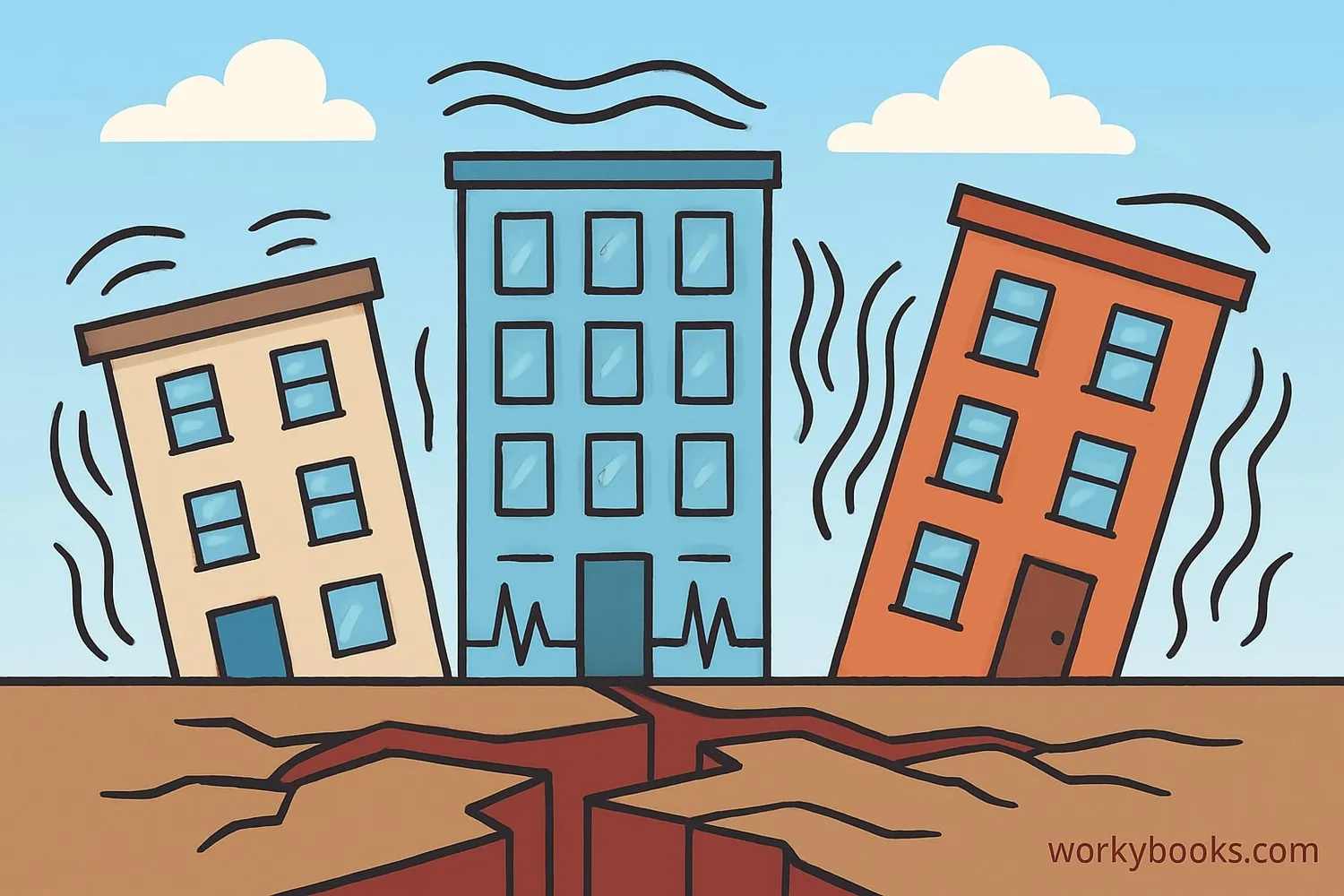
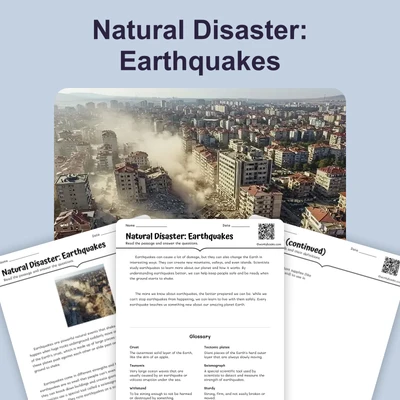
Natural hazards such as earthquakes, hurricanes, and disease outbreaks are powerful events that threaten human life and property across the globe. The impact of these hazards can be observed when a storm floods a city or when an earthquake causes buildings to collapse. Scientists study these events to understand how and why they occur, and to develop ways to reduce their effects on society. Understanding natural hazards is important because their consequences are increasing as our world changes.
What Are Natural Hazards and How Do They Become Disasters?
A natural hazard is a natural event or process that has the potential to cause harm to people, property, or activities. However, not every hazard leads to a disaster. A disaster occurs when a hazard impacts a vulnerable population, resulting in significant damage or loss. Risk is the probability of loss, and it is calculated by considering the hazard, the vulnerability of people, and their exposure to the hazard. For example, an earthquake in an unpopulated desert is less risky than the same earthquake in a crowded city. Vulnerability includes factors like building strength, emergency preparedness, and social inequality. Exposure refers to how many people and how much property are in harm’s way. Hazards become disasters when risk is high due to large, exposed, and vulnerable populations.
Types of Hazards and How They Interact
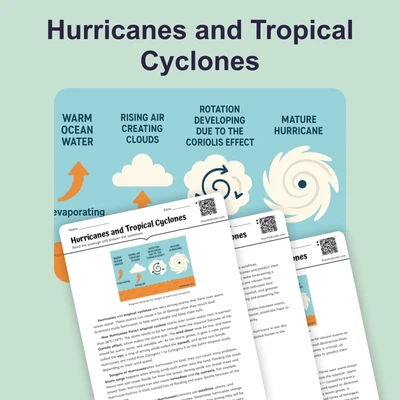
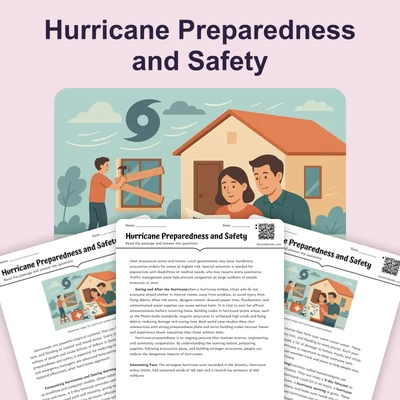
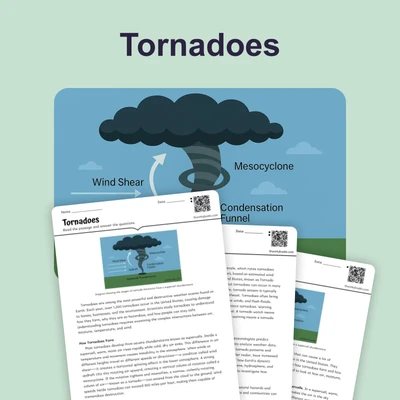
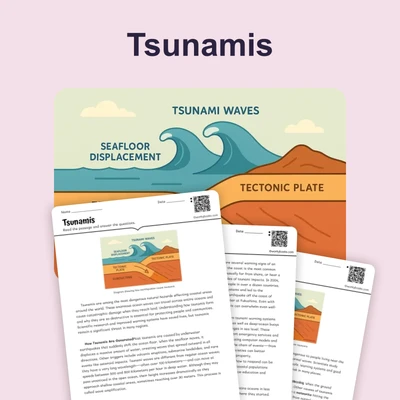
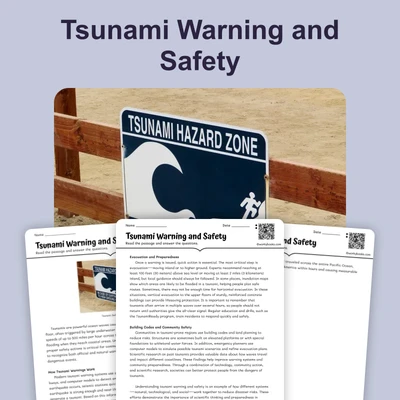
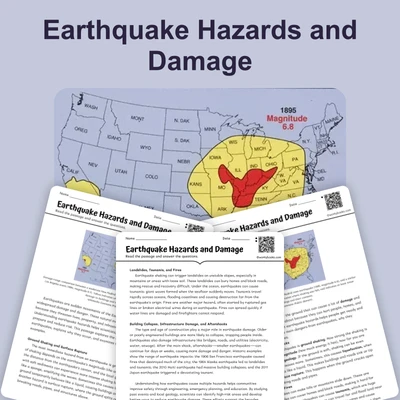
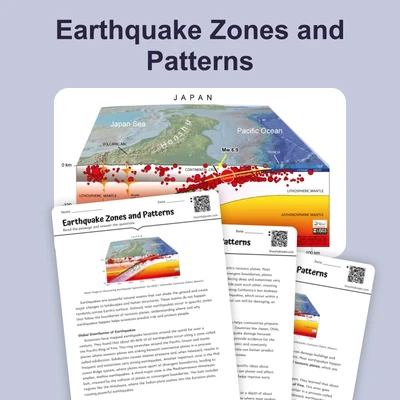
Natural hazards are often classified into several categories. Geologic hazards include earthquakes, volcanic eruptions, and landslides, all caused by processes within the Earth. Atmospheric hazards involve weather and climate, such as storms, floods, and droughts. Hydrologic hazards like floods and tsunamis are connected to water movement. Biological hazards include disease outbreaks and pest invasions. These hazards can interact: for example, an earthquake might trigger a landslide or cause a tsunami, while heavy rains (an atmospheric hazard) can lead to floods (a hydrologic hazard). Scientists use data, such as frequency, magnitude, and location, to predict and model these events.
Trends, Risk Assessment, and Human Impact
The number and impact of disasters are increasing globally. This trend is driven by population growth, urban development in hazard-prone areas, and climate change, which can increase the frequency and severity of some hazards. Risk assessment is the process of identifying, analyzing, and evaluating hazards to reduce their impact. Governments and scientists use risk assessment to design safer buildings, plan evacuations, and educate the public about preparedness. These actions can decrease vulnerability and exposure, turning potential disasters into manageable events. Scientific thinking and evidence-based decision-making help society adapt to changing risks and build resilience.
Understanding the mechanisms behind natural hazards and their interactions with human systems is crucial for protecting communities and reducing disaster impacts. The study of natural hazards connects to larger scientific principles, such as Earth’s dynamic processes, human-environment interactions, and the importance of systems thinking.
Interesting Fact:
Over 90% of all natural disaster deaths in the last 20 years occurred in developing countries, where vulnerability and exposure are highest.
Comprehension quiz (10 questions)
1. What is the main difference between a natural hazard and a disaster?
2. Which of the following is NOT a type of natural hazard described in the passage?
3. How do scientists use risk assessment to reduce disaster impacts?
4. What does 'vulnerability' mean in the context of natural hazards?
5. According to the passage, why are disaster impacts increasing worldwide?
6. What is an example of hazards interacting with each other?
7. What is the meaning of 'exposure' as used in the passage?
8. True or False: All natural hazards automatically become disasters.
9. True or False: Risk is only determined by the size of the hazard.
10. Which action can help reduce vulnerability to natural hazards?
Perfect for the way you teach
- Build comprehension skills
- Auto-graded quiz
- Differentiated reading
- Read together at home
- Improve fluency
- Quiet reading time
- Reading curriculum support
- Independent practice
- Track Lexile growth