What Causes Earthquakes?
Interactive passage with audio narration, comprehension questions, and printable PDF.
By completing this purchase you agree to our Terms of Use and Privacy Policy. Your subscription renews automatically until you cancel. You can cancel anytime from your account settings. All sales are final and non-refundable. Digital content is available for download in your account immediately upon purchase.
What's included
What Causes Earthquakes? preview and details
About this printable What Causes Earthquakes? science reading passage, NGSS-aligned (Grades 5-8)
Sample passage and quiz from What Causes Earthquakes?
Reading passage and comprehension quiz preview
What Causes Earthquakes?
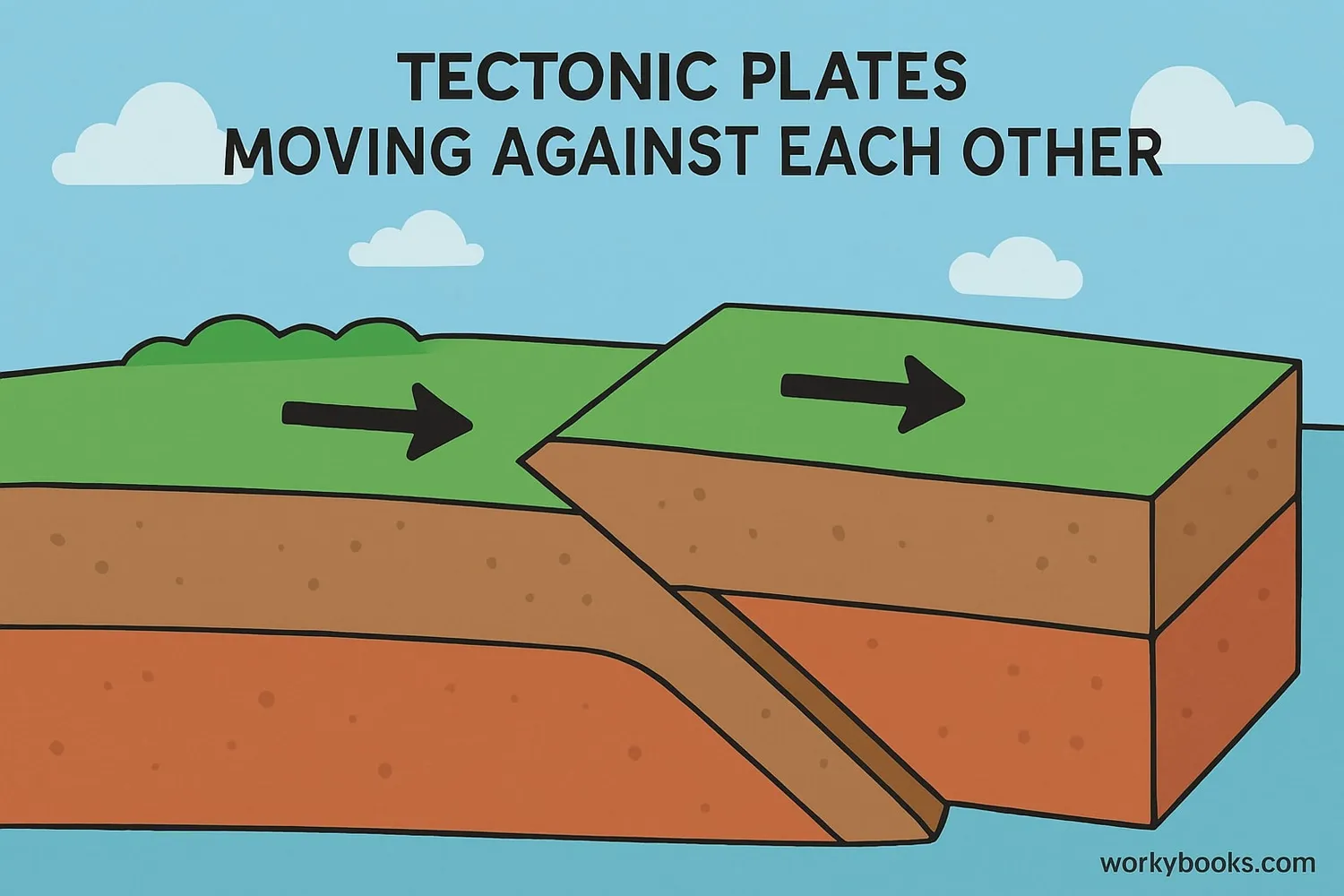
Earthquakes are powerful natural events that shake the ground, damage buildings, and change landscapes. Understanding what causes earthquakes is important for predicting their effects and protecting people. Earthquakes are not random; they are the result of complex processes deep within the Earth. Scientists study earthquakes to learn more about the planet’s inner workings and to develop safer building methods.
Earthquake Mechanics and the Elastic Rebound Theory
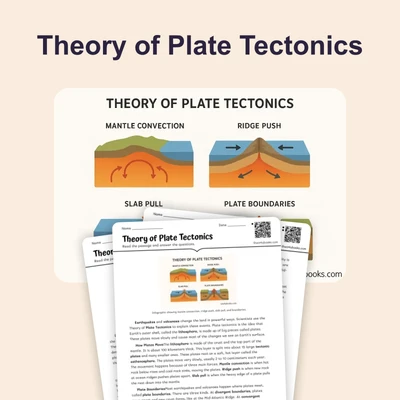
Most earthquakes happen because of the movement of tectonic plates, which are massive slabs of rock that make up the Earth’s outer shell. These plates are always moving, though usually at rates of just a few centimeters per year. As plates move, they sometimes get stuck along cracks in the Earth called faults. Over time, stress builds up because the plates cannot slide past each other smoothly. When the stress exceeds the strength of the rocks, the rocks suddenly snap back to their original shape. This sudden release of energy is described by the elastic rebound theory. The energy is released as seismic waves that travel through the ground and cause the shaking we feel during an earthquake.
Focus, Epicenter, and Plate Boundaries
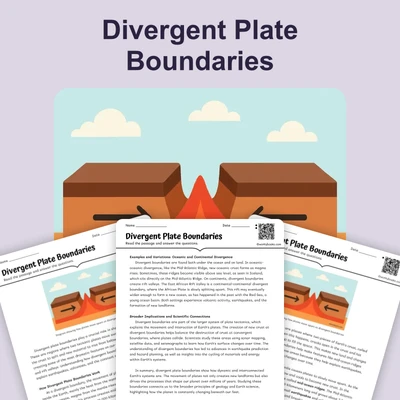
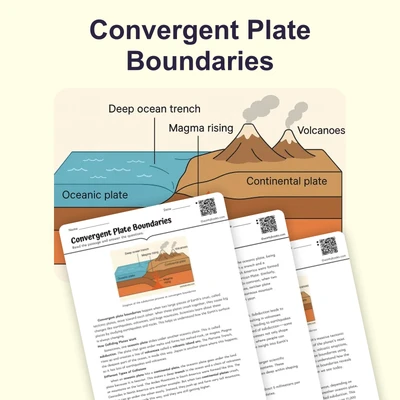
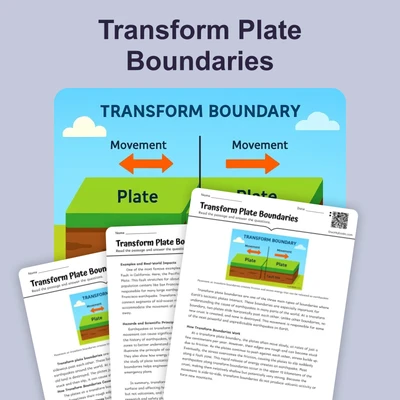
The point inside the Earth where the rock first breaks is called the focus (or hypocenter). The spot on the surface directly above the focus is known as the epicenter. Most earthquakes occur at plate boundaries—places where two plates meet. There are three main types of plate boundaries: divergent (plates move apart), convergent (plates move toward each other), and transform (plates slide past each other). Each type of boundary produces different kinds of earthquakes. For example, the San Andreas Fault in California is a well-known transform boundary where many earthquakes occur.
Earthquake Sequences and Exceptions
Earthquakes often occur in a sequence: small foreshocks may come before the main event, called the main shock, followed by aftershocks that can continue for days or weeks. While most earthquakes happen at plate boundaries, some can occur within plates if there are old faults in the crust. For example, the 1811–1812 New Madrid earthquakes in the central United States happened far from any plate boundary.
Studying patterns of earthquakes helps scientists identify high-risk areas and improve building codes. This knowledge also aids in designing early warning systems that give people a few seconds to take cover. Earthquakes demonstrate how the Earth is a dynamic system, always changing due to forces beneath the surface.
Interesting Fact: The strongest earthquake ever recorded was a magnitude 9.5 event in Chile in 1960, releasing energy equivalent to about 20,000 atomic bombs.
Comprehension quiz (10 questions)
1. What is the main cause of most earthquakes?
2. What is a fault?
3. Which term describes the point underground where an earthquake starts?
4. What is the elastic rebound theory?
5. What are seismic waves?
6. What usually happens after the main shock of an earthquake?
7. Where do most earthquakes occur?
8. Which of the following is TRUE based on the passage?
9. The epicenter of an earthquake is always underground. (True/False)
10. Foreshocks are small earthquakes that come before the main shock. (True/False)
Perfect for the way you teach
- Build comprehension skills
- Auto-graded quiz
- Differentiated reading
- Read together at home
- Improve fluency
- Quiet reading time
- Reading curriculum support
- Independent practice
- Track Lexile growth