War of 1812 Causes and Effects — Reading Comprehension
Rate this|
1
Premium Resource
Present
Present in classroom. No work saved
Assign
Classroom with student accounts, Track progress
Quick Play
No student accounts, assign with a link
Grades
6
7
8
Standards
D2.HIS.2.3-5
D2.HIS.3.3-5
RI.4.3
RI.4.4
W.4.2
PRINT+DIGITAL RESOURCE
This learning resource is available in interactive and printable formats. The interactive worksheet can be played online and assigned to students. The Printable PDF version can be downloaded and printed for completion by hand.
This comprehensive passage examines the causes and effects of the War of 1812, focusing on the complex motivations and perspectives of the United States, Great Britain, and Native American groups. Students will analyze historical evidence, including a primary source quote, and explore how issues like British impressment of sailors, trade restrictions, and territorial ambitions led to conflict. The passage also discusses the war's significant consequences, such as the Treaty of Ghent, Native American displacement, and changes in American identity. Designed for middle-grade students, this resource includes a glossary, multiple-choice quiz, writing activities, timeline, and graphic organizer. The content aligns with C3 Framework (D2.His.2.3-5) and Common Core ELA standards (RI.4.3, RI.4.4, W.4.2). The passage features read aloud audio and a Spanish translation, supporting diverse learners and fostering strong historical thinking and literacy skills.
CONTENT PREVIEW
Expand content preview
The War of 1812 was a military conflict between the United States and Great Britain
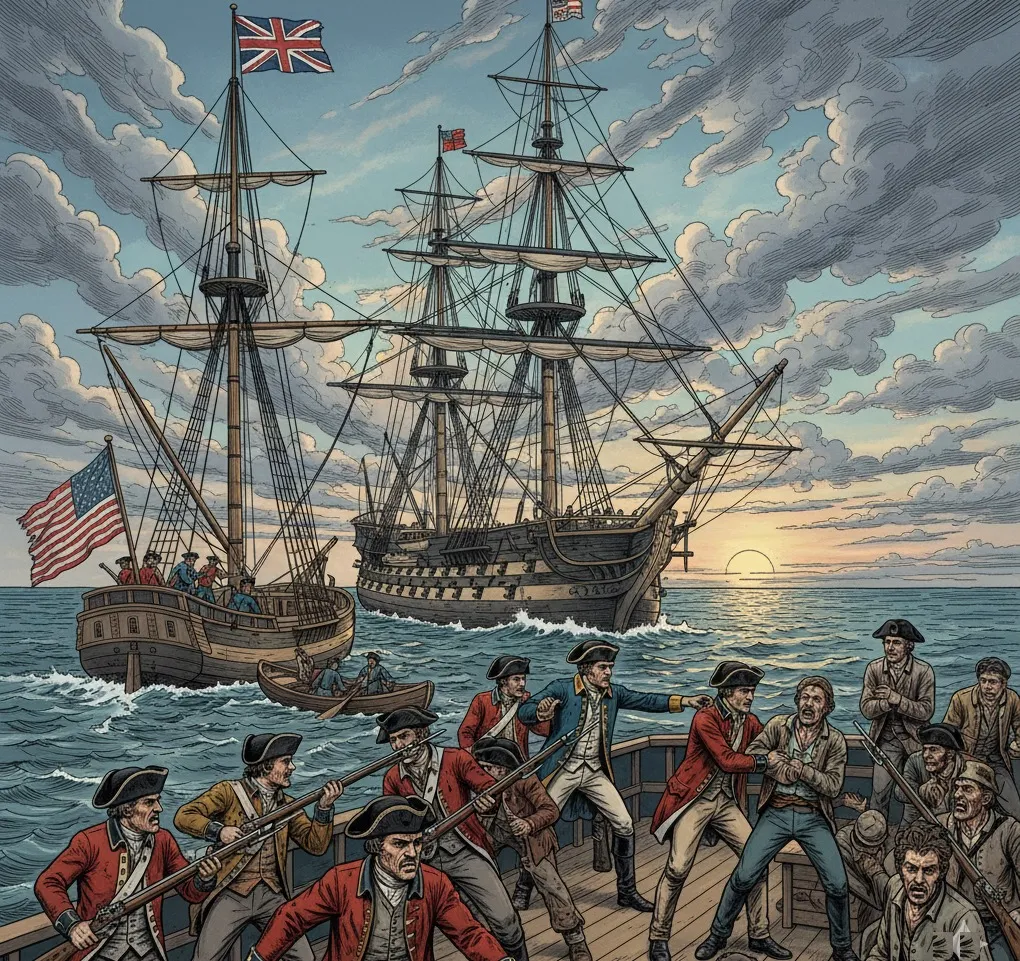
The War of 1812 was a conflict between the United States and Great Britain that began in June 1812. The main causes of this war included British interference with American shipping and trade, as well as the practice of impressment. Impressment was when British naval forces captured American sailors and forced them to serve in the British navy. Additionally, the British supported Native American groups who resisted U.S. expansion into their lands, which increased tensions on the western frontier.
These problems created serious challenges for the young American nation. The United States depended on trade for economic growth, but the British often blocked American ships from trading with France and other European countries. The British navy also seized American goods, making it difficult for U.S. merchants to conduct business. Many Americans saw these actions as violations of national sovereignty, which means the right of a nation to govern itself without outside interference. This led to increased calls for action in Congress, especially from a group known as the "War Hawks."
Another major cause of the war was British support for Native American resistance. Leaders such as Tecumseh, a Shawnee chief, united tribes in the Northwest Territory to resist U.S. settlement. The British provided weapons and encouragement to these groups, hoping to slow American expansion. The United States government saw this as a direct threat to its security and its goal of westward growth.
When war broke out in 1812, both sides expected a quick victory. However, the conflict lasted until 1815 and involved major battles on land and sea. The U.S. military faced difficulties in the early years, but notable victories such as the Battle of Lake Erie and the defense of Baltimore inspired American pride. The war was costly for Native nations, who lost territory and suffered broken alliances.
The effects of the War of 1812 were significant. One important result was a rise in nationalism, or pride in one’s country. Americans celebrated their ability to stand up to Britain, even though the war ended with no real change in territory. The United States also began to rely more on its own manufacturing industries, since trade disruptions made it difficult to import goods from Europe. This shift helped the U.S. economy grow and become less dependent on foreign products.
The war also changed relationships with Native nations and with Britain. Many Native American groups lost land and power after the war, and the United States expanded further west. Although the Treaty of Ghent officially ended the war in 1814, it did not resolve all issues, but it did mark the beginning of a more peaceful relationship between the U.S. and Britain.
In summary, the War of 1812 was caused by British actions at sea and support for Native resistance, and it resulted in increased American pride, growth in manufacturing, and important changes in international relations. The complex causes and effects of the conflict show how interconnected events shaped the future of the United States.
Interesting Fact: The famous song “The Star-Spangled Banner” was written during the War of 1812, after the Battle of Baltimore.
When did the War of 1812 begin?
June 1812April 1775May 1803December 1846
Who was Tecumseh?
A British admiralA U.S. presidentA Shawnee chiefA War Hawk
What treaty ended the war?
Treaty of ParisTreaty of GhentTreaty of VersaillesTreaty of London
Why did Americans oppose British impressment?
It raised taxesIt hurt sovereigntyIt improved tradeIt supported Native resistance
How did the war affect U.S. manufacturing?
Manufacturing decreasedIt had no effectManufacturing increasedFactories closed
What was a major effect of the war?
Fewer factoriesLost land to BritainIncreased nationalismNo change in pride
The War Hawks wanted war. True or false?
TrueFalse
What does 'sovereignty' mean?
Trading with other nationsRule by another countryRight to self-governmentMaking goods in factories
Perfect For:
👩🏫 Teachers
• Reading comprehension practice
• Auto-graded assessments
• Literacy skill development
👨👩👧👦 Parents
• Reading practice at home
• Comprehension improvement
• Educational reading time
🏠 Homeschoolers
• Reading curriculum support
• Independent reading practice
• Progress monitoring
Reading Features:
📖
Reading Passage
Engaging fiction or nonfiction text
❓
Comprehension Quiz
Auto-graded questions
📊
Instant Feedback
Immediate results and scoring
📄
Printable Version
Download for offline reading
🔊
Read Aloud
Voice-over with word highlighting
Reviews & Ratings
No reviews yet. Be the first to share your experience!
Related Content
Native American Tribes Across America
This engaging history reading passage introduces students to Native American tribes across America, focusing on their da...
D2.HIS.1.3-5D2.HIS.2.3-5RI.4.1RI.4.2
Teepees: Homes on the Great Plains
This engaging history reading passage introduces students to teepees, the unique homes of Native American tribes on the ...
D2.HIS.2.3-5D2.HIS.14.3-5RI.4.1RI.4.2RI.4.4
Traditional Native American Clothing
This engaging history passage explores traditional Native American clothing and how it reflected the environment, values...
D2.HIS.2.3-5D2.HIS.3.3-5RI.4.3RI.4.4
The Iroquois Confederacy: A System of Peace
This engaging U.S. History reading passage introduces students to the Iroquois Confederacy, a powerful alliance of Nativ...
D2.HIS.2.3-5D2.HIS.3.3-5RI.4.3RI.4.4
The Cherokee Nation: History and Culture
This reading passage explores the rich history and culture of the Cherokee Nation, one of the largest Native American tr...
D2.HIS.2.3-5D2.HIS.14.3-5RI.4.3RI.4.4RI.4.10
The Sioux: Warriors and Tribal Leaders
This history reading passage explores the Sioux Nation, focusing on their roles as warriors and tribal leaders. Students...
D2.HIS.1.3-5D2.HIS.2.3-5RI.4.1RI.4.3
Native American Respect for Nature
This engaging history reading passage explores Native American respect for nature, emphasizing the close relationship be...
D2.HIS.2.3-5D2.HIS.3.3-5RI.4.3RI.4.4
Jamestown: The First Permanent English Colony
This engaging history passage explores the founding of Jamestown, the first permanent English colony in America. Aligned...
D2.HIS.1.3-5D2.HIS.2.3-5RI.4.3RI.4.4
Pocahontas and the Powhatan People
This engaging reading passage explores the life of Pocahontas and the Powhatan people and their important role in early ...
D2.HIS.1.3-5D2.HIS.2.3-5RI.4.1RI.4.3
Colonial Children: School and Chores
This reading passage explores the daily lives of colonial children, focusing on their experiences at school and their ma...
D2.HIS.2.3-5D2.HIS.3.3-5RI.4.1RI.4.2RI.4.4
Colonial Clothing and Homemade Goods
This engaging U.S. history passage explores the daily life of early American colonists with a focus on colonial clothing...
D2.HIS.2.3-5RI.4.3RI.4.4
Colonial Jobs: Blacksmiths, Bakers, and Craftsmen
This engaging history reading passage explores the vital roles of blacksmiths, bakers, and craftsmen in colonial America...
D2.HIS.2.3-5D2.HIS.3.3-5RI.4.3RI.4.4
Colonial Towns and Village Life
This engaging history reading passage explores the daily life, work, and unity found in colonial towns and villages. Ali...
D2.HIS.1.3-5D2.HIS.2.3-5RI.4.3RI.4.4
Colonial Trade with England and Africa
This history reading passage explores colonial trade between the American colonies, England, and Africa, focusing on the...
D2.HIS.2.3-5D2.HIS.14.3-5RI.4.3RI.4.4
Benjamin Franklin: Printer, Inventor, and Leader
This history reading passage explores the life and achievements of Benjamin Franklin, one of America's most important ea...
D2.HIS.2.3-5D2.HIS.3.3-5RI.4.1RI.4.3
George Washington Leads the Army
This engaging history reading passage explores how George Washington bravely led the Continental Army during the America...
D2.HIS.1.3-5D2.HIS.2.3-5RI.4.3RI.4.4
Women and Children During the Revolutionary War
This reading passage explores the important roles women and children played during the Revolutionary War. Students will ...
D2.HIS.2.3-5RI.4.3RI.5.3
African Americans Fight for Freedom
This educational passage explores the brave and inspiring story of how African Americans fought for freedom in the Unite...
D2.HIS.2.3-5D2.HIS.3.3-5RI.4.3RI.4.4
The Battle of Yorktown Ends War
This engaging U.S. history reading passage explores the Battle of Yorktown, a key event that ended the American Revoluti...
D2.HIS.1.3-5D2.HIS.2.3-5RI.4.1RI.4.3
Loyalists vs. Patriots: Divided Families
This engaging U.S. history reading passage explores the division between Loyalists and Patriots during the American Revo...