Warm Weather and Fertile Land
Interactive passage with audio narration, comprehension questions, and printable PDF.
By completing this purchase you agree to our Terms of Use and Privacy Policy. Your subscription renews automatically until you cancel. You can cancel anytime from your account settings. All sales are final and non-refundable. Digital content is available for download in your account immediately upon purchase.
What's included
Part of this bundle

Warm Weather and Fertile Land preview and details
About this printable Warm Weather and Fertile Land reading passage (Grades 3-5)
Sample passage and quiz from Warm Weather and Fertile Land
Reading passage and comprehension quiz preview
Southern Colonies Geography
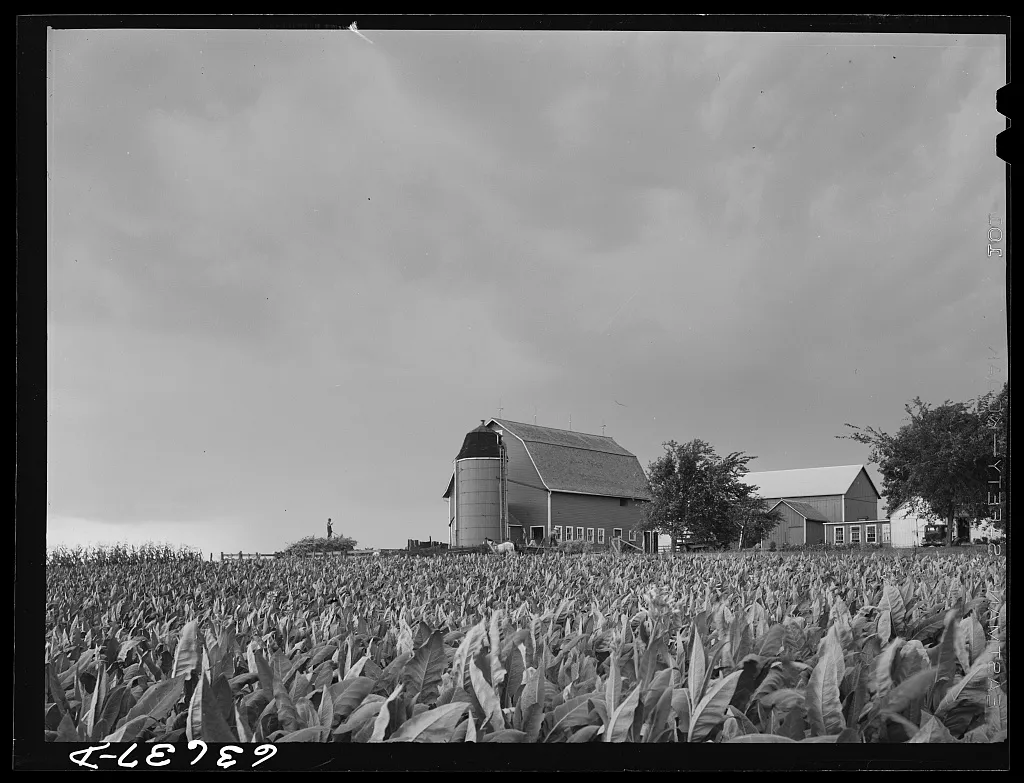
The Southern Colonies of Colonial America had a geography that shaped life for everyone living there. These colonies included Maryland, Virginia, North Carolina, South Carolina, and Georgia. Their land was different from the northern colonies. The Southern Colonies featured flat coastal plains that stretched for miles. This flat land made it easy to build farms and towns.
The soil in the South was very fertile. Fertile soil is full of nutrients that help plants grow strong and healthy. Because of this, farmers could grow many crops. The most important crops were tobacco and rice. These crops needed a lot of space and long growing seasons. The Southern Colonies provided both.
Long rivers, such as the James and the Savannah, flowed through the region. These rivers made travel and trade easier. Farmers could ship their crops down the rivers to markets in other colonies or even to Europe. Rivers also gave water to farms and people. The region's warm climate was another important feature. The South had hot summers and mild winters. This allowed crops to grow for much of the year, sometimes even year-round. In the North, winters were much colder, and the growing season was shorter.
Because of the geography, large farms called plantations became common. Plantations could grow huge amounts of tobacco and rice. These plantations often needed lots of workers to plant, care for, and harvest the crops. The geography of the South made plantation farming successful and important to the economy.
People in the Southern Colonies depended on the land. Their way of life was shaped by the flat plains, fertile soil, long rivers, and warm climate. These natural features helped the colonies grow and become wealthy. The success of crops like tobacco and rice would also shape the history of America for years to come.
Interesting Fact: The first successful tobacco crop in Virginia was grown in 1612, and it quickly became the main cash crop of the Southern Colonies.
Comprehension quiz (8 questions)
1. Which colonies were Southern Colonies?
2. What made Southern soil special?
3. Which two crops were most important?
4. What is a plantation?
5. Why were rivers important?
6. How did warm climate help farmers?
7. The Southern Colonies had flat land. True or false?
8. What does 'fertile' mean?
Common Core standards for Warm Weather and Fertile Land
Explain events, procedures, ideas, or concepts in a historical, scientific, or technical text, including what happened and why, based on specific information in the text.
Determine the meaning of general academic and domain-specific words or phrases in a text relevant to a grade 4 topic or subject area.
Write informative/explanatory texts to examine a topic and convey ideas and information clearly.
Perfect for the way you teach
- Build comprehension skills
- Auto-graded quiz
- Differentiated reading
- Read together at home
- Improve fluency
- Quiet reading time
- Reading curriculum support
- Independent practice
- Track Lexile growth