What Are Optical Telescopes
Interactive passage with audio narration, comprehension questions, and printable PDF.
By completing this purchase you agree to our Terms of Use and Privacy Policy. Your subscription renews automatically until you cancel. You can cancel anytime from your account settings. All sales are final and non-refundable. Digital content is available for download in your account immediately upon purchase.
What's included
What Are Optical Telescopes preview and details
About this printable What Are Optical Telescopes science reading passage, NGSS-aligned (Grades 5-8)
Sample passage and quiz from What Are Optical Telescopes
Reading passage and comprehension quiz preview
What Are Optical Telescopes
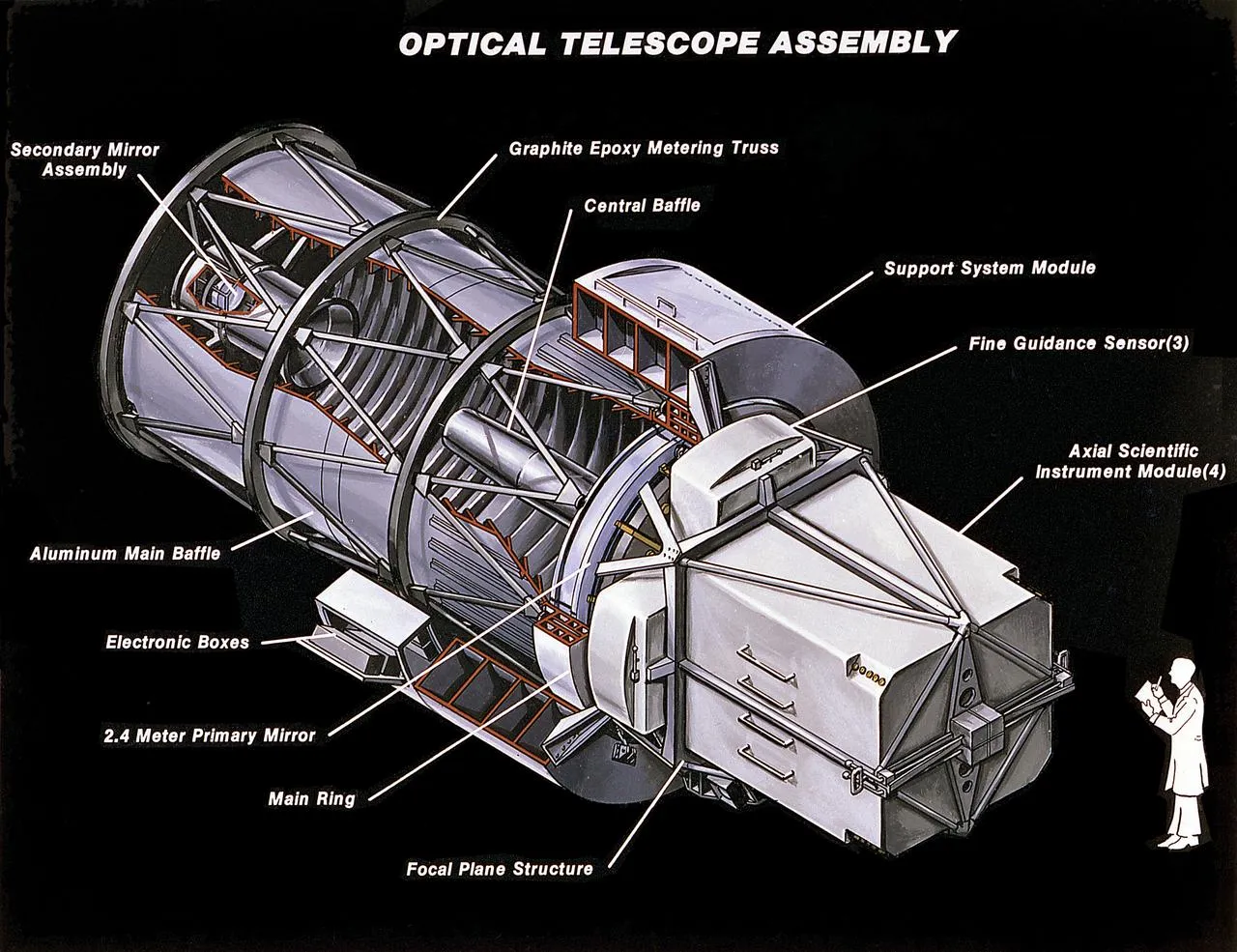
Optical telescopes are instruments that gather visible light from distant objects in space. Scientists use these tools to observe stars, planets, and galaxies. The telescopes collect light using either mirrors or lenses. This collected light creates clearer and brighter images than the human eye can see alone.
The first optical telescope was built by Galileo in 1609. His telescope used a tiny lens only a few inches across. Modern optical telescopes are much more powerful. Some have mirrors over 30 feet in diameter. Larger mirrors and lenses gather more light. More light allows scientists to see fainter and more distant objects. The light-gathering power increases as the size of the mirror or lens grows.
Two main types of optical telescopes exist. Refracting telescopes use lenses to bend light and bring it to a focus. Reflecting telescopes use curved mirrors to collect and focus light. Most large modern telescopes are reflecting telescopes. Mirrors can be made larger and lighter than lenses. They also avoid certain problems that lenses create with different colors of light.
Scientists build observatories on mountaintops for important reasons. High locations place telescopes above much of Earth's atmosphere. The atmosphere contains water vapor and dust that can blur starlight. Mountains like Mauna Kea in Hawaii rise nearly 14,000 feet above sea level. At this height, the air is thinner and steadier. Observatories are also built far from cities. Light pollution from city lights makes it hard to see faint stars. Cerro Tololo in Chile sits in a remote desert location. This placement provides dark skies perfect for collecting starlight.
Optical telescopes matter because they extend human vision into space. Evidence shows that larger telescopes reveal objects billions of light-years away. Scientists observe distant galaxies to understand how the universe formed. They study planets in other solar systems. Optical telescopes help answer fundamental questions about Earth's place in the cosmos. These instruments connect us to the wider universe.
Interesting Fact: The largest optical telescope mirrors today are made of many smaller mirror segments fitted together. The Giant Magellan Telescope, now under construction, will use seven mirrors that together act like one mirror 80 feet across.
Comprehension quiz (10 questions)
1. What do optical telescopes gather from distant objects in space?
2. How large was the lens in Galileo's first telescope?
3. What is the main advantage of larger mirrors or lenses in telescopes?
4. In the passage, what does the term 'light pollution' mean?
5. Why do scientists build observatories on mountaintops?
6. Based on the passage, why are most large modern telescopes reflecting telescopes rather than refracting telescopes?
7. How might the location of Cerro Tololo in a remote desert help astronomers?
8. If a scientist wanted to study a very faint, distant galaxy, which type of telescope would be most useful?
9. True or False: Refracting telescopes use curved mirrors to collect and focus light.
10. True or False: The atmosphere contains water vapor and dust that can blur starlight.
Perfect for the way you teach
- Build comprehension skills
- Auto-graded quiz
- Differentiated reading
- Read together at home
- Improve fluency
- Quiet reading time
- Reading curriculum support
- Independent practice
- Track Lexile growth