What Determines Star Color
Interactive passage with audio narration, comprehension questions, and printable PDF.
By completing this purchase you agree to our Terms of Use and Privacy Policy. Your subscription renews automatically until you cancel. You can cancel anytime from your account settings. All sales are final and non-refundable. Digital content is available for download in your account immediately upon purchase.
What's included
What Determines Star Color preview and details
About this printable What Determines Star Color science reading passage, NGSS-aligned (Grades 5-8)
Sample passage and quiz from What Determines Star Color
Reading passage and comprehension quiz preview
What Determines Star Color
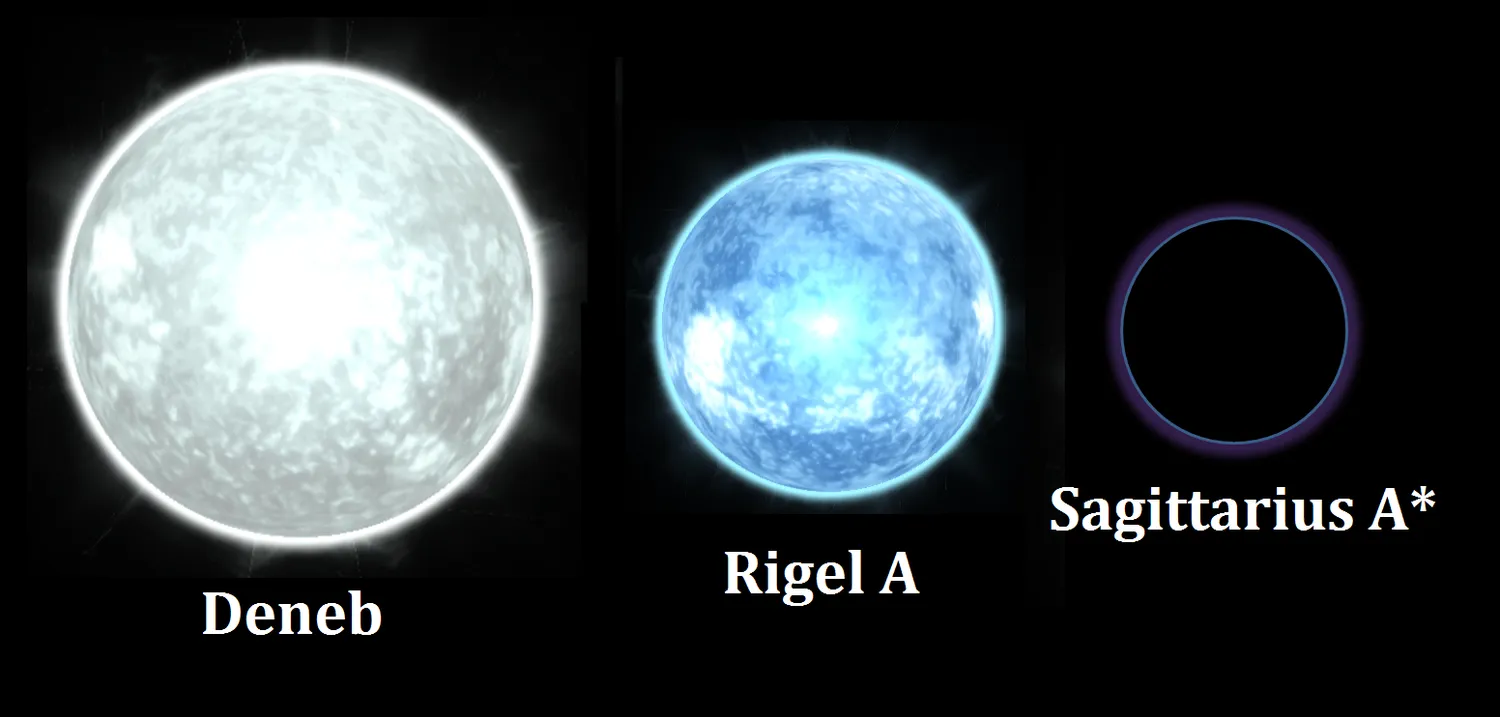
What determines the color of a star? The answer is temperature. A star's surface temperature controls the color of light it emits. Scientists explain that hotter objects give off different colors than cooler objects. This principle applies to stars throughout the universe.
Stars produce electromagnetic radiation, which includes visible light. Temperature affects the wavelength of this radiation. Cool stars have surface temperatures around 3,000 degrees Celsius. These stars emit longer wavelengths that appear red to our eyes. Medium-temperature stars like our Sun reach about 5,500 degrees Celsius. They emit shorter wavelengths that look yellow-white. Hot stars can exceed 25,000 degrees Celsius. These stars produce very short wavelengths that glow blue.
The relationship between temperature and color follows a pattern called the spectrum. Evidence shows that as temperature increases, star color shifts from red through orange and yellow to white and blue. This pattern helps astronomers classify stars. Scientists observe star colors through telescopes and instruments. They use a technique called spectroscopy to measure the exact wavelengths of light.
Real observations support these temperature measurements. The star Betelgeuse appears red in the night sky. Scientists measure its surface temperature at approximately 3,500 degrees Celsius. In contrast, the star Rigel glows blue-white. Its surface temperature reaches about 11,000 degrees Celsius. Both stars exist in the same constellation, Orion, which allows observers to compare them directly.
Understanding star color matters for several reasons. Color reveals not just temperature but also provides clues about stellar age and size. Hot blue stars tend to be young and massive. Cool red stars may be older or smaller. Astronomers can estimate how long a star has left to shine. This information helps scientists understand how stars form, change, and eventually die. Star color connects to the broader patterns of stellar evolution throughout the universe.
Interesting Fact: The hottest known stars can reach temperatures above 50,000 degrees Celsius, making them appear blue-white and shine more than one million times brighter than our Sun!
Comprehension quiz (10 questions)
1. What determines the color of a star?
2. What color do cool stars with surface temperatures around 3,000 degrees Celsius appear?
3. What is the approximate surface temperature of our Sun?
4. In the passage, what does the term 'wavelength' refer to?
5. What does 'spectroscopy' mean in the context of studying stars?
6. Based on the passage, why do astronomers study star color?
7. What can scientists infer about a hot blue star compared to a cool red star?
8. If a new star is discovered with a surface temperature of 20,000 degrees Celsius, what color would it most likely appear?
9. True or False: Betelgeuse and Rigel are both located in the constellation Orion.
10. True or False: As a star's temperature increases, its color shifts toward the red end of the spectrum.
Perfect for the way you teach
- Build comprehension skills
- Auto-graded quiz
- Differentiated reading
- Read together at home
- Improve fluency
- Quiet reading time
- Reading curriculum support
- Independent practice
- Track Lexile growth