What Is Meteorology
Interactive passage with audio narration, comprehension questions, and printable PDF.
By completing this purchase you agree to our Terms of Use and Privacy Policy. Your subscription renews automatically until you cancel. You can cancel anytime from your account settings. All sales are final and non-refundable. Digital content is available for download in your account immediately upon purchase.
What's included
What Is Meteorology preview and details
About this printable What Is Meteorology science reading passage, NGSS-aligned (Grades 6-8)
Sample passage and quiz from What Is Meteorology
Reading passage and comprehension quiz preview
What Is Meteorology
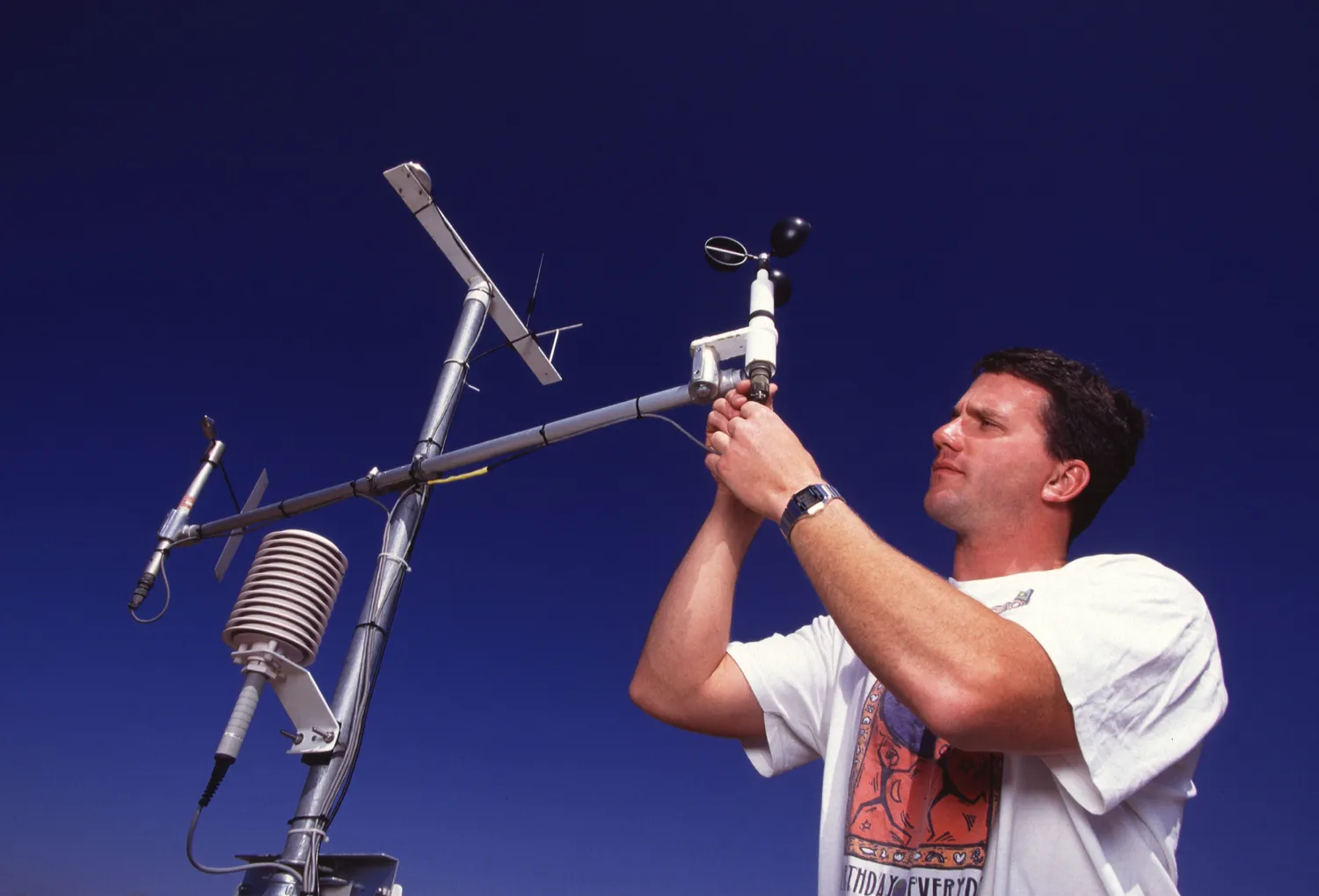
"Weather Station USDA" by USDA photo by Scott Bauer. Image Number K7688-7 / Wikimedia Commons (Public domain).
Meteorology is the scientific study of Earth's atmosphere and the processes that create weather. The atmosphere is the layer of gases surrounding our planet, and it is constantly changing. Meteorologists are scientists who observe, measure, and analyze atmospheric conditions to understand and predict weather patterns. This field of science helps us prepare for daily weather and understand long-term climate trends.
The atmosphere contains many different components that interact to create weather. Air is made up of gases like nitrogen and oxygen, but it also contains water vapor, dust particles, and other substances. Temperature, air pressure, humidity, and wind all work together to produce the weather we experience. Temperature measures how hot or cold the air is, while air pressure is the weight of air pushing down on Earth's surface. Humidity refers to the amount of water vapor in the air. When meteorologists measure these factors, they can identify patterns and make predictions about future weather conditions.
Meteorologists use many tools and instruments to collect data about the atmosphere. A thermometer measures air temperature, while a barometer measures air pressure. An anemometer measures wind speed, and a rain gauge measures precipitation. Weather balloons carry instruments high into the atmosphere to collect data at different altitudes. Satellites orbiting Earth provide images of cloud patterns and track storms from space. All of this information is collected and analyzed using computers to create weather forecasts.
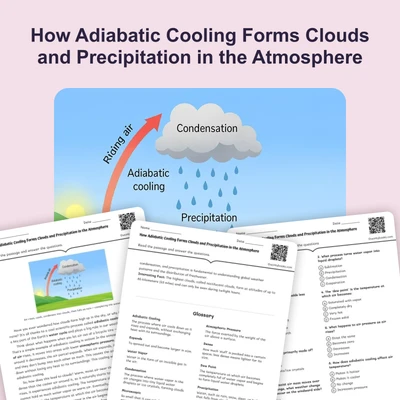
Understanding atmospheric conditions helps meteorologists predict weather patterns. Warm air is less dense than cold air, so it rises. When warm, moist air rises and cools, the water vapor condenses into clouds and may produce precipitation. Cold air sinks because it is denser. These differences in air density create wind and drive atmospheric circulation. Air moves from areas of high pressure to areas of low pressure, creating wind patterns. By tracking these movements, meteorologists can predict where storms will develop and how weather systems will move across regions.
Weather and climate are related but different concepts. Weather describes atmospheric conditions at a specific place and time, such as today's temperature or whether it will rain this afternoon. Climate describes the average weather patterns in a region over long periods, typically 30 years or more. Meteorologists study both weather and climate. Short-term weather forecasts help people plan their daily activities, while climate data helps communities prepare for seasonal changes and long-term trends.
Meteorology is essential for public safety and many industries. Accurate weather forecasts help people prepare for severe weather events like hurricanes, tornadoes, and blizzards. Farmers use weather information to decide when to plant and harvest crops. Airlines rely on meteorological data to plan safe flight routes. Emergency managers use forecasts to coordinate responses to natural disasters. The work of meteorologists affects millions of people every day by providing the information needed to make informed decisions about weather-related activities and risks.
Interesting Fact: The first weather satellite, TIROS-1, was launched in 1960 and revolutionized meteorology by providing the first television images of Earth's weather patterns from space.
Comprehension quiz (10 questions)
1. What is meteorology?
2. Which instrument is used to measure air pressure?
3. What does humidity measure?
4. Why does warm air rise?
5. What is the difference between weather and climate?
6. How do meteorologists use satellites?
7. Which of the following is an example of how meteorology helps public safety?
8. What happens when warm, moist air rises and cools?
9. True or False: Climate describes the average weather patterns in a region over 30 years or more.
10. True or False: Cold air is less dense than warm air.
Perfect for the way you teach
- Build comprehension skills
- Auto-graded quiz
- Differentiated reading
- Read together at home
- Improve fluency
- Quiet reading time
- Reading curriculum support
- Independent practice
- Track Lexile growth