This learning resource is available in interactive and printable formats. The interactive worksheet can be played online and assigned to students. The Printable PDF version can be downloaded and printed for completion by hand.
This passage explores the Whiskey Rebellion and the challenges faced by the new United States government in enforcing federal authority. Students will analyze the causes, multiple perspectives, and consequences of the 1790s uprising against a federal tax on whiskey. The reading models the use of historical evidence, integrates a primary source quote, and includes key academic vocabulary highlighted for student learning. Activities include a timeline, multiple-choice quiz, writing prompts, and a graphic organizer. This resource aligns with D2.His.2.3-5, D2.His.3.3-5, RI.4.3, RI.4.4, and W.4.2 standards. It is designed for rigorous historical analysis and ELA skill-building, featuring read aloud audio and a Spanish translation for accessibility.
CONTENT PREVIEW
Expand content preview
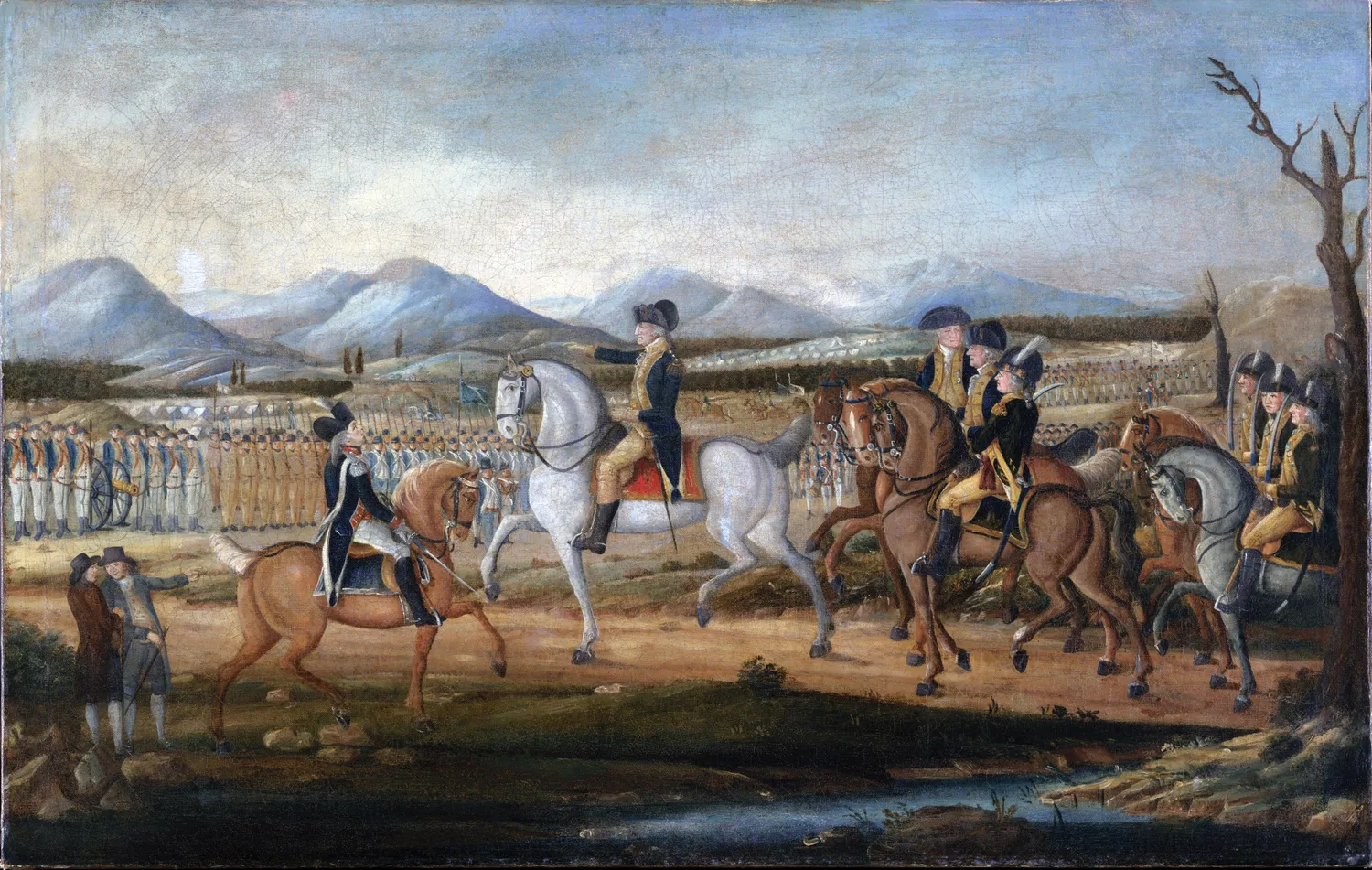
WhiskeyRebellion.jpg Source: Wikimedia Commons - Attributed to Frederick Kemmelmeyer
The Whiskey Rebellion of 1794 was a major challenge to the authority of the new United States government. After the American Revolution, the government needed money to pay its debts. In 1791, Congress passed an excise tax on whiskey. This tax was meant to raise funds, but it angered many farmers in western Pennsylvania. For these farmers, whiskey was not just a drink—it was a valuable product they made from surplus grain and used as currency to trade for goods they needed. The tax put a serious burden on their livelihoods.
Many farmers believed the tax was unfair and targeted small producers instead of wealthy citizens in the East. They argued that the government was not listening to their concerns and that only the powerful had a voice. As a result, protests against the tax grew. Some farmers refused to pay, while others intimidated tax collectors and destroyed property. The situation in western Pennsylvania became increasingly tense and dangerous, threatening the stability of the young nation.
The government, led by President George Washington, viewed these actions as a direct challenge to its authority. Washington believed that if the government did not enforce its laws—including the unpopular tax—it would appear weak and unable to govern. With advice from his cabinet, including Alexander Hamilton, Washington decided to take strong action. In 1794, he called up a militia force of nearly 13,000 soldiers from several states. This was the first time under the new Constitution that the federal government used military force to ensure enforcement of its laws.
When the troops marched into western Pennsylvania, the rebellion quickly lost strength. Most of the protest leaders fled or were arrested. The government's show of force succeeded in ending the open resistance without major bloodshed. However, the underlying problems—like feelings of unfairness and regional tension—remained. The government later pardoned most of the rebels, showing a balance between strict enforcement and mercy.
The significance of the Whiskey Rebellion was lasting. It proved that the new federal government had the power and will to enforce its laws, even in the face of protest. At the same time, it showed the need for better ways to address citizens’ grievances and involve all regions in the political process. The event set a precedent for how the United States would handle internal challenges and established the idea of federal sovereignty over the states. It also led to growing political debates between those who supported a strong central government and those who wanted more power for the states.
Interesting Fact: President Washington is the only sitting president in U.S. history to personally lead troops in the field, riding at the head of the militia during the Whiskey Rebellion.
What was taxed in 1791?
WhiskeyTobaccoTeaCorn
Who led the militia in 1794?
George WashingtonThomas JeffersonAlexander HamiltonBenjamin Franklin
Where did the rebellion take place?
Western PennsylvaniaBostonNew YorkVirginia
Why did farmers protest the tax?
It hurt their livelihoodIt was on teaThey hated all taxesThey wanted more soldiers
What did Washington’s response show?
Federal power to enforce lawsWeak governmentNo need for taxesEnd of all protests
What is the meaning of 'excise tax'?
Tax on goods made or soldTax on landTax on imports onlyTax on voting
True or false: The rebellion ended in violence.
TrueFalse
Which word means 'power to make decisions'?
AuthorityRebellionProtestSovereignty
Perfect For:
👩🏫 Teachers
• Reading comprehension practice
• Auto-graded assessments
• Literacy skill development
👨👩👧👦 Parents
• Reading practice at home
• Comprehension improvement
• Educational reading time
🏠 Homeschoolers
• Reading curriculum support
• Independent reading practice
• Progress monitoring
Reading Features:
📖
Reading Passage
Engaging fiction or nonfiction text
❓
Comprehension Quiz
Auto-graded questions
📊
Instant Feedback
Immediate results and scoring
📄
Printable Version
Download for offline reading
🔊
Read Aloud
Voice-over with word highlighting
Reviews & Ratings
No reviews yet. Be the first to share your experience!
Related Content
Native American Tribes Across America
This engaging history reading passage introduces students to Native American tribes across America, focusing on their da...
D2.HIS.1.3-5D2.HIS.2.3-5RI.4.1RI.4.2
Teepees: Homes on the Great Plains
This engaging history reading passage introduces students to teepees, the unique homes of Native American tribes on the ...
D2.HIS.2.3-5D2.HIS.14.3-5RI.4.1RI.4.2RI.4.4
Traditional Native American Clothing
This engaging history passage explores traditional Native American clothing and how it reflected the environment, values...
D2.HIS.2.3-5D2.HIS.3.3-5RI.4.3RI.4.4
The Iroquois Confederacy: A System of Peace
This engaging U.S. History reading passage introduces students to the Iroquois Confederacy, a powerful alliance of Nativ...
D2.HIS.2.3-5D2.HIS.3.3-5RI.4.3RI.4.4
The Cherokee Nation: History and Culture
This reading passage explores the rich history and culture of the Cherokee Nation, one of the largest Native American tr...
D2.HIS.2.3-5D2.HIS.14.3-5RI.4.3RI.4.4RI.4.10
The Sioux: Warriors and Tribal Leaders
This history reading passage explores the Sioux Nation, focusing on their roles as warriors and tribal leaders. Students...
D2.HIS.1.3-5D2.HIS.2.3-5RI.4.1RI.4.3
Native American Respect for Nature
This engaging history reading passage explores Native American respect for nature, emphasizing the close relationship be...
D2.HIS.2.3-5D2.HIS.3.3-5RI.4.3RI.4.4
Jamestown: The First Permanent English Colony
This engaging history passage explores the founding of Jamestown, the first permanent English colony in America. Aligned...
D2.HIS.1.3-5D2.HIS.2.3-5RI.4.3RI.4.4
Pocahontas and the Powhatan People
This engaging reading passage explores the life of Pocahontas and the Powhatan people and their important role in early ...
D2.HIS.1.3-5D2.HIS.2.3-5RI.4.1RI.4.3
Colonial Children: School and Chores
This reading passage explores the daily lives of colonial children, focusing on their experiences at school and their ma...
D2.HIS.2.3-5D2.HIS.3.3-5RI.4.1RI.4.2RI.4.4
Colonial Clothing and Homemade Goods
This engaging U.S. history passage explores the daily life of early American colonists with a focus on colonial clothing...
D2.HIS.2.3-5RI.4.3RI.4.4
Colonial Jobs: Blacksmiths, Bakers, and Craftsmen
This engaging history reading passage explores the vital roles of blacksmiths, bakers, and craftsmen in colonial America...
D2.HIS.2.3-5D2.HIS.3.3-5RI.4.3RI.4.4
Colonial Towns and Village Life
This engaging history reading passage explores the daily life, work, and unity found in colonial towns and villages. Ali...
D2.HIS.1.3-5D2.HIS.2.3-5RI.4.3RI.4.4
Colonial Trade with England and Africa
This history reading passage explores colonial trade between the American colonies, England, and Africa, focusing on the...
D2.HIS.2.3-5D2.HIS.14.3-5RI.4.3RI.4.4
Benjamin Franklin: Printer, Inventor, and Leader
This history reading passage explores the life and achievements of Benjamin Franklin, one of America's most important ea...
D2.HIS.2.3-5D2.HIS.3.3-5RI.4.1RI.4.3
George Washington Leads the Army
This engaging history reading passage explores how George Washington bravely led the Continental Army during the America...
D2.HIS.1.3-5D2.HIS.2.3-5RI.4.3RI.4.4
Women and Children During the Revolutionary War
This reading passage explores the important roles women and children played during the Revolutionary War. Students will ...
D2.HIS.2.3-5RI.4.3RI.5.3
African Americans Fight for Freedom
This educational passage explores the brave and inspiring story of how African Americans fought for freedom in the Unite...
D2.HIS.2.3-5D2.HIS.3.3-5RI.4.3RI.4.4
The Battle of Yorktown Ends War
This engaging U.S. history reading passage explores the Battle of Yorktown, a key event that ended the American Revoluti...
D2.HIS.1.3-5D2.HIS.2.3-5RI.4.1RI.4.3
Loyalists vs. Patriots: Divided Families
This engaging U.S. history reading passage explores the division between Loyalists and Patriots during the American Revo...