Air Pollution from Burning Fuels โ Reading Comprehension
Rate this
Premium Resource
Present
Present in classroom. No work saved
Assign
Classroom with student accounts, Track progress
Quick Play
No student accounts, assign with a link
Grades
3
4
5
Standards
NGSS 4-ESS3-1
PRINT+DIGITAL RESOURCE
This learning resource is available in interactive and printable formats. The interactive worksheet can be played online and assigned to students. The Printable PDF version can be downloaded and printed for completion by hand.
This comprehensive science passage on air pollution is designed for Grade 4-5 students and aligns with NGSS 4-ESS3-1 standards. Students learn how burning fossil fuels releases harmful pollutants into the air, including gases and tiny particles that affect human health and the environment. The passage explains the connection between air pollution and breathing problems, acid rain, and damage to plants, animals, and buildings. Students explore visible signs of air pollution like smog over cities and hazy skies. The content includes audio-integrated reading passages in both English and Spanish, a simplified differentiated version for diverse learners, interactive multiple-choice questions testing recall and comprehension, writing activities that encourage critical thinking, and graphic organizers to help students visualize cause-and-effect relationships. Keywords include air pollution, pollutants, burning fuels, smog, breathing problems, fossil fuels, and acid rain. This engaging educational resource helps students understand environmental impacts and human effects on Earth's systems.
CONTENT PREVIEW
Expand content preview
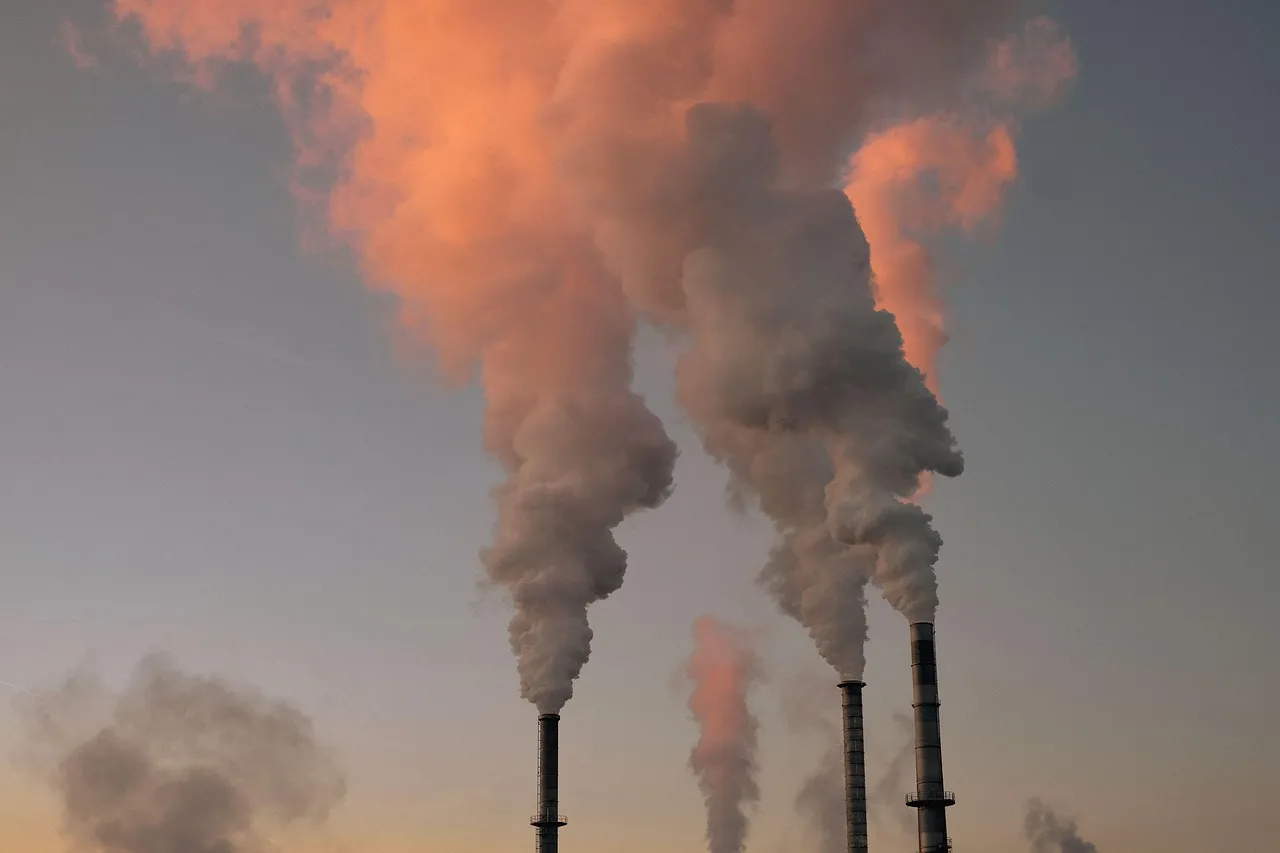
Understanding air pollution is important because it affects the health of every living thing on Earth and can damage our environment. Image credit shogun / Pixabay.
Fossil fuels are materials like coal, oil, and natural gas that come from deep underground. People burn these fuels to make energy for electricity, heat homes, and power cars and trucks. When fossil fuels burn, they release smoke and gases into the air. This makes the air dirty and unhealthy to breathe.
You can see air pollution in many places. Car exhaust is the smoke and gases that come out of car tailpipes. When many cars drive on busy roads, their exhaust mixes together and creates a cloud of pollution. Factory smoke comes from tall chimneys at places where products are made. Factories often burn coal or oil, which sends dark smoke into the sky.
Air pollution contains harmful gases that can hurt living things. When people breathe polluted air, it can make their lungs hurt and cause them to cough. Some people, especially children and elderly people, may have trouble breathing. Plants can also be damaged by air pollution. Their leaves may turn brown or fall off. Animals that live near polluted areas may get sick too.
The more fossil fuels we burn, the more pollution goes into the air. This is why scientists and communities work together to find cleaner ways to make energy and reduce the amount of smoke and harmful gases released into our air.
What are fossil fuels?
Materials from deep undergroundTypes of plants and treesClean energy sourcesRocks on Earth's surface
Where does car exhaust come from?
Car windowsCar tailpipesCar doorsCar tires
What happens when people breathe polluted air?
They become strongerNothing happens to themTheir lungs hurt and they coughThey run faster
Why do factories create smoke?
They burn coal or oilThey use only clean energyThey don't make any productsThey pump water into air
How does air pollution affect plants?
Makes them grow taller quicklyHelps them produce more flowersDamages leaves and makes them fallChanges their color to bright green
What are scientists trying to find?
More fossil fuels to burnCleaner ways to make energyWays to make more pollutionNew types of harmful gases
Burning more fossil fuels creates less pollution.
TrueFalse
What does pollution mean in this passage?
Clean air and waterHarmful materials making things dirtyEnergy from the sunFresh oxygen for breathing
Perfect For:
๐ฉโ๐ซ Teachers
โข Reading comprehension practice
โข Auto-graded assessments
โข Literacy skill development
๐จโ๐ฉโ๐งโ๐ฆ Parents
โข Reading practice at home
โข Comprehension improvement
โข Educational reading time
๐ Homeschoolers
โข Reading curriculum support
โข Independent reading practice
โข Progress monitoring
Reading Features:
๐
Reading Passage
Engaging fiction or nonfiction text
โ
Comprehension Quiz
Auto-graded questions
๐
Instant Feedback
Immediate results and scoring
๐
Printable Version
Download for offline reading
๐
Read Aloud
Voice-over with word highlighting
Reviews & Ratings
No reviews yet. Be the first to share your experience!
Related Content
How Hydropower Works
This engaging 250-word science passage explains how hydropower works for Grade 4-5 students. Aligned with NGSS 4-ESS3-1,...
NGSS 4-ESS3-1
Reducing Air Pollution
This engaging 250-word science passage introduces Grade 4-5 students to the technology used to reduce air pollution from...
NGSS 4-ESS3-1
How We Can Use Less Energy
This engaging 250-word science passage for Grade 4-5 students explores how people can reduce the environmental impact of...
NGSS 4-ESS3-1
How Mining Affects the Land
This comprehensive 250-word reading passage helps Grade 4-5 students understand the environmental impacts of mining oper...
NGSS 4-ESS3-1
How Solar Energy Works
This engaging 250-word science passage explains how solar energy works for Grade 4-5 students. The reading explores how ...
NGSS 4-ESS3-1
Energy Sources in Nature
This engaging 250-word science passage for Grade 4-5 students explores Energy Sources in Nature, aligned with NGSS stand...
NGSS 4-ESS3-1
What Is Fuel
This engaging 250-word science passage introduces Grade 4-5 students to the concept of fuel as any material that stores ...
NGSS 4-ESS3-1
Renewable vs Nonrenewable
This comprehensive 250-word passage helps Grade 4-5 students understand the critical difference between renewable and no...
NGSS 4-ESS3-1
How We Use Coal for Energy
This comprehensive 250-word reading passage introduces fourth-grade students to coal as an energy resource, aligned with...
NGSS 4-ESS3-1
Biomass Energy
This engaging Grade 4-5 science passage explains biomass energy and how it works as a renewable energy source. Students ...
NGSS 4-ESS3-1
How Wind Energy Works
This 250-word reading passage introduces fourth-grade students to wind energy and how it works, aligned with NGSS standa...
NGSS 4-ESS3-1
How We Use Oil for Energy
This 250-word reading passage aligns with NGSS standard 4-ESS3-1 and introduces fourth-grade students to oil as a vital ...
NGSS 4-ESS3-1
How We Use Natural Gas for Energy
This 250-word reading passage introduces fourth-grade students to natural gas as an important energy resource. Aligned w...
NGSS 4-ESS3-1
How Are Fossil Fuels Formed
This 250-word reading passage introduces fourth-grade students to the formation of fossil fuels, aligned with NGSS stand...
NGSS 4-ESS3-1
Where Do We Find Fossil Fuels
This Grade 4 Earth Science reading passage aligns with NGSS standard 4-ESS3-1 and introduces students to the locations a...
NGSS 4-ESS3-1
Why Fossil Fuels Run Out
This 250-word reading passage introduces fourth-grade students to the concept of nonrenewable energy resources, specific...
NGSS 4-ESS3-1
Benefits of Renewable Energy
This 250-word reading passage introduces fourth-grade students to the benefits of renewable energy sources aligned with ...
NGSS 4-ESS3-1
Challenges of Renewable Energy
This 250-word reading passage introduces fourth-grade students to the challenges of renewable energy sources, aligned wi...
NGSS 4-ESS3-1
How Energy Use Affects the Environment
This 250-word informational reading passage aligns with NGSS standard 4-ESS3-1 and introduces fourth-grade students to t...