This learning resource is available in interactive and printable formats. The interactive worksheet can be played online and assigned to students. The Printable PDF version can be downloaded and printed for completion by hand.
This engaging 250-word science passage introduces Grade 4-5 students to the concept of fuel as any material that stores energy and can be burned or used to release that energy for human use. Aligned with NGSS 4-ESS3-1, the passage explores how different fuels contain different amounts of stored energy and are used for various purposes. Students discover concrete examples including gasoline powering cars, wood burning in fireplaces, and natural gas heating homes. The content uses age-appropriate language and familiar examples to help students understand energy storage and release. Audio-integrated features support diverse learners by providing read-aloud options. The passage includes bolded vocabulary terms like fuel, stored energy, burning, and releasing energy, all defined in context. Supplementary activities include a multiple-choice quiz testing recall and comprehension, writing activities that encourage application of concepts, and graphic organizers for comparing different fuel types. A simplified differentiated version ensures accessibility for all learners, while Spanish translations support bilingual education. This comprehensive resource helps students understand the fundamental role of fuels in everyday life and connects to broader concepts about energy resources and human use of natural materials.
CONTENT PREVIEW
Expand content preview
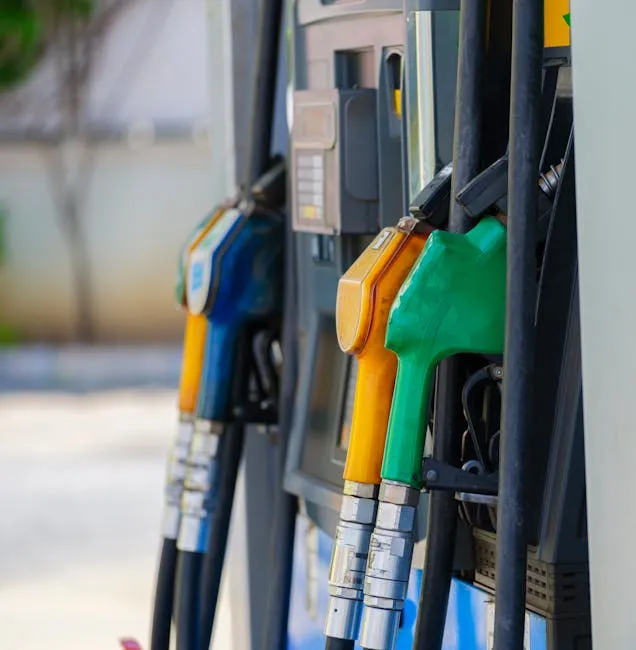
"Close-up of vibrant fuel nozzles at a gasoline station showcasing diesel, gas, and petrol options." Image Credit Engin Akyurt / Pexels.
A fuel is any material that can be burned to produce energy. The energy helps us do many things we need every day. When we burn fuel, the stored energy inside it gets released as heat and light.
There are many different types of fuels. Wood is a fuel that people have used for thousands of years. When you burn wood in a fireplace or campfire, you can feel the heat it produces. Coal is another fuel that comes from plants that died millions of years ago and were pressed underground. Coal is burned in power plants to make electricity for our homes and schools.
Oil and natural gas are fuels that also formed underground from ancient plants and animals. Oil can be turned into gasoline, which powers most cars and trucks. Natural gas is often used to heat homes and cook food. Think of fuel like a battery—it stores energy until we need to use it.
All fuels have something in common: they store energy that gets released when they burn. This energy can warm our homes, power vehicles, and generate electricity. However, burning fuels also creates smoke and gases that go into the air. Understanding what fuel is helps us make smart choices about how we use energy every day.
What is a fuel?
Material burned to produce energyA type of plantA kind of electricityWater that flows underground
Where does coal come from?
From trees in forestsFrom ancient plants pressed undergroundFrom ocean waterFrom rocks in mountains
What fuel powers most cars?
WoodCoalGasoline made from oilNatural gas
Why do we use fuel?
To make plants grow fasterTo release stored energyTo create more fuelTo clean the air
What happens when fuel burns?
It stores more energyIt turns into waterIt releases heat and lightIt becomes electricity directly
How is fuel like a battery?
Both are made of metalBoth store energy until neededBoth come from undergroundBoth last forever
All fuels store energy inside them.
TrueFalse
What does 'energy' mean?
A type of fuelPower to do workSmoke from burningA kind of gas
Perfect For:
👩🏫 Teachers
• Reading comprehension practice
• Auto-graded assessments
• Literacy skill development
👨👩👧👦 Parents
• Reading practice at home
• Comprehension improvement
• Educational reading time
🏠 Homeschoolers
• Reading curriculum support
• Independent reading practice
• Progress monitoring
Reading Features:
📖
Reading Passage
Engaging fiction or nonfiction text
❓
Comprehension Quiz
Auto-graded questions
📊
Instant Feedback
Immediate results and scoring
📄
Printable Version
Download for offline reading
🔊
Read Aloud
Voice-over with word highlighting
Reviews & Ratings
No reviews yet. Be the first to share your experience!
Related Content
How Hydropower Works
This engaging 250-word science passage explains how hydropower works for Grade 4-5 students. Aligned with NGSS 4-ESS3-1,...
NGSS 4-ESS3-1
Reducing Air Pollution
This engaging 250-word science passage introduces Grade 4-5 students to the technology used to reduce air pollution from...
NGSS 4-ESS3-1
How We Can Use Less Energy
This engaging 250-word science passage for Grade 4-5 students explores how people can reduce the environmental impact of...
NGSS 4-ESS3-1
How Mining Affects the Land
This comprehensive 250-word reading passage helps Grade 4-5 students understand the environmental impacts of mining oper...
NGSS 4-ESS3-1
Air Pollution from Burning Fuels
This comprehensive science passage on air pollution is designed for Grade 4-5 students and aligns with NGSS 4-ESS3-1 sta...
NGSS 4-ESS3-1
How Solar Energy Works
This engaging 250-word science passage explains how solar energy works for Grade 4-5 students. The reading explores how ...
NGSS 4-ESS3-1
Energy Sources in Nature
This engaging 250-word science passage for Grade 4-5 students explores Energy Sources in Nature, aligned with NGSS stand...
NGSS 4-ESS3-1
Renewable vs Nonrenewable
This comprehensive 250-word passage helps Grade 4-5 students understand the critical difference between renewable and no...
NGSS 4-ESS3-1
How We Use Coal for Energy
This comprehensive 250-word reading passage introduces fourth-grade students to coal as an energy resource, aligned with...
NGSS 4-ESS3-1
Biomass Energy
This engaging Grade 4-5 science passage explains biomass energy and how it works as a renewable energy source. Students ...
NGSS 4-ESS3-1
How Wind Energy Works
This 250-word reading passage introduces fourth-grade students to wind energy and how it works, aligned with NGSS standa...
NGSS 4-ESS3-1
How We Use Oil for Energy
This 250-word reading passage aligns with NGSS standard 4-ESS3-1 and introduces fourth-grade students to oil as a vital ...
NGSS 4-ESS3-1
How We Use Natural Gas for Energy
This 250-word reading passage introduces fourth-grade students to natural gas as an important energy resource. Aligned w...
NGSS 4-ESS3-1
How Are Fossil Fuels Formed
This 250-word reading passage introduces fourth-grade students to the formation of fossil fuels, aligned with NGSS stand...
NGSS 4-ESS3-1
Where Do We Find Fossil Fuels
This Grade 4 Earth Science reading passage aligns with NGSS standard 4-ESS3-1 and introduces students to the locations a...
NGSS 4-ESS3-1
Why Fossil Fuels Run Out
This 250-word reading passage introduces fourth-grade students to the concept of nonrenewable energy resources, specific...
NGSS 4-ESS3-1
Benefits of Renewable Energy
This 250-word reading passage introduces fourth-grade students to the benefits of renewable energy sources aligned with ...
NGSS 4-ESS3-1
Challenges of Renewable Energy
This 250-word reading passage introduces fourth-grade students to the challenges of renewable energy sources, aligned wi...
NGSS 4-ESS3-1
How Energy Use Affects the Environment
This 250-word informational reading passage aligns with NGSS standard 4-ESS3-1 and introduces fourth-grade students to t...