How We Can Use Less Energy โ Reading Comprehension
Rate this
Premium Resource
Present
Present in classroom. No work saved
Assign
Classroom with student accounts, Track progress
Quick Play
No student accounts, assign with a link
Grades
3
4
5
Standards
NGSS 4-ESS3-1
PRINT+DIGITAL RESOURCE
This learning resource is available in interactive and printable formats. The interactive worksheet can be played online and assigned to students. The Printable PDF version can be downloaded and printed for completion by hand.
This engaging 250-word science passage for Grade 4-5 students explores how people can reduce the environmental impact of energy use through conservation and cleaner energy choices. Students learn about energy conservation, renewable energy sources, and energy efficiency while discovering practical actions they can take daily. The passage explains how using less energy, driving less, and supporting renewable energy all help protect the environment. Real-world examples include turning off lights, walking instead of driving, and choosing energy-efficient products. Aligned with NGSS 4-ESS3-1, this audio-integrated passage helps students understand their role in reducing energy impacts. The content includes vocabulary development with bolded key terms, comprehension questions, writing activities, and graphic organizers. Students explore cause-and-effect relationships between energy choices and environmental outcomes. The passage connects scientific concepts to everyday actions, empowering students to make environmentally responsible decisions. Audio integration supports diverse learners and enhances engagement. Activities include multiple-choice questions testing recall and application, short-answer writing prompts, and organizers comparing energy sources and analyzing cause-effect relationships. Spanish translations provide accessibility for bilingual learners. This comprehensive resource builds environmental literacy and scientific understanding.
CONTENT PREVIEW
Expand content preview
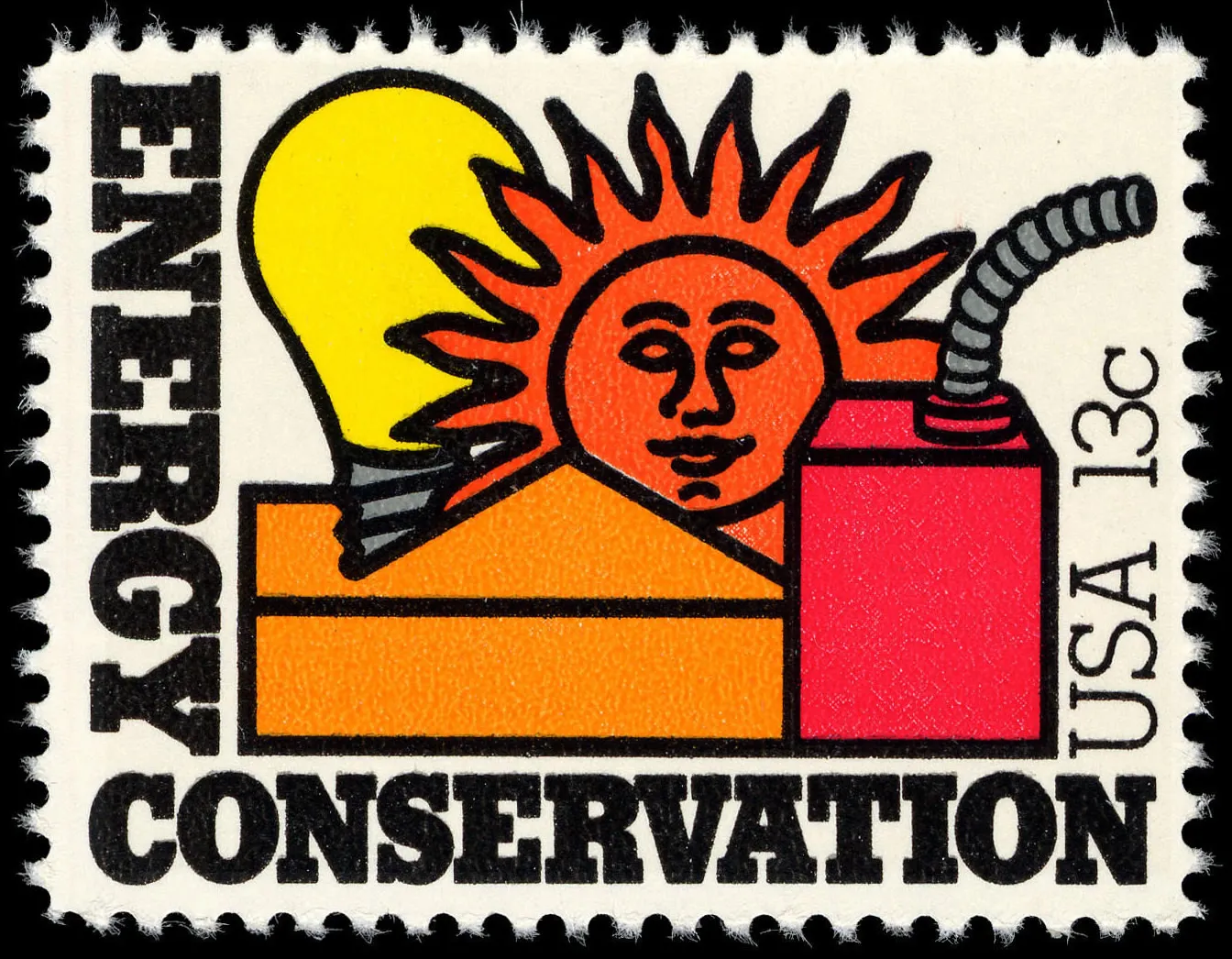
"Energy Conservation 13c 1977 issue U.S. stamp" by Bureau of Engraving and Printing. Designed by Terrance McCaffrey. / Wikimedia Commons
Energy is the power we use to make things work, like lights, cars, and heaters. We get most of our energy by burning fuel like coal, oil, and natural gas. When we use less energy, we help save these fuels for the future and keep our air cleaner.
There are many simple ways to conserve energy, which means to use less of it. At home, you can turn off lights when you leave a room. This saves electricity because the light bulb doesn't need power when no one is there. You can also unplug chargers and devices when you're not using them, because they still use small amounts of energy even when turned off.
Transportation uses a lot of energy too. Walking or riding a bike instead of riding in a car saves fuel. If you must ride in a car, carpooling with friends means fewer cars on the road using gas. Taking shorter showers or using less hot water also helps because heating water requires a lot of energy.
One person saving energy might not seem like much, but when many people make small changes, it adds up to big savings. If everyone in your school turned off just one light they weren't using, imagine how much energy you would save together! These small actions help protect our planet's resources, which are the materials and fuels we need to live. By conserving energy today, we make sure there will be enough for everyone in the future.
What is energy?
Power we use to make things workA type of food we eatWater from the oceanA kind of plant
Where do we get most energy?
From the sun onlyBy burning fuels like coal and oilFrom wind onlyFrom plants only
What does conserve mean?
To use more of somethingTo throw things awayTo use less and save itTo buy new things
Why should you turn off lights?
To make the room darkerTo save electricity when not neededBecause lights are too brightTo make the light last longer
How does walking instead of driving help?
It makes you tiredIt takes more timeIt saves fuel and energyIt costs more money
Why does using hot water use energy?
Water is expensiveHeating water requires a lot of energyHot water is dirtyHot water freezes faster
Small actions by many people add up.
TrueFalse
What are resources?
Games we play at schoolMaterials and fuels we need to liveBooks in the libraryTools for building houses
Perfect For:
๐ฉโ๐ซ Teachers
โข Reading comprehension practice
โข Auto-graded assessments
โข Literacy skill development
๐จโ๐ฉโ๐งโ๐ฆ Parents
โข Reading practice at home
โข Comprehension improvement
โข Educational reading time
๐ Homeschoolers
โข Reading curriculum support
โข Independent reading practice
โข Progress monitoring
Reading Features:
๐
Reading Passage
Engaging fiction or nonfiction text
โ
Comprehension Quiz
Auto-graded questions
๐
Instant Feedback
Immediate results and scoring
๐
Printable Version
Download for offline reading
๐
Read Aloud
Voice-over with word highlighting
Reviews & Ratings
No reviews yet. Be the first to share your experience!
Related Content
How Hydropower Works
This engaging 250-word science passage explains how hydropower works for Grade 4-5 students. Aligned with NGSS 4-ESS3-1,...
NGSS 4-ESS3-1
Reducing Air Pollution
This engaging 250-word science passage introduces Grade 4-5 students to the technology used to reduce air pollution from...
NGSS 4-ESS3-1
How Mining Affects the Land
This comprehensive 250-word reading passage helps Grade 4-5 students understand the environmental impacts of mining oper...
NGSS 4-ESS3-1
Air Pollution from Burning Fuels
This comprehensive science passage on air pollution is designed for Grade 4-5 students and aligns with NGSS 4-ESS3-1 sta...
NGSS 4-ESS3-1
How Solar Energy Works
This engaging 250-word science passage explains how solar energy works for Grade 4-5 students. The reading explores how ...
NGSS 4-ESS3-1
Energy Sources in Nature
This engaging 250-word science passage for Grade 4-5 students explores Energy Sources in Nature, aligned with NGSS stand...
NGSS 4-ESS3-1
What Is Fuel
This engaging 250-word science passage introduces Grade 4-5 students to the concept of fuel as any material that stores ...
NGSS 4-ESS3-1
Renewable vs Nonrenewable
This comprehensive 250-word passage helps Grade 4-5 students understand the critical difference between renewable and no...
NGSS 4-ESS3-1
How We Use Coal for Energy
This comprehensive 250-word reading passage introduces fourth-grade students to coal as an energy resource, aligned with...
NGSS 4-ESS3-1
Biomass Energy
This engaging Grade 4-5 science passage explains biomass energy and how it works as a renewable energy source. Students ...
NGSS 4-ESS3-1
How Wind Energy Works
This 250-word reading passage introduces fourth-grade students to wind energy and how it works, aligned with NGSS standa...
NGSS 4-ESS3-1
How We Use Oil for Energy
This 250-word reading passage aligns with NGSS standard 4-ESS3-1 and introduces fourth-grade students to oil as a vital ...
NGSS 4-ESS3-1
How We Use Natural Gas for Energy
This 250-word reading passage introduces fourth-grade students to natural gas as an important energy resource. Aligned w...
NGSS 4-ESS3-1
How Are Fossil Fuels Formed
This 250-word reading passage introduces fourth-grade students to the formation of fossil fuels, aligned with NGSS stand...
NGSS 4-ESS3-1
Where Do We Find Fossil Fuels
This Grade 4 Earth Science reading passage aligns with NGSS standard 4-ESS3-1 and introduces students to the locations a...
NGSS 4-ESS3-1
Why Fossil Fuels Run Out
This 250-word reading passage introduces fourth-grade students to the concept of nonrenewable energy resources, specific...
NGSS 4-ESS3-1
Benefits of Renewable Energy
This 250-word reading passage introduces fourth-grade students to the benefits of renewable energy sources aligned with ...
NGSS 4-ESS3-1
Challenges of Renewable Energy
This 250-word reading passage introduces fourth-grade students to the challenges of renewable energy sources, aligned wi...
NGSS 4-ESS3-1
How Energy Use Affects the Environment
This 250-word informational reading passage aligns with NGSS standard 4-ESS3-1 and introduces fourth-grade students to t...