This learning resource is available in interactive and printable formats. The interactive worksheet can be played online and assigned to students. The Printable PDF version can be downloaded and printed for completion by hand.
This engaging 250-word science passage explains how solar energy works for Grade 4-5 students. The reading explores how the Sun provides abundant energy to Earth and how solar panels convert sunlight directly into electricity. Students learn that the Sun delivers more energy to Earth in one hour than all humans use in a year, making it an incredibly abundant resource. The passage connects scientific concepts to real-world applications, such as solar panels on rooftops powering homes and schools. Aligned with NGSS 4-ESS3-1 standards, this passage includes audio integration for enhanced accessibility, a simplified differentiated version, Spanish translations, vocabulary glossary, multiple-choice comprehension questions, writing activities, and graphic organizers. Students explore key concepts including solar energy, photovoltaic cells, renewable energy, and electricity generation. The content uses age-appropriate language and concrete examples to help students understand how technology harnesses the Sun's power to meet human energy needs while reducing reliance on fossil fuels.
CONTENT PREVIEW
Expand content preview
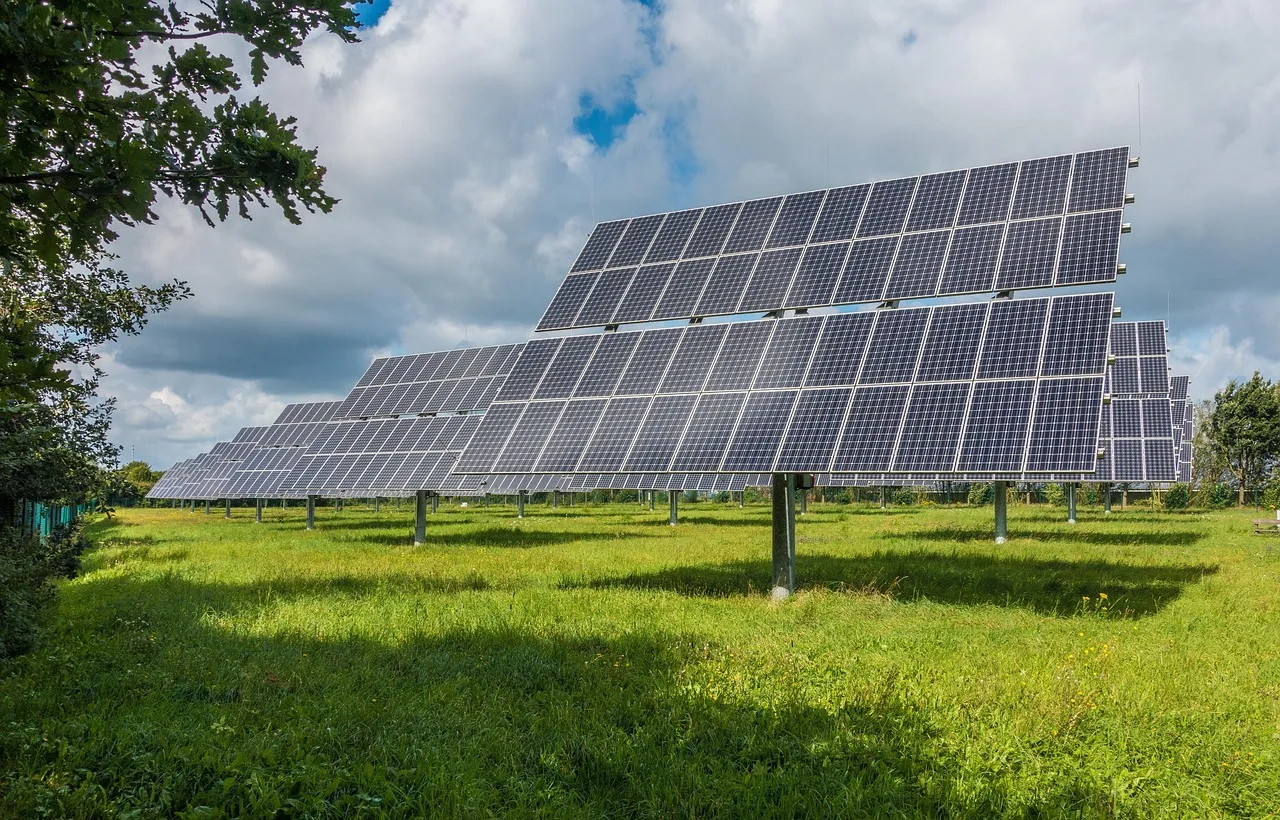
We capture the Sun's energy using special devices called solar panels. Image credit mrganso / Pixabay.
The sun is a powerful source of energy that reaches Earth every day. Solar energy is energy that comes from the sun in the form of light and heat. The sun provides more energy in one hour than all the people on Earth use in an entire year! This makes solar energy a very important resource for our future.
We can capture solar energy using special devices called solar panels. Solar panels are usually flat, dark-colored rectangles that you might see on rooftops or in fields. These panels contain special materials that absorb sunlight. When sunlight hits a solar panel, the panel converts the light energy into electricity, which is energy that powers lights, computers, and other devices we use every day. Think of solar panels like plants that absorb sunlight—but instead of making food, they make electricity.
Solar energy can also heat water directly. Some solar panels have tubes filled with water running through them. When the sun shines on these panels, the water inside gets hot. This hot water can be used for showers, washing dishes, or heating buildings.
Using solar energy helps us in many ways. It doesn't create pollution like burning coal or gas does. Solar energy is also renewable, which means we will never run out of it as long as the sun keeps shining. More homes, schools, and businesses are installing solar panels to use this clean energy from the sun.
What is solar energy?
Energy from windEnergy from the sunEnergy from waterEnergy from coal
What do solar panels do?
They make the sun brighterThey capture and convert sunlightThey block sunlight from buildingsThey create wind energy
Where might you see solar panels?
Underground in cavesAt the bottom of oceansOn rooftops or in fieldsInside dark closets
Why is solar energy renewable?
It is very expensiveIt creates a lot of pollutionIt will run out soonThe sun keeps shining
How can solar energy heat water?
By using tubes in panelsBy making ice meltBy creating steam from coalBy pumping cold water
What happens when sunlight hits solar panels?
The panels get very coldLight converts to electricityThe sun stops shiningThe panels turn invisible
Solar energy creates pollution like coal does.
TrueFalse
What does 'absorb' mean in the passage?
To reflect or bounce backTo take in or soak upTo push awayTo break into pieces
Perfect For:
👩🏫 Teachers
• Reading comprehension practice
• Auto-graded assessments
• Literacy skill development
👨👩👧👦 Parents
• Reading practice at home
• Comprehension improvement
• Educational reading time
🏠 Homeschoolers
• Reading curriculum support
• Independent reading practice
• Progress monitoring
Reading Features:
📖
Reading Passage
Engaging fiction or nonfiction text
❓
Comprehension Quiz
Auto-graded questions
📊
Instant Feedback
Immediate results and scoring
📄
Printable Version
Download for offline reading
🔊
Read Aloud
Voice-over with word highlighting
Reviews & Ratings
No reviews yet. Be the first to share your experience!
Related Content
How Hydropower Works
This engaging 250-word science passage explains how hydropower works for Grade 4-5 students. Aligned with NGSS 4-ESS3-1,...
NGSS 4-ESS3-1
Reducing Air Pollution
This engaging 250-word science passage introduces Grade 4-5 students to the technology used to reduce air pollution from...
NGSS 4-ESS3-1
How We Can Use Less Energy
This engaging 250-word science passage for Grade 4-5 students explores how people can reduce the environmental impact of...
NGSS 4-ESS3-1
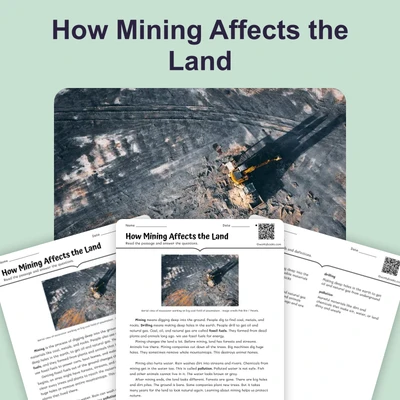
How Mining Affects the Land
This comprehensive 250-word reading passage helps Grade 4-5 students understand the environmental impacts of mining oper...
NGSS 4-ESS3-1
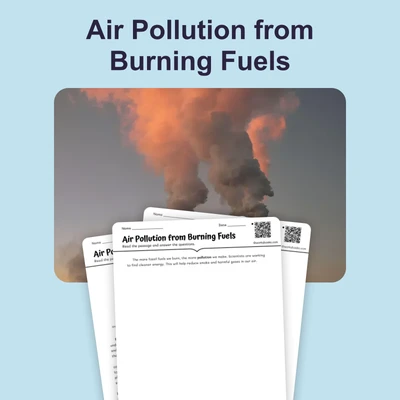
Air Pollution from Burning Fuels
This comprehensive science passage on air pollution is designed for Grade 4-5 students and aligns with NGSS 4-ESS3-1 sta...
NGSS 4-ESS3-1
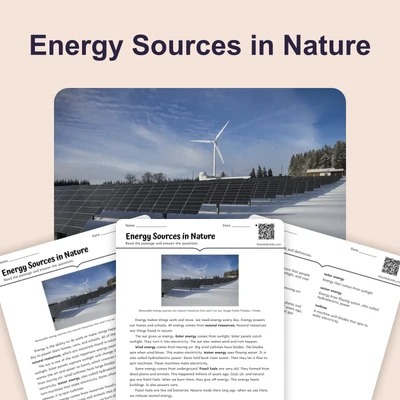
Energy Sources in Nature
This engaging 250-word science passage for Grade 4-5 students explores Energy Sources in Nature, aligned with NGSS stand...
NGSS 4-ESS3-1
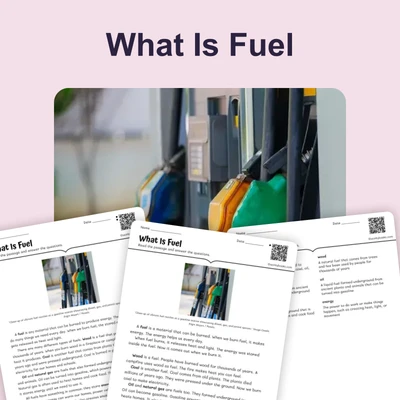
What Is Fuel
This engaging 250-word science passage introduces Grade 4-5 students to the concept of fuel as any material that stores ...
NGSS 4-ESS3-1
Renewable vs Nonrenewable
This comprehensive 250-word passage helps Grade 4-5 students understand the critical difference between renewable and no...
NGSS 4-ESS3-1
How We Use Coal for Energy
This comprehensive 250-word reading passage introduces fourth-grade students to coal as an energy resource, aligned with...
NGSS 4-ESS3-1
Biomass Energy
This engaging Grade 4-5 science passage explains biomass energy and how it works as a renewable energy source. Students ...
NGSS 4-ESS3-1
How Wind Energy Works
This 250-word reading passage introduces fourth-grade students to wind energy and how it works, aligned with NGSS standa...
NGSS 4-ESS3-1
How We Use Oil for Energy
This 250-word reading passage aligns with NGSS standard 4-ESS3-1 and introduces fourth-grade students to oil as a vital ...
NGSS 4-ESS3-1
How We Use Natural Gas for Energy
This 250-word reading passage introduces fourth-grade students to natural gas as an important energy resource. Aligned w...
NGSS 4-ESS3-1
How Are Fossil Fuels Formed
This 250-word reading passage introduces fourth-grade students to the formation of fossil fuels, aligned with NGSS stand...
NGSS 4-ESS3-1
Where Do We Find Fossil Fuels
This Grade 4 Earth Science reading passage aligns with NGSS standard 4-ESS3-1 and introduces students to the locations a...
NGSS 4-ESS3-1
Why Fossil Fuels Run Out
This 250-word reading passage introduces fourth-grade students to the concept of nonrenewable energy resources, specific...
NGSS 4-ESS3-1
Benefits of Renewable Energy
This 250-word reading passage introduces fourth-grade students to the benefits of renewable energy sources aligned with ...
NGSS 4-ESS3-1
Challenges of Renewable Energy
This 250-word reading passage introduces fourth-grade students to the challenges of renewable energy sources, aligned wi...
NGSS 4-ESS3-1
How Energy Use Affects the Environment
This 250-word informational reading passage aligns with NGSS standard 4-ESS3-1 and introduces fourth-grade students to t...