This learning resource is available in interactive and printable formats. The interactive worksheet can be played online and assigned to students. The Printable PDF version can be downloaded and printed for completion by hand.
This 250-word reading passage introduces fourth-grade students to wind energy and how it works, aligned with NGSS standard 4-ESS3-1 (Energy and Fuels from Natural Resources). Students learn how moving air turns large turbine blades to generate electricity. The passage explains wind energy as a clean, renewable resource available in many places. Written in age-appropriate language, it includes bolded key vocabulary terms like turbine, generate, and renewable energy with clear definitions. The passage uses relatable examples such as pinwheels to help students understand how wind can make things spin. Audio-integrated features support diverse learners. Accompanying activities include an 8-question multiple-choice quiz testing recall and comprehension, three writing prompts requiring students to explain concepts and make real-world connections, and graphic organizers including a Sequence/Process Table and Input-Process-Output Table. A simplified differentiated version provides the same core content with shorter sentences for struggling readers. Spanish translations of both passages support English language learners. The glossary defines six key terms. This comprehensive resource builds foundational understanding of renewable energy concepts essential for elementary science education.
CONTENT PREVIEW
Expand content preview
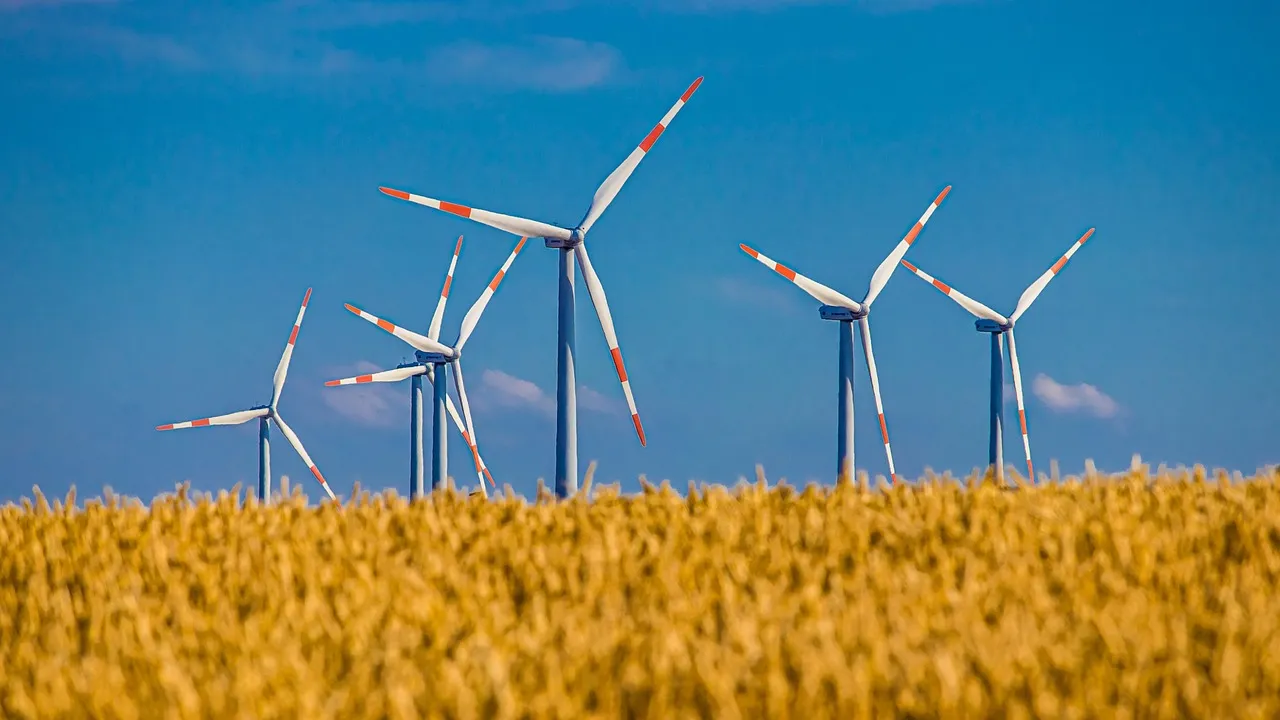
Image credit Al3xanderD / Pixabay.
Wind energy is power that comes from moving air. When wind blows, it can push against objects and make them move. People have learned how to capture this moving air and turn it into electricity that powers our homes, schools, and cities.
Large machines called wind turbines are used to capture wind energy. A wind turbine looks like a giant pinwheel on top of a tall tower. It has long blades that are shaped like airplane wings. When wind blows against these blades, they spin around. The spinning blades are connected to a machine inside the turbine called a generator. A generator is a device that turns motion into electricity. As the blades spin faster, the generator produces more electricity.
Wind energy is a renewable energy source, which means it will not run out. The wind keeps blowing naturally, so we can keep using it without using it up. Wind energy is also clean energy because it does not create pollution or dirty smoke like burning coal or oil does.
Wind turbines work best in places where wind blows strongly and often. Many wind turbines are built in open areas like farms, hills, or near the ocean. Some places have many turbines together in groups called wind farms. These wind farms can generate enough electricity to power thousands of homes.
What is wind energy?
Power from moving airPower from the sunPower from waterPower from batteries
What does a wind turbine look like?
A small fanA giant pinwheel on a towerA water wheelA solar panel
What is a generator?
A device that stores electricityA device that turns motion into electricityA device that measures wind speedA device that stops wind
Why does wind make turbine blades spin?
Wind pushes against the bladesThe blades are electricThe tower makes them spinRain makes them move
Where do wind turbines work best?
In forests with many treesIn open areas with strong windInside buildingsUnderground
What happens when turbine blades spin faster?
Less electricity is producedThe turbine stops workingMore electricity is producedThe wind stops blowing
Wind energy creates pollution like coal does.
TrueFalse
What is renewable energy?
Energy that runs out quicklyEnergy that will not run outEnergy from old batteriesEnergy that creates pollution
Perfect For:
๐ฉโ๐ซ Teachers
โข Reading comprehension practice
โข Auto-graded assessments
โข Literacy skill development
๐จโ๐ฉโ๐งโ๐ฆ Parents
โข Reading practice at home
โข Comprehension improvement
โข Educational reading time
๐ Homeschoolers
โข Reading curriculum support
โข Independent reading practice
โข Progress monitoring
Reading Features:
๐
Reading Passage
Engaging fiction or nonfiction text
โ
Comprehension Quiz
Auto-graded questions
๐
Instant Feedback
Immediate results and scoring
๐
Printable Version
Download for offline reading
๐
Read Aloud
Voice-over with word highlighting
Reviews & Ratings
No reviews yet. Be the first to share your experience!
Related Content
How Hydropower Works
This engaging 250-word science passage explains how hydropower works for Grade 4-5 students. Aligned with NGSS 4-ESS3-1,...
NGSS 4-ESS3-1
Reducing Air Pollution
This engaging 250-word science passage introduces Grade 4-5 students to the technology used to reduce air pollution from...
NGSS 4-ESS3-1
How We Can Use Less Energy
This engaging 250-word science passage for Grade 4-5 students explores how people can reduce the environmental impact of...
NGSS 4-ESS3-1
How Mining Affects the Land
This comprehensive 250-word reading passage helps Grade 4-5 students understand the environmental impacts of mining oper...
NGSS 4-ESS3-1
Air Pollution from Burning Fuels
This comprehensive science passage on air pollution is designed for Grade 4-5 students and aligns with NGSS 4-ESS3-1 sta...
NGSS 4-ESS3-1
How Solar Energy Works
This engaging 250-word science passage explains how solar energy works for Grade 4-5 students. The reading explores how ...
NGSS 4-ESS3-1
Energy Sources in Nature
This engaging 250-word science passage for Grade 4-5 students explores Energy Sources in Nature, aligned with NGSS stand...
NGSS 4-ESS3-1
What Is Fuel
This engaging 250-word science passage introduces Grade 4-5 students to the concept of fuel as any material that stores ...
NGSS 4-ESS3-1
Renewable vs Nonrenewable
This comprehensive 250-word passage helps Grade 4-5 students understand the critical difference between renewable and no...
NGSS 4-ESS3-1
How We Use Coal for Energy
This comprehensive 250-word reading passage introduces fourth-grade students to coal as an energy resource, aligned with...
NGSS 4-ESS3-1
Biomass Energy
This engaging Grade 4-5 science passage explains biomass energy and how it works as a renewable energy source. Students ...
NGSS 4-ESS3-1
How We Use Oil for Energy
This 250-word reading passage aligns with NGSS standard 4-ESS3-1 and introduces fourth-grade students to oil as a vital ...
NGSS 4-ESS3-1
How We Use Natural Gas for Energy
This 250-word reading passage introduces fourth-grade students to natural gas as an important energy resource. Aligned w...
NGSS 4-ESS3-1
How Are Fossil Fuels Formed
This 250-word reading passage introduces fourth-grade students to the formation of fossil fuels, aligned with NGSS stand...
NGSS 4-ESS3-1
Where Do We Find Fossil Fuels
This Grade 4 Earth Science reading passage aligns with NGSS standard 4-ESS3-1 and introduces students to the locations a...
NGSS 4-ESS3-1
Why Fossil Fuels Run Out
This 250-word reading passage introduces fourth-grade students to the concept of nonrenewable energy resources, specific...
NGSS 4-ESS3-1
Benefits of Renewable Energy
This 250-word reading passage introduces fourth-grade students to the benefits of renewable energy sources aligned with ...
NGSS 4-ESS3-1
Challenges of Renewable Energy
This 250-word reading passage introduces fourth-grade students to the challenges of renewable energy sources, aligned wi...
NGSS 4-ESS3-1
How Energy Use Affects the Environment
This 250-word informational reading passage aligns with NGSS standard 4-ESS3-1 and introduces fourth-grade students to t...