This learning resource is available in interactive and printable formats. The interactive worksheet can be played online and assigned to students. The Printable PDF version can be downloaded and printed for completion by hand.
This 250-word reading passage aligns with NGSS standard 4-ESS3-1 and introduces fourth-grade students to oil as a vital energy resource. Students discover that oil is a liquid found deep underground that formed millions of years ago from tiny sea organisms. The passage explains how we extract oil through drilling and process it in refineries to create gasoline for vehicles, heating fuel for homes, and raw materials for countless everyday products like plastics, crayons, and medicines. Through clear explanations and relatable examples, students build foundational understanding of how humans obtain and use energy resources from Earth. The passage includes audio integration to support diverse learners and features bolded vocabulary terms with immediate definitions. Accompanying activities include comprehension questions testing recall and application, writing prompts requiring explanations and real-world connections, and graphic organizers helping students classify oil's uses and understand the formation process. This resource prepares students for hands-on investigations about energy resources and supports classroom discussions about natural resource conservation and sustainability.
CONTENT PREVIEW
Expand content preview
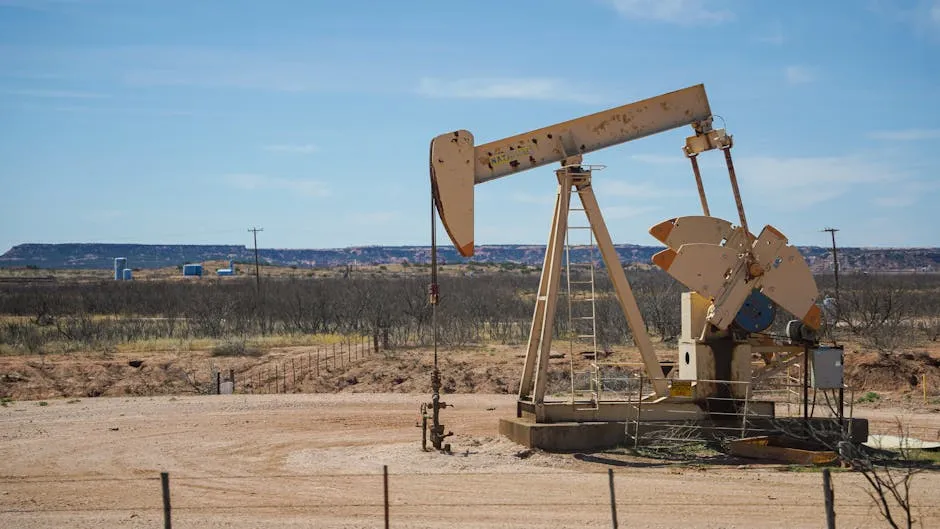
Industrial oil pumpjack in a desert. Image Credit jayjay13 / Pexels.
Oil is a thick, dark liquid found deep underground in certain rock layers. Oil is a very important energy resource, which means it is a material from nature that people use to do work and power machines.
Oil formed millions of years ago from tiny plants and animals that lived in ancient oceans. When these organisms died, they sank to the ocean floor and were covered by layers of sand and mud. Over millions of years, heat and pressure from the Earth changed these remains into oil. Because oil formed from organisms that lived long ago, we call it a fossil fuel.
Today, people drill deep wells to reach oil trapped in underground rocks. The oil is pumped to the surface and sent to factories called refineries. At refineries, workers heat the oil and separate it into different products.
The most common use of oil is making gasoline, the fuel that powers most cars, trucks, and buses. Oil is also used to make heating fuel that keeps homes and schools warm in winter. Many everyday items come from oil too, including plastics, crayons, medicines, and even the asphalt on roads.
Oil provides energy for transportation, heating, and electricity. It is like a treasure chest buried underground—once we use it, we cannot make more quickly because it takes millions of years to form. That is why scientists and engineers work to find ways to use oil wisely and develop other energy sources.
Where is oil found?
On top of mountainsDeep underground in rock layersFloating on ocean surfacesIn the clouds
What did oil form from?
Ancient sea plants and animalsDinosaur bones onlyVolcanic lavaRainwater and rocks
What is the most common product from oil?
Crayons and plasticsMedicines and asphaltGasoline for vehiclesHeating fuel for homes
Why can't we make more oil quickly?
It takes millions of years to formWe don't have the right toolsThere are no more ancient organismsRefineries are too expensive
How does oil become useful products?
It is mixed with waterIt is heated and separated at refineriesIt is frozen into solid blocksIt is buried deeper underground
What would happen without oil energy?
Cars would still run the same wayWe would have more plastic productsTransportation and heating would be harderRoads would be easier to build
Oil formed in millions of years.
TrueFalse
What does 'energy resource' mean?
A type of rock layerMaterial used to power machinesA factory that makes productsAn ancient ocean animal
Perfect For:
👩🏫 Teachers
• Reading comprehension practice
• Auto-graded assessments
• Literacy skill development
👨👩👧👦 Parents
• Reading practice at home
• Comprehension improvement
• Educational reading time
🏠 Homeschoolers
• Reading curriculum support
• Independent reading practice
• Progress monitoring
Reading Features:
📖
Reading Passage
Engaging fiction or nonfiction text
❓
Comprehension Quiz
Auto-graded questions
📊
Instant Feedback
Immediate results and scoring
📄
Printable Version
Download for offline reading
🔊
Read Aloud
Voice-over with word highlighting
Reviews & Ratings
No reviews yet. Be the first to share your experience!
Related Content
How Hydropower Works
This engaging 250-word science passage explains how hydropower works for Grade 4-5 students. Aligned with NGSS 4-ESS3-1,...
NGSS 4-ESS3-1
Reducing Air Pollution
This engaging 250-word science passage introduces Grade 4-5 students to the technology used to reduce air pollution from...
NGSS 4-ESS3-1
How We Can Use Less Energy
This engaging 250-word science passage for Grade 4-5 students explores how people can reduce the environmental impact of...
NGSS 4-ESS3-1
How Mining Affects the Land
This comprehensive 250-word reading passage helps Grade 4-5 students understand the environmental impacts of mining oper...
NGSS 4-ESS3-1
Air Pollution from Burning Fuels
This comprehensive science passage on air pollution is designed for Grade 4-5 students and aligns with NGSS 4-ESS3-1 sta...
NGSS 4-ESS3-1
How Solar Energy Works
This engaging 250-word science passage explains how solar energy works for Grade 4-5 students. The reading explores how ...
NGSS 4-ESS3-1
Energy Sources in Nature
This engaging 250-word science passage for Grade 4-5 students explores Energy Sources in Nature, aligned with NGSS stand...
NGSS 4-ESS3-1
What Is Fuel
This engaging 250-word science passage introduces Grade 4-5 students to the concept of fuel as any material that stores ...
NGSS 4-ESS3-1
Renewable vs Nonrenewable
This comprehensive 250-word passage helps Grade 4-5 students understand the critical difference between renewable and no...
NGSS 4-ESS3-1
How We Use Coal for Energy
This comprehensive 250-word reading passage introduces fourth-grade students to coal as an energy resource, aligned with...
NGSS 4-ESS3-1
Biomass Energy
This engaging Grade 4-5 science passage explains biomass energy and how it works as a renewable energy source. Students ...
NGSS 4-ESS3-1
How Wind Energy Works
This 250-word reading passage introduces fourth-grade students to wind energy and how it works, aligned with NGSS standa...
NGSS 4-ESS3-1
How We Use Natural Gas for Energy
This 250-word reading passage introduces fourth-grade students to natural gas as an important energy resource. Aligned w...
NGSS 4-ESS3-1
How Are Fossil Fuels Formed
This 250-word reading passage introduces fourth-grade students to the formation of fossil fuels, aligned with NGSS stand...
NGSS 4-ESS3-1
Where Do We Find Fossil Fuels
This Grade 4 Earth Science reading passage aligns with NGSS standard 4-ESS3-1 and introduces students to the locations a...
NGSS 4-ESS3-1
Why Fossil Fuels Run Out
This 250-word reading passage introduces fourth-grade students to the concept of nonrenewable energy resources, specific...
NGSS 4-ESS3-1
Benefits of Renewable Energy
This 250-word reading passage introduces fourth-grade students to the benefits of renewable energy sources aligned with ...
NGSS 4-ESS3-1
Challenges of Renewable Energy
This 250-word reading passage introduces fourth-grade students to the challenges of renewable energy sources, aligned wi...
NGSS 4-ESS3-1
How Energy Use Affects the Environment
This 250-word informational reading passage aligns with NGSS standard 4-ESS3-1 and introduces fourth-grade students to t...