This learning resource is available in interactive and printable formats. The interactive worksheet can be played online and assigned to students. The Printable PDF version can be downloaded and printed for completion by hand.
This engaging Grade 4-5 science passage explains biomass energy and how it works as a renewable energy source. Students learn how biomass energy comes from burning plant materials, wood, and organic waste to release stored energy originally captured from the Sun through photosynthesis. The passage connects to real-world examples like burning wood for heat and using crop waste to generate electricity. Aligned with NGSS 4-ESS3-1 standards, this comprehensive resource includes the main reading passage, a simplified differentiated version, Spanish translations of both versions, an interactive glossary, multiple-choice quiz questions testing recall and comprehension, writing activities with suggested answers, and graphic organizers. All content is audio-integrated to support diverse learners. Students explore why biomass is considered renewable because new plants can grow quickly to replace what was burned, making it a sustainable energy option. The material uses age-appropriate language and concrete examples to help elementary students understand this important renewable energy concept.
CONTENT PREVIEW
Expand content preview
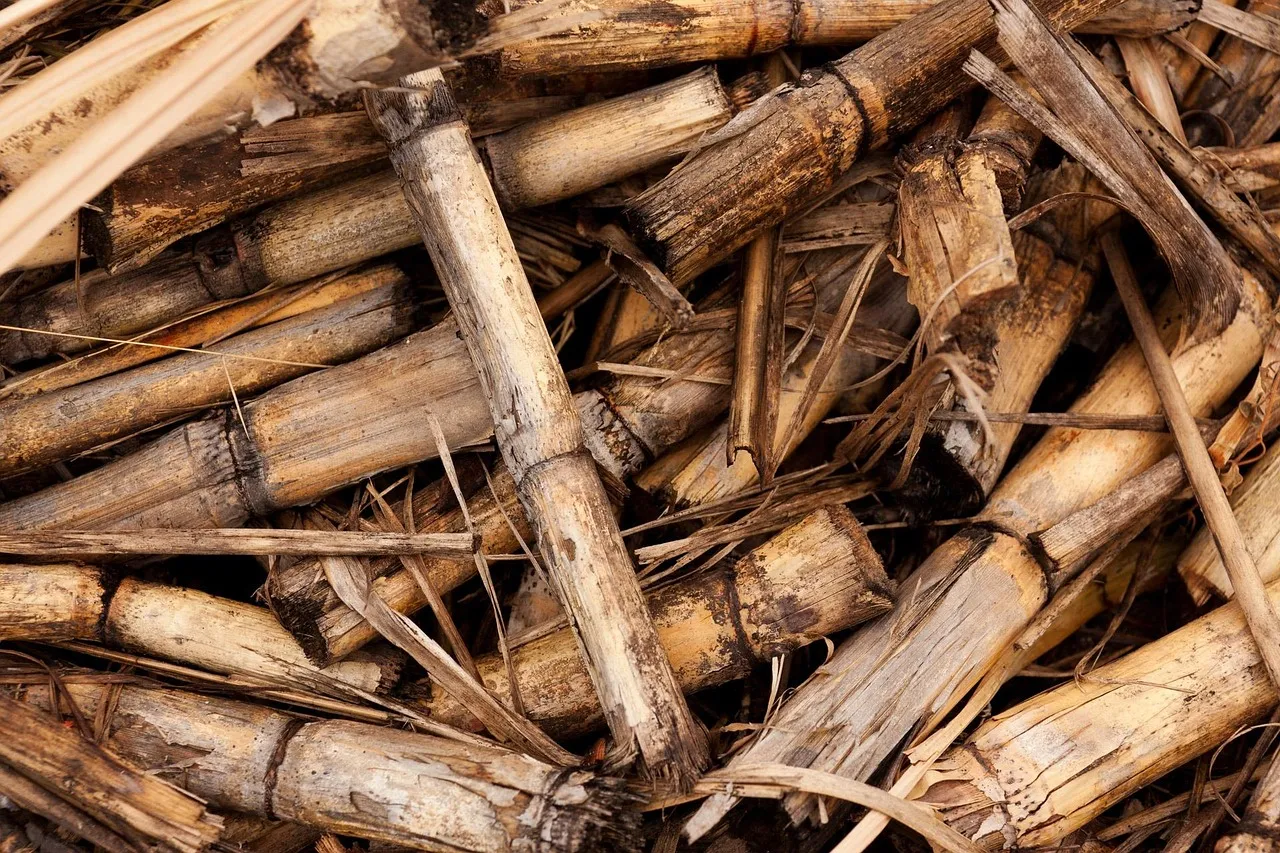
People have used biomass energy for thousands of years. When you see someone burning wood in a fireplace or campfire, that's biomass energy at work. Image credit Pixabay.
Biomass energy is energy that comes from living things or things that were recently alive. This includes plants like trees, corn, and grasses, as well as organic materials like wood, food scraps, and animal waste. Organic materials are things that come from plants or animals. People use biomass to create energy that powers homes, schools, and factories.
When biomass is burned or processed in special machines, it releases energy in the form of heat and electricity. For example, burning wood in a fireplace releases heat energy that warms a room. Large power plants can burn wood chips or plant materials to make electricity for entire communities. Some farms collect animal waste and food scraps, then use special equipment to turn them into a gas called biogas that can be burned for energy.
Biomass is a renewable energy source, which means we can replace it. Renewable energy sources do not run out because we can make more of them. Unlike coal or oil, which take millions of years to form underground, we can grow new trees and crops in just months or years. When we plant new trees to replace the ones we use for energy, we ensure there will always be more biomass available.
Using biomass energy helps reduce waste because we can use materials that might otherwise be thrown away, like food scraps or sawdust from lumber mills. This makes biomass an important part of finding cleaner ways to meet our energy needs.
What is biomass energy made from?
Only rocks and mineralsLiving things and organic materialsOnly water and airOnly plastic and metal
What are organic materials?
Things made from plasticThings from plants or animalsThings made in factoriesThings found in rocks
What happens when biomass is burned?
It releases heat and electricityIt turns into waterIt becomes coalNothing happens
Why is biomass renewable?
It comes from undergroundWe can grow more plantsIt never gets used upIt comes from the ocean
How does biomass help reduce waste?
By making more trashBy using materials that would be thrown awayBy creating new plasticBy burying everything underground
How long does it take coal to form?
A few daysA few monthsMillions of yearsOne year
Biomass can only come from trees.
TrueFalse
What is biogas?
A type of rockGas made from waste for energyWater vaporA kind of plant
Perfect For:
๐ฉโ๐ซ Teachers
โข Reading comprehension practice
โข Auto-graded assessments
โข Literacy skill development
๐จโ๐ฉโ๐งโ๐ฆ Parents
โข Reading practice at home
โข Comprehension improvement
โข Educational reading time
๐ Homeschoolers
โข Reading curriculum support
โข Independent reading practice
โข Progress monitoring
Reading Features:
๐
Reading Passage
Engaging fiction or nonfiction text
โ
Comprehension Quiz
Auto-graded questions
๐
Instant Feedback
Immediate results and scoring
๐
Printable Version
Download for offline reading
๐
Read Aloud
Voice-over with word highlighting
Reviews & Ratings
No reviews yet. Be the first to share your experience!
Related Content
How Hydropower Works
This engaging 250-word science passage explains how hydropower works for Grade 4-5 students. Aligned with NGSS 4-ESS3-1,...
NGSS 4-ESS3-1
Reducing Air Pollution
This engaging 250-word science passage introduces Grade 4-5 students to the technology used to reduce air pollution from...
NGSS 4-ESS3-1
How We Can Use Less Energy
This engaging 250-word science passage for Grade 4-5 students explores how people can reduce the environmental impact of...
NGSS 4-ESS3-1
How Mining Affects the Land
This comprehensive 250-word reading passage helps Grade 4-5 students understand the environmental impacts of mining oper...
NGSS 4-ESS3-1
Air Pollution from Burning Fuels
This comprehensive science passage on air pollution is designed for Grade 4-5 students and aligns with NGSS 4-ESS3-1 sta...
NGSS 4-ESS3-1
How Solar Energy Works
This engaging 250-word science passage explains how solar energy works for Grade 4-5 students. The reading explores how ...
NGSS 4-ESS3-1
Energy Sources in Nature
This engaging 250-word science passage for Grade 4-5 students explores Energy Sources in Nature, aligned with NGSS stand...
NGSS 4-ESS3-1
What Is Fuel
This engaging 250-word science passage introduces Grade 4-5 students to the concept of fuel as any material that stores ...
NGSS 4-ESS3-1
Renewable vs Nonrenewable
This comprehensive 250-word passage helps Grade 4-5 students understand the critical difference between renewable and no...
NGSS 4-ESS3-1
How We Use Coal for Energy
This comprehensive 250-word reading passage introduces fourth-grade students to coal as an energy resource, aligned with...
NGSS 4-ESS3-1
How Wind Energy Works
This 250-word reading passage introduces fourth-grade students to wind energy and how it works, aligned with NGSS standa...
NGSS 4-ESS3-1
How We Use Oil for Energy
This 250-word reading passage aligns with NGSS standard 4-ESS3-1 and introduces fourth-grade students to oil as a vital ...
NGSS 4-ESS3-1
How We Use Natural Gas for Energy
This 250-word reading passage introduces fourth-grade students to natural gas as an important energy resource. Aligned w...
NGSS 4-ESS3-1
How Are Fossil Fuels Formed
This 250-word reading passage introduces fourth-grade students to the formation of fossil fuels, aligned with NGSS stand...
NGSS 4-ESS3-1
Where Do We Find Fossil Fuels
This Grade 4 Earth Science reading passage aligns with NGSS standard 4-ESS3-1 and introduces students to the locations a...
NGSS 4-ESS3-1
Why Fossil Fuels Run Out
This 250-word reading passage introduces fourth-grade students to the concept of nonrenewable energy resources, specific...
NGSS 4-ESS3-1
Benefits of Renewable Energy
This 250-word reading passage introduces fourth-grade students to the benefits of renewable energy sources aligned with ...
NGSS 4-ESS3-1
Challenges of Renewable Energy
This 250-word reading passage introduces fourth-grade students to the challenges of renewable energy sources, aligned wi...
NGSS 4-ESS3-1
How Energy Use Affects the Environment
This 250-word informational reading passage aligns with NGSS standard 4-ESS3-1 and introduces fourth-grade students to t...