Reading Passage

Aquatic Biomes of the World

Interactive passage with audio narration, comprehension questions, and printable PDF.

No ratings yet
Grades 5–8ScienceElaEnglish · SpanishInteractive · Printable
Aligned toMS-LS2-1

What's included

Reading passage
Audio narration
Comprehension quiz
Writing activity
Glossary & flashcards
Differentiated version
Spanish translation

Aquatic Biomes of the World preview and details

About this printable Aquatic Biomes of the World science reading passage, NGSS-aligned (Grades 5-8)

This comprehensive middle school science passage explores the concept of aquatic biomes, which are water-based ecosystems covering more than 70% of Earth’s surface. Students will learn how aquatic biomes are classified by salinity (freshwater vs. marine), location, and important physical and chemical factors such as light penetration, temperature, oxygen levels, and water movement. The passage explains the mechanisms behind how these variables shape life in aquatic environments, with examples including rivers, lakes, oceans, and estuaries. Students are encouraged to think like scientists, connecting real-world applications such as biodiversity and environmental health to the classification and function of aquatic biomes. The resource aligns with NGSS MS-LS2-1 standards and is designed for grades 6-8. It includes glossary terms, differentiated and Spanish-translated versions, comprehension questions, writing prompts, and graphic organizers. Audio support is integrated for accessibility. Ideal for classrooms seeking engaging, standards-based science content.
Written by Workybooks TeamPublished by Workybooks
Preview

Sample passage and quiz from Aquatic Biomes of the World

Reading passage and comprehension quiz preview

Aquatic Biomes of the World
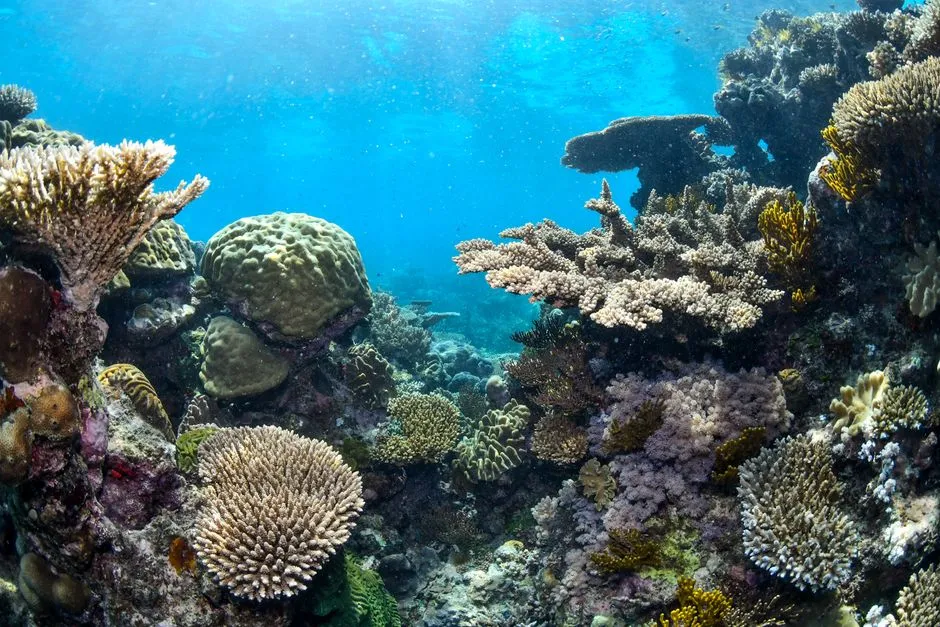
Explore the vibrant coral reef underwater in Australia, teeming with diverse marine life and stunning colors.

"Explore the vibrant coral reef underwater in Australia, teeming with diverse marine life and stunning colors." by Martins OPO / Pexels.

Aquatic biomes are major water-based ecosystems that cover more than 70% of Earth's surface. These vast environments are essential because they support a tremendous diversity of life, influence climate patterns, and provide resources for people and wildlife. Scientists classify aquatic biomes using measurable characteristics, which helps us understand how living and nonliving parts interact within these complex systems. Unlike terrestrial biomes, which are defined mostly by climate and vegetation, aquatic biomes are organized by physical and chemical factors found in water.

How Are Aquatic Biomes Classified?
Scientists classify aquatic biomes mainly by salinity, which is the amount of dissolved salt in the water. Water with low salinity is called freshwater, while water with high salinity is called marine. Freshwater biomes include rivers, lakes, and streams, which make up less than 3% of all water on Earth. Marine biomes, such as oceans and seas, contain about 97% of Earth’s water. Other important factors for classification include water depth, how much sunlight penetrates the water (light penetration), temperature, oxygen levels, and the movement of water. For example, lakes may have different plant and animal species at the surface compared to deeper layers due to changes in light and oxygen.

Factors Shaping Aquatic Life
Each key factor affects which organisms can survive in a particular aquatic biome. For instance, light penetration determines where photosynthetic plants like algae can live. In deep oceans, sunlight only reaches about 200 meters, limiting most photosynthesis to the upper zone, known as the photic zone. Temperature and oxygen levels also change with depth and location. Cold water can hold more oxygen, which influences the types of fish that live there. Fast-moving rivers usually have more oxygen than slow-moving lakes. These physical and chemical factors interact to create a variety of habitats, each supporting unique communities of organisms.

Connections and Importance
Aquatic biomes are not isolated—they interact with terrestrial biomes and the atmosphere. For example, wetlands filter water and provide habitat for both aquatic and land species. Estuaries, where freshwater meets marine water, are among the most productive biomes because they mix nutrients from land and sea. The health of aquatic biomes is closely tied to environmental issues like pollution, climate change, and overfishing. Scientists monitor changes in these biomes to study ecosystem health and predict how human actions impact the planet.

Understanding aquatic biomes helps us protect vital resources, maintain biodiversity, and ensure a stable environment for future generations. Their study illustrates how physical and biological systems are interconnected, reflecting the core ideas of ecology.

Interesting Fact:
The largest aquatic biome is the open ocean, which covers more than 45% of Earth’s surface and contains the majority of the planet’s water!

Comprehension quiz (10 questions)

1. What is the main characteristic used to classify aquatic biomes?

Salinity
Color of water
Size of the body of water
Amount of rainfall

2. Which of the following is considered a freshwater biome?

Lake
Sea
Ocean
Estuary

3. What is the photic zone?

The top layer of water where sunlight can reach
The bottom layer of the ocean
A type of river
A layer of soil in terrestrial biomes

4. Why do lakes have different species at the surface compared to the bottom?

Because of changes in light and oxygen
Because of the salinity
Because of temperature only
Because of rainfall

5. What percentage of Earth's water is found in marine biomes?

About 97%
About 50%
About 3%
About 10%

6. What does 'salinity' mean as used in the passage?

The amount of salt in water
The temperature of water
The speed of water
The size of the water body

7. What is an estuary?

A place where freshwater meets marine water
A type of lake
A deep ocean trench
A mountain biome

8. Which factor is NOT usually used to classify aquatic biomes?

Average rainfall
Salinity
Depth
Light penetration

9. True or False: Fast-moving rivers usually have more oxygen than slow-moving lakes.

True
False

10. True or False: Aquatic biomes do not interact with terrestrial biomes or the atmosphere.

False
True
Who it's for

Perfect for the way you teach

Teachers
  • Build comprehension skills
  • Auto-graded quiz
  • Differentiated reading
Parents
  • Read together at home
  • Improve fluency
  • Quiet reading time
Homeschoolers
  • Reading curriculum support
  • Independent practice
  • Track Lexile growth
Topics

Reviews & Ratings

No reviews yet. Be the first to share your experience!

More reading you might love

20 more
Passage
The Narwhal: Arctic’s Unicorn of the Sea reading passage for grades 5 to 8
Grades 5–8

The Narwhal: Arctic’s Unicorn of the Sea

life science · MS-LS2-1+3

Free
Passage
The Blue-Ringed Octopus reading passage for grades 5 to 8
Grades 5–8

The Blue-Ringed Octopus

life science · MS-LS2-1+3

Free
Passage
Tardigrades: Microscopic Superheroes reading passage for grades 5 to 8
Grades 5–8

Tardigrades: Microscopic Superheroes

science · MS-LS2-1+3

Free
Passage
The Leafy Sea Dragon: Nature's Living Seaweed reading passage for grades 5 to 8
Grades 5–8

The Leafy Sea Dragon: Nature's Living Seaweed

life science · MS-LS2-1+3

Free
Passage
What Do Axolotls Eat? reading passage for grades 3 to 8
Grades 3–8

What Do Axolotls Eat?

life science · MS-LS2-1

$1.50
Passage
Where Do Axolotls Live? reading passage for grades 3 to 8
Grades 3–8

Where Do Axolotls Live?

life science · MS-LS4-D+1

$1.50
Passage
The Blobfish reading passage for grades 3 to 8
Grades 3–8

The Blobfish

life science · MS-LS4-D+1

$1.50
Passage
What Do Blobfish Eat? reading passage for grades 3 to 8
Grades 3–8

What Do Blobfish Eat?

life science · MS-LS2-1

$1.50
Passage
Where Do Penguins Live?  reading passage for grades 3 to 8
Grades 3–8

Where Do Penguins Live?

life science · MS-LS2-1

$1.50
Passage
The Emperor Penguin reading passage for grades 3 to 8
Grades 3–8

The Emperor Penguin

science · MS-LS2-1

$1.50
Passage
The Adélie Penguin reading passage for grades 3 to 8
Grades 3–8

The Adélie Penguin

life science · MS-LS2-1

$1.50
Passage
How Does Global Warming Affect Adélie Penguins? reading passage for grades 3 to 8
Grades 3–8

How Does Global Warming Affect Adélie Penguins?

life science · MS-LS2-1

$1.50
Passage
Desert Birds reading passage for grades 5 to 8
Grades 5–8

Desert Birds

science · MS-LS2-1+2

$1.50
Passage
Abiotic Factors in Ecosystems reading passage for grades 5 to 8
Grades 5–8

Abiotic Factors in Ecosystems

life science · MS-LS2-1

$1.50
Passage
Biomes: Terrestrial Ecosystems reading passage for grades 5 to 8
Grades 5–8

Biomes: Terrestrial Ecosystems

life science · MS-LS2-1

$1.50
Passage
Biomes: Aquatic Ecosystems reading passage for grades 5 to 8
Grades 5–8

Biomes: Aquatic Ecosystems

life science · MS-LS2-1

$1.50
Passage
The Galápagos Islands reading passage for grades 5 to 8
Grades 5–8

The Galápagos Islands

life science · MS-LS2-1+2

$1.50
Passage
The Florida Everglades reading passage for grades 5 to 8
Grades 5–8

The Florida Everglades

life science · MS-LS2-1+3

$1.50
Passage
The Great Barrier Reef reading passage for grades 5 to 8
Grades 5–8

The Great Barrier Reef

life science · MS-LS2-1+2

$1.50
Passage
Intertidal Zone Biome reading passage for grades 5 to 8
Grades 5–8

Intertidal Zone Biome

life science · MS-LS2-1+1

$1.50
Copyright © 2026 Workybooks Classroom. Made with ♥ in California.