California's Worsening Wildfires
Interactive passage with audio narration, comprehension questions, and printable PDF.
By completing this purchase you agree to our Terms of Use and Privacy Policy. Your subscription renews automatically until you cancel. You can cancel anytime from your account settings. All sales are final and non-refundable. Digital content is available for download in your account immediately upon purchase.
What's included
California's Worsening Wildfires preview and details
About this printable California's Worsening Wildfires science reading passage, NGSS-aligned (Grades 5-8)
Sample passage and quiz from California's Worsening Wildfires
Reading passage and comprehension quiz preview
California's Worsening Wildfires
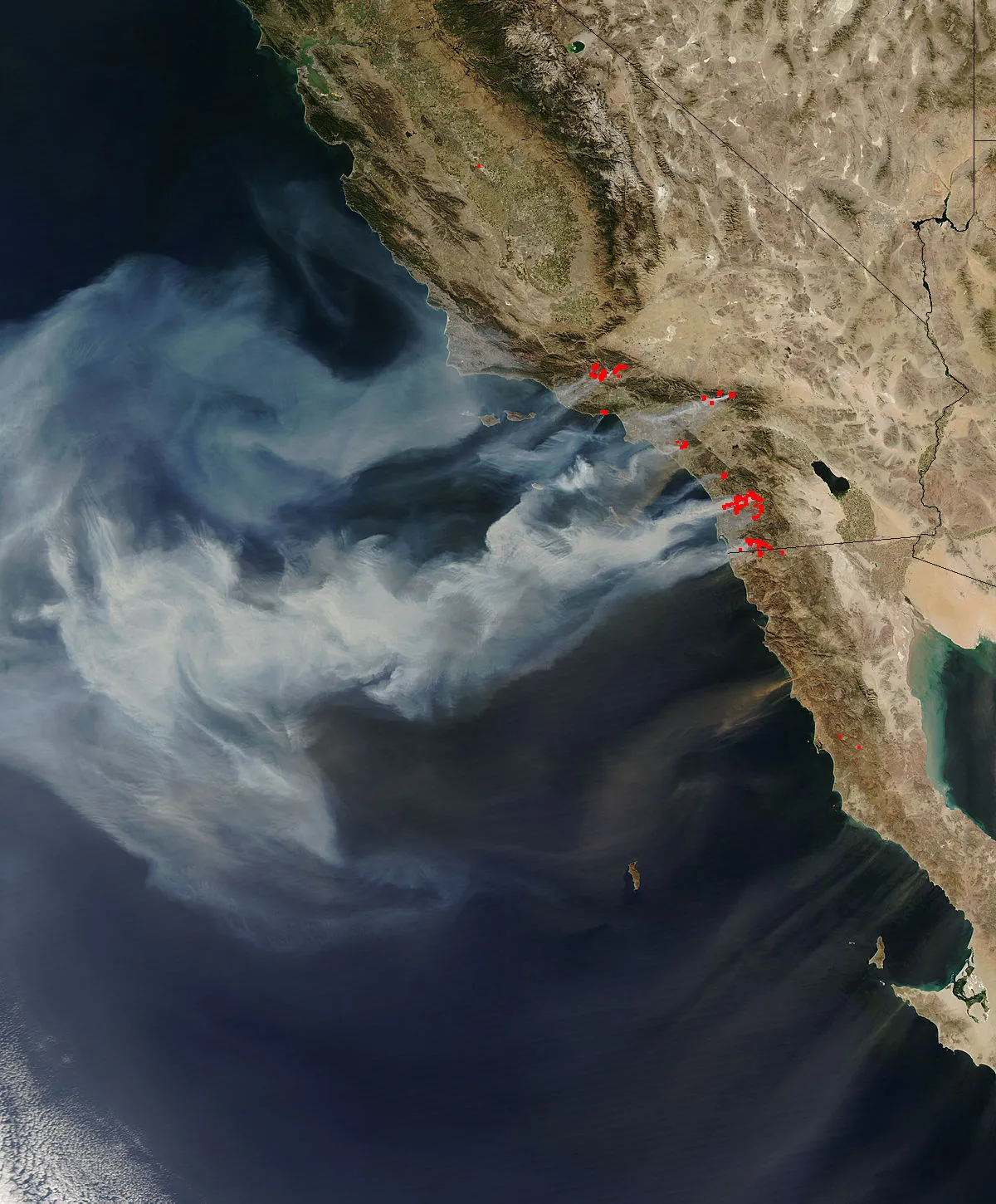
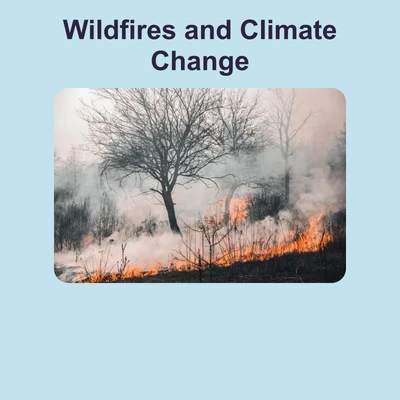
"California Wildfires October 23 2007" by NASA/MODIS Rapid Response.NASA satellites continue to capture remarkable new images of the wildfires raging in Southern California. At least 14 massive fires are reported to have scorched about 425 square miles from north of Los Angeles to southeast of San Diego. / Wikimedia Commons
California's wildfires have grown larger, more frequent, and more destructive in recent decades. Evidence shows that climate change is a major factor driving this crisis. Rising temperatures and prolonged droughts have transformed the state's forests and brushlands into extremely dry fuel. This combination stretches the fire season longer and creates conditions for massive, hard-to-control blazes.
Scientists explain that higher temperatures dry out vegetation more quickly and thoroughly. When plants lose moisture, they become highly flammable. California has experienced some of its hottest years on record in the past two decades. These heat waves extract water from soil and plants, leaving behind tinder-dry conditions. Drought compounds the problem by reducing rainfall over months or years. Without adequate moisture, forests cannot recover between dry periods. The result is a landscape primed to burn.
The fire season in California once lasted from late summer through early fall. Now it can extend from spring through late autumn or even winter. This longer window gives fires more opportunities to start and spread. In 2020, California experienced its largest fire season in modern history. The August Complex Fire burned over one million acres, becoming the first recorded "gigafire" in the state. Smoke from these massive fires traveled hundreds of miles, blanketing cities like San Francisco and Los Angeles. The air quality dropped to hazardous levels, forcing people indoors and causing respiratory problems.
While climate change acts as an accelerant, other factors also contribute to wildfire risk. Forest management practices matter significantly. Decades of fire suppression allowed dense undergrowth and dead wood to accumulate. This buildup provides extra fuel when fires ignite. How fires start also plays a role. Lightning strikes cause some blazes, but human activities like power lines, campfires, and equipment sparks trigger many others. However, climate change makes any fire more likely to grow out of control.
Understanding California's wildfire crisis matters because it affects millions of people and vast ecosystems. The fires destroy homes, threaten lives, and release enormous amounts of carbon dioxide into the atmosphere. Smoke impacts public health far beyond fire zones. As temperatures continue to rise and droughts become more common, California faces an ongoing challenge. Scientists study these patterns to help communities prepare and adapt to a changing climate.
Interesting Fact: The 2018 Camp Fire in Paradise, California, generated its own weather system, creating fire tornadoes with winds exceeding 143 miles per hour.
Comprehension quiz (10 questions)
1. What is the main factor making California's wildfires worse according to the passage?
2. How do rising temperatures affect vegetation in California?
3. What does the term 'accelerant' mean in the context of wildfires?
4. How has California's fire season changed over time?
5. What was significant about the August Complex Fire in 2020?
6. Besides climate change, what other factor contributes to wildfire risk?
7. How do California wildfires affect areas far from the fire zones?
8. What happens when forests experience prolonged drought?
9. True or False: Human activities like power lines and campfires never cause wildfires in California.
10. True or False: The 2018 Camp Fire generated fire tornadoes with winds exceeding 143 miles per hour.
Perfect for the way you teach
- Build comprehension skills
- Auto-graded quiz
- Differentiated reading
- Read together at home
- Improve fluency
- Quiet reading time
- Reading curriculum support
- Independent practice
- Track Lexile growth