Drought on the Colorado River
Interactive passage with audio narration, comprehension questions, and printable PDF.
By completing this purchase you agree to our Terms of Use and Privacy Policy. Your subscription renews automatically until you cancel. You can cancel anytime from your account settings. All sales are final and non-refundable. Digital content is available for download in your account immediately upon purchase.
What's included
Drought on the Colorado River preview and details
About this printable Drought on the Colorado River science reading passage, NGSS-aligned (Grades 5-8)
Sample passage and quiz from Drought on the Colorado River
Reading passage and comprehension quiz preview
Drought on the Colorado River
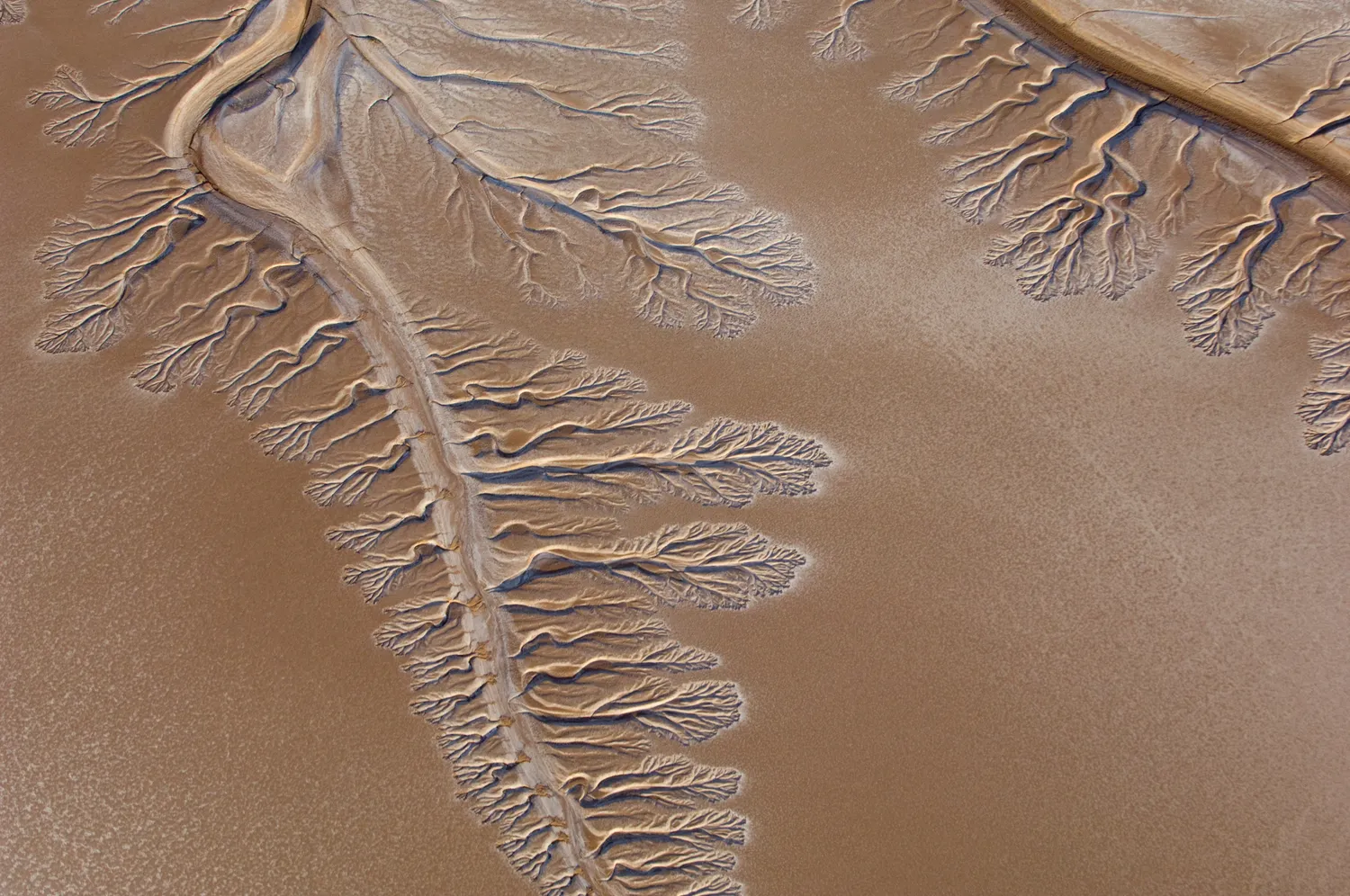
Colorado River Dry Delta, terminus of the Colorado River in the Sonoran Desert of Baja California and Sonora, Mexico, ending about 5 miles north of the Sea of Cortez (Gulf of California).Colorado River Dry Delta by Photographer: Pete McBride, U.S. Geological Survey / Wikimedia Commons
The Colorado River is a lifeline for the American Southwest. It supplies water to roughly 40 million people across seven states. The river also irrigates vast farmland and fills the taps of major cities. However, this critical water source is now in crisis. Climate change and heavy demand are pushing the Colorado River to its limits.
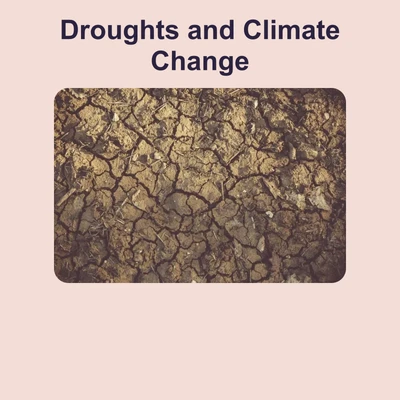
Scientists explain that a prolonged megadrought has gripped the region for more than two decades. A megadrought is an extended period of severe water shortage. Evidence shows that rising temperatures caused by climate change make this drought worse. Warmer air increases evaporation from rivers and reservoirs. Less snowpack forms in the mountains each winter. When spring arrives, less snowmelt flows into the river. These factors combine to shrink the Colorado River year after year.
The effects can be seen clearly at Lakes Mead and Powell. These two enormous reservoirs store water for millions of people. Both lakes have dropped to record lows in recent years. The famous bathtub rings mark how far the water has fallen. These white mineral deposits line the canyon walls above the current water level. Lake Mead, near Las Vegas, now sits at less than 30 percent of its full capacity. Lake Powell, upstream in Utah and Arizona, faces similar challenges. Scientists observe that if water levels drop too low, the dams may not generate electricity or deliver water downstream.
Because so many people and farms depend on one stressed river, difficult decisions must be made. Seven states share rights to Colorado River water through legal agreements. When the river cannot meet everyone's needs, states must negotiate painful cuts. In 2023, California, Arizona, and Nevada agreed to reduce their water use by millions of acre-feet. An acre-foot is the amount of water needed to cover one acre of land one foot deep. Farmers may plant fewer crops. Cities may enforce stricter water conservation rules. These choices affect jobs, food production, and daily life.
This water crisis matters because it shows how water scarcity can impact entire regions. The Colorado River crisis is a real-world example of what happens when demand exceeds supply. It also demonstrates how climate change can worsen existing problems. Understanding these connections helps us make better decisions about managing Earth's limited freshwater resources.
Interesting Fact: The Colorado River once flowed all the way to the Gulf of California in Mexico, but now it rarely reaches the ocean because so much water is withdrawn along the way.
Comprehension quiz (10 questions)
1. How many people depend on the Colorado River for water?
2. What is a megadrought?
3. According to the passage, what are bathtub rings?
4. In the passage, the word 'evaporation' refers to water changing from liquid to what?
5. What can you infer about the relationship between climate change and the Colorado River drought?
6. Why must states negotiate water cuts when the Colorado River cannot meet everyone's needs?
7. If a city wanted to help address water scarcity on the Colorado River, which action would be most effective?
8. Based on the passage, what would likely happen if water levels in Lake Mead and Lake Powell drop too low?
9. True or False: The Colorado River currently flows all the way to the Gulf of California in Mexico.
10. True or False: Lake Mead is currently at less than 30 percent of its full capacity.
Perfect for the way you teach
- Build comprehension skills
- Auto-graded quiz
- Differentiated reading
- Read together at home
- Improve fluency
- Quiet reading time
- Reading curriculum support
- Independent practice
- Track Lexile growth