Electrical Energy Transfer
Interactive passage with audio narration, comprehension questions, and printable PDF.
By completing this purchase you agree to our Terms of Use and Privacy Policy. Your subscription renews automatically until you cancel. You can cancel anytime from your account settings. All sales are final and non-refundable. Digital content is available for download in your account immediately upon purchase.
What's included
Electrical Energy Transfer preview and details
About this printable Electrical Energy Transfer science reading passage, NGSS-aligned (Grades 3-6)
Sample passage and quiz from Electrical Energy Transfer
Reading passage and comprehension quiz preview
Electrical Energy Transfer
Electrical Energy Transfer
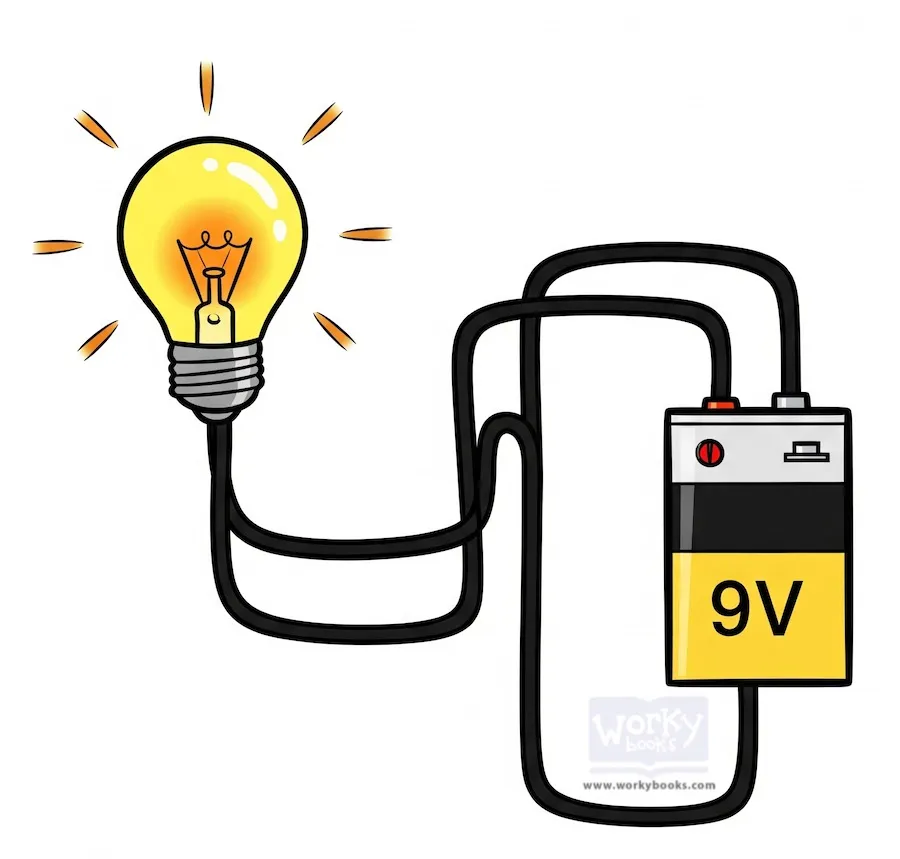
Electricity helps us every day, but it goes on a long journey before we can use it. Electrical energy transfer is the process of moving electricity from where it is made to where it is needed—like your home or school.
How Electricity Is Made
Electricity begins at a power plant. There, big machines spin magnets near wire coils. This spinning creates electricity. The energy to spin these machines can come from burning fuel (chemical energy), the wind, or the sun.
The Journey Through Power Lines
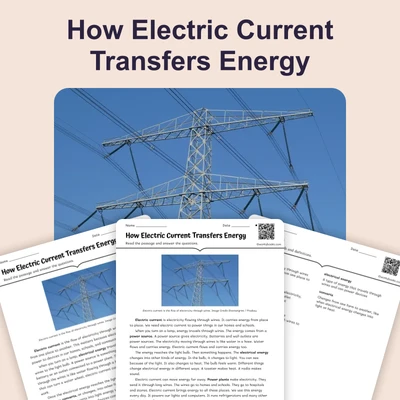
Once made, electricity travels through thick transmission lines on tall towers. These lines carry electricity at very high voltage, which helps it travel long distances without losing much energy.
Transformers Change Voltage
On its journey, electricity passes through transformers. These special machines can increase voltage for traveling far, or decrease it to make it safe for homes and schools.
Getting to Your Home
From the transmission lines, electricity moves to local power lines. These lines bring it to buildings. Inside the walls, wires carry electricity to outlets where you plug in your devices.
Energy Changes Along the Way
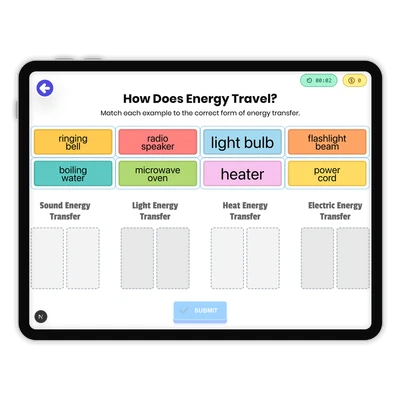
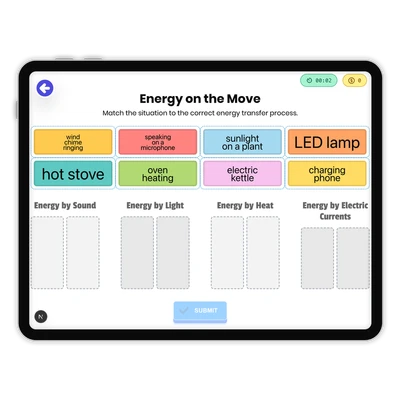
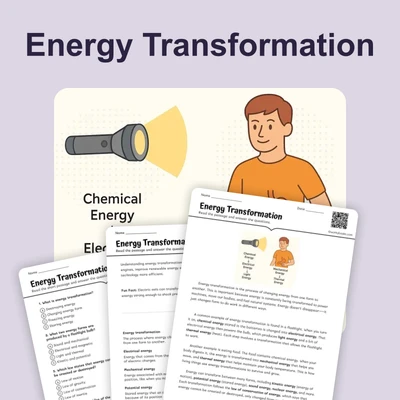
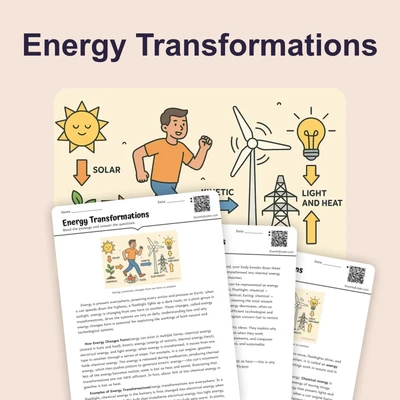
As electricity travels, it sometimes turns into other forms of energy. For example, in a lamp, electrical energy becomes light. In a toaster, it turns into heat. In a fan, it makes motion. In a speaker, it becomes sound. Not all energy is used—some is lost as heat along the way. That’s why power lines can hum or feel warm.
Why Wires Matter and Wireless Charging
Wires give electrons a path to flow, just like cars need roads to travel. Some devices use wireless charging. This uses magnetism to move energy short distances—no wires needed!
Safety
High-voltage lines are very dangerous! Never touch or go near fallen wires.
Comparing the Journey
Electrical energy transfer is like a relay race. Electricity is passed from the power plant, through wires and transformers, all the way to your house. Each part is important to keep the energy moving safely and quickly.
Interesting Fact: Some power lines can carry electricity for hundreds of miles without stopping!
Comprehension quiz (8 questions)
1. Where is electricity first made?
2. What do transformers do?
3. What do wires provide for electrons?
4. Why are transmission lines tall?
5. What happens to some energy during transfer?
6. What does electricity become in a lamp?
7. High-voltage lines are safe to touch.
8. Which word means 'a path for electricity'?
Perfect for the way you teach
- Build comprehension skills
- Auto-graded quiz
- Differentiated reading
- Read together at home
- Improve fluency
- Quiet reading time
- Reading curriculum support
- Independent practice
- Track Lexile growth