How Electric Current Transfers Energy
Interactive passage with audio narration, comprehension questions, and printable PDF.
By completing this purchase you agree to our Terms of Use and Privacy Policy. Your subscription renews automatically until you cancel. You can cancel anytime from your account settings. All sales are final and non-refundable. Digital content is available for download in your account immediately upon purchase.
What's included
How Electric Current Transfers Energy preview and details
About this printable How Electric Current Transfers Energy science reading passage, NGSS-aligned (Grades 3-5)
Sample passage and quiz from How Electric Current Transfers Energy
Reading passage and comprehension quiz preview
How Electric Current Transfers Energy
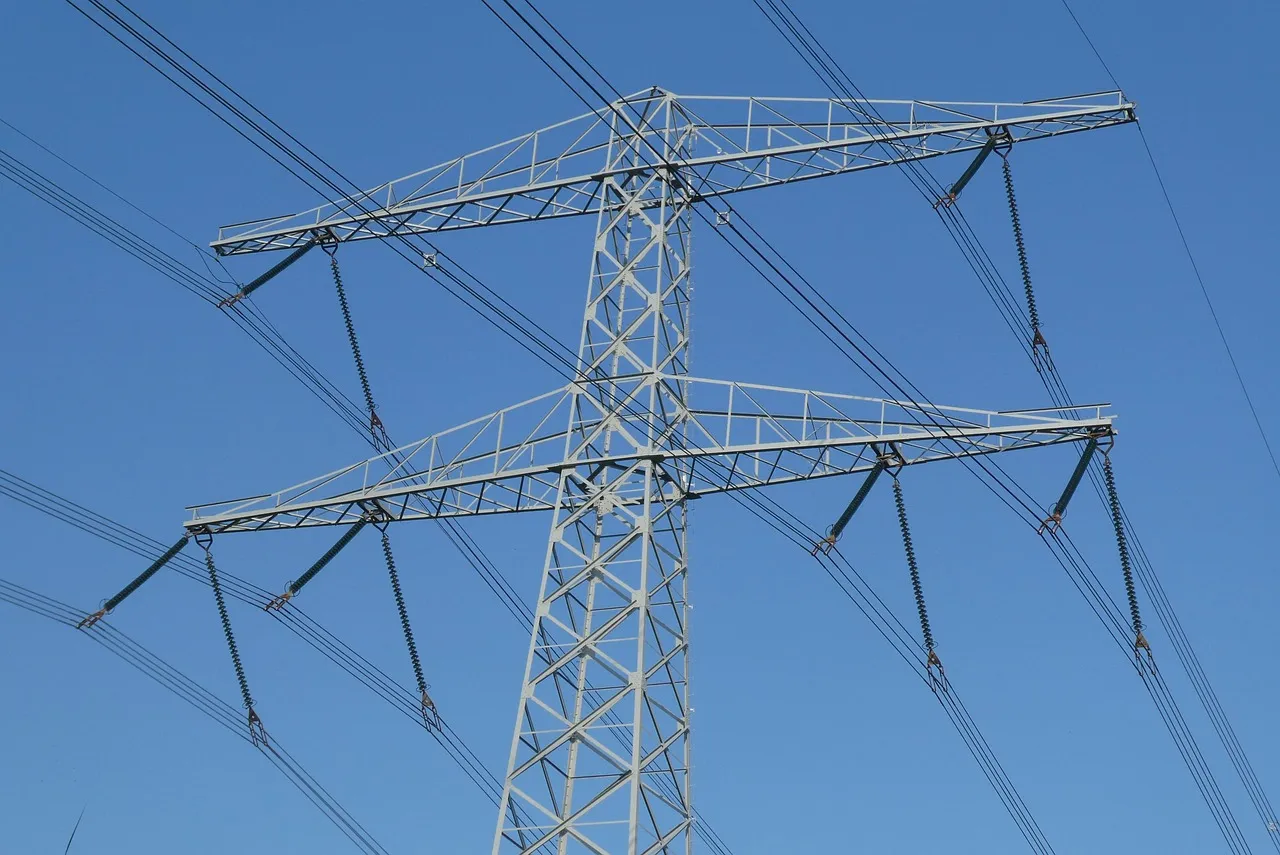
Electric current is the flow of electricity through wires. Image Credit Elsemargriet / Pixabay.
Electric current is the flow of electricity through wires, and it carries energy from one place to another. This matters because electric current is how we get power to devices in our homes, schools, and communities.
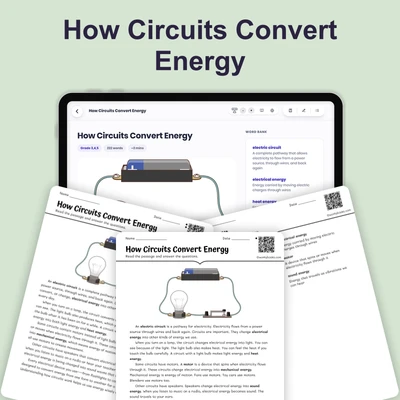
When you turn on a lamp, electrical energy travels from a power source through wires to the light bulb. A power source is something that provides electricity, like a battery or an outlet connected to a power plant. The electrical energy moving through the wires is like water flowing through a hose. Just as water carries energy that can turn a water wheel, electric current carries energy that can make things work.
Once the electrical energy reaches the light bulb, something important happens. The energy converts, or changes, into other forms of energy. In a light bulb, electrical energy converts into light energy that lets you see and heat energy that makes the bulb warm. Different devices convert electrical energy in different ways. A toaster converts it mostly to heat, while a radio converts it to sound.
Electric current is especially useful because it can transfer energy over long distances. Power plants generate electricity and send it through wires that stretch for many miles. These wires carry energy to homes, schools, hospitals, and businesses. Without electric current, we would not have lights, computers, refrigerators, or many other things we use every day.
Comprehension quiz (8 questions)
1. What is electric current?
2. What is a power source?
3. Where do power plants send electricity?
4. What happens to electrical energy in a bulb?
5. Why is electric current useful?
6. How does a toaster convert electrical energy?
7. Electric current carries energy through wires.
8. What does 'converts' mean in the passage?
Perfect for the way you teach
- Build comprehension skills
- Auto-graded quiz
- Differentiated reading
- Read together at home
- Improve fluency
- Quiet reading time
- Reading curriculum support
- Independent practice
- Track Lexile growth