Extinction: Past and Present — Reading Comprehension
Rate this|
11
Premium Resource
Present
Present in classroom. No work saved
Assign
Classroom with student accounts, Track progress
Quick Play
No student accounts, assign with a link
Grades
5
6
7
8
Standards
MS-LS4-1
MS-LS2-5
PRINT+DIGITAL RESOURCE
This learning resource is available in interactive and printable formats. The interactive worksheet can be played online and assigned to students. The Printable PDF version can be downloaded and printed for completion by hand.
This comprehensive reading passage for grades 6-8 explores the concept of extinction, its causes, and its impact on life on Earth. Students will learn about background extinction rates, the five major mass extinctions, and the role of environmental change, competition, disease, and human activity in causing species to disappear. Real-world examples like the extinction of the thylacine and golden toad, as well as current endangered species, connect the content to pressing biodiversity issues. The passage encourages scientific thinking by explaining how scientists study extinction and why preventing it is crucial for ecosystem health and human benefit. Activities include a reading comprehension quiz, writing prompts, and graphic organizers aligned with NGSS MS-LS4-1 and MS-LS2-5. Audio integration supports diverse learners. Ideal for middle school science classrooms.
CONTENT PREVIEW
Expand content preview
Extinction: Past and Present
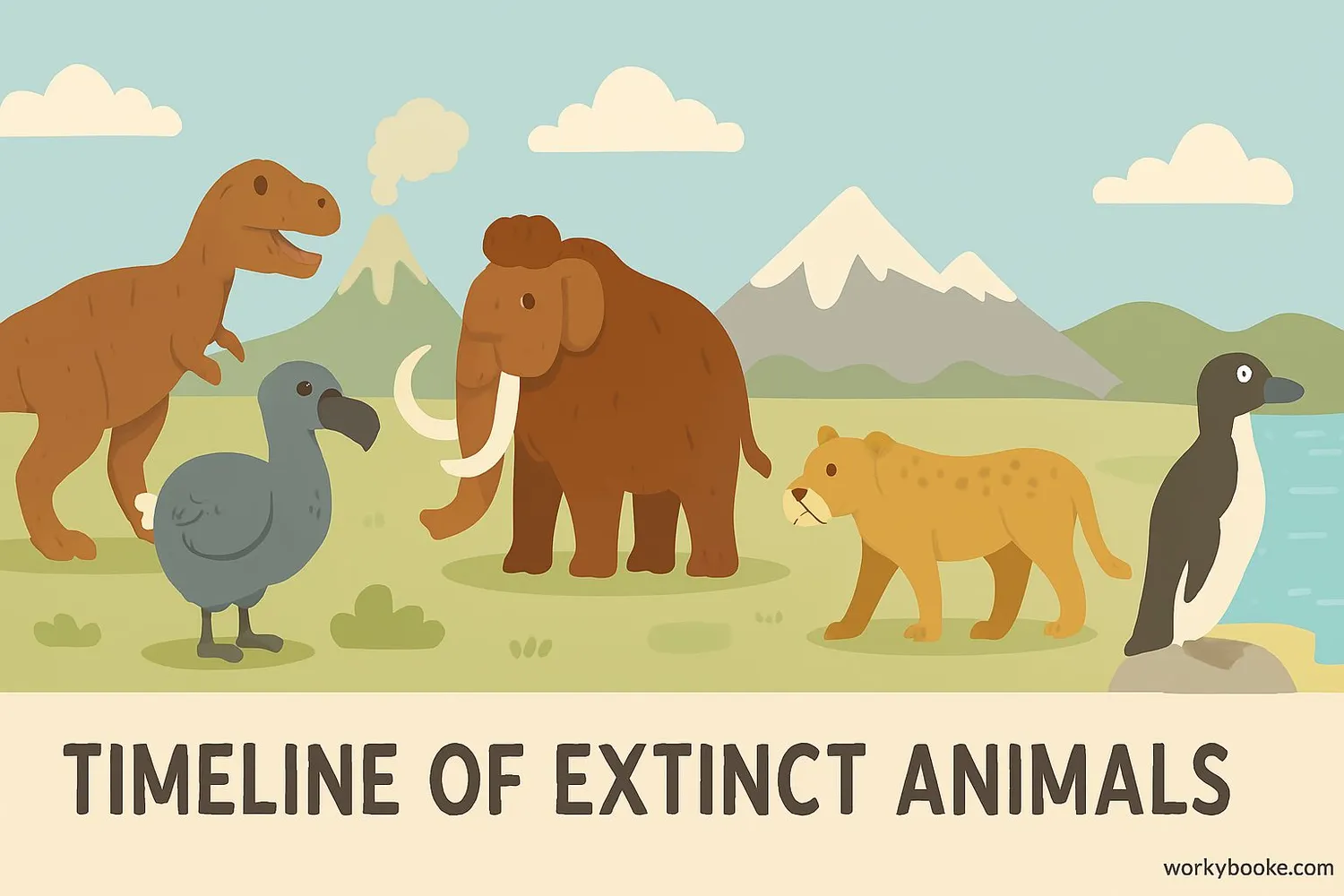
Extinction is the complete disappearance of a species from Earth. Scientists have identified extinction as a key process that has shaped life throughout Earth's history. Over millions of years, countless species have vanished, while new ones have evolved. Today, scientists use evidence from fossils and genetic studies to understand the causes and patterns of extinction. These studies reveal that extinction is not just a thing of the past—it is a process still happening today, often at an accelerated rate.
How Extinction Happens
The normal, slow rate at which species go extinct is called the background extinction rate. This rate is usually balanced by the formation of new species. However, sometimes extinction rates rise sharply during events known as mass extinctions. Scientists have identified five major mass extinction events, including the Permian extinction, which wiped out over 90% of marine life, and the Cretaceous extinction, which led to the disappearance of the dinosaurs about 66 million years ago. Causes of extinction can include drastic environmental changes such as volcanic eruptions, asteroid impacts, climate shifts, and competition with other species. Disease and the loss of habitat also play important roles. By analyzing rock layers and fossil records, scientists can trace how these factors contributed to waves of extinction across time.
Extinction in the Modern World
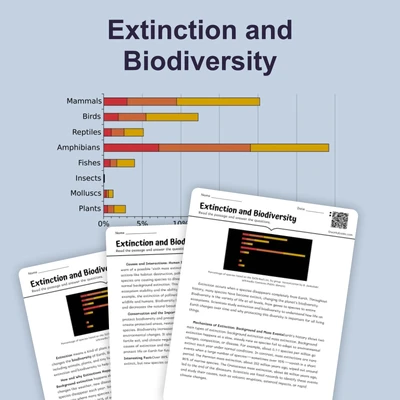
Today, the rate of extinction is 100 to 1,000 times higher than the background rate—a situation scientists call the biodiversity crisis or the "sixth mass extinction." Many species are threatened by human activities like deforestation, pollution, overhunting, and climate change. Recently extinct species include the thylacine, a striped marsupial from Australia; the golden toad of Costa Rica; and the Baiji dolphin from China. Scientists monitor endangered species and use data to predict which ones are at risk. Preserving biodiversity is crucial because each species plays a role in its ecosystem, contributing to functions like pollination, nutrient cycling, and food webs. Losing species can upset these systems and even affect humans by reducing potential medicines, crops, or ecosystem services.
The Importance of Preventing Extinction
Preventing extinction matters for many reasons. Every species has intrinsic value and may provide benefits to humans or ecosystems that we do not yet understand. Conservation efforts, like protecting habitats and endangered species, help maintain the stability and resilience of ecosystems. Scientists and policymakers work together to reduce threats and restore populations, using technology, laws, and education. Understanding extinction helps us see our role as part of Earth's interconnected web of life and encourages responsible stewardship of the planet.
Interesting Fact: About 99% of all species that have ever lived on Earth are now extinct, showing how life is constantly changing and evolving.
What is extinction?
The complete disappearance of a species from EarthWhen a species moves to a new locationThe process of a species adapting to its environmentWhen a species changes its diet
What does the term 'background extinction rate' mean?
The slow, ordinary rate at which species go extinctThe number of new species formed each yearThe number of extinctions caused by humansAnother name for mass extinction
Which event caused the extinction of the dinosaurs?
The Permian extinctionThe Cretaceous extinctionThe Ice Age extinctionThe Cambrian explosion
What is an ecosystem?
A group of living things and their physical environmentA type of extinct animalA natural disasterA period of climate change
Which of the following is NOT a cause of extinction mentioned in the passage?
DiseaseHabitat lossCompetitionPhotosynthesis
What does 'biodiversity crisis' mean as used in the passage?
A time when there are too many speciesA period of unusually high extinction ratesA type of mass extinction that only affects plantsA new species being discovered
Why is preventing extinction important according to the passage?
Every species has value and helps ecosystemsIt allows more mass extinctions to happenIt increases background extinction ratesIt reduces competition among animals
How do scientists study extinction?
By analyzing fossils and genetic evidenceBy creating new species in labsBy observing only living animalsBy guessing based on stories
True or False: The thylacine, golden toad, and Baiji dolphin are all recently extinct species.
TrueFalse
True or False: Mass extinctions have only happened once in Earth's history.
TrueFalse
Perfect For:
👩🏫 Teachers
• Reading comprehension practice
• Auto-graded assessments
• Literacy skill development
👨👩👧👦 Parents
• Reading practice at home
• Comprehension improvement
• Educational reading time
🏠 Homeschoolers
• Reading curriculum support
• Independent reading practice
• Progress monitoring
Reading Features:
📖
Reading Passage
Engaging fiction or nonfiction text
❓
Comprehension Quiz
Auto-graded questions
📊
Instant Feedback
Immediate results and scoring
📄
Printable Version
Download for offline reading
🔊
Read Aloud
Voice-over with word highlighting
Reviews & Ratings
No reviews yet. Be the first to share your experience!
Related Content
How Rainforests Help the Planet
This NGSS-aligned reading passage for middle school students explains how rainforests help regulate Earth’s climate and ...
MS-ESS2-6MS-LS2-5
Understanding the Koppen Climate Classification System
This NGSS-aligned science reading passage explains the Köppen Climate Classification System, a scientific method used to...
MS-ESS2-6MS-LS2-5
Human Impacts: Invasive Species
This passage explores the science behind invasive species—non-native organisms that harm native ecosystems. Aligned to N...
MS-LS2-4MS-LS2-5
Human Impacts: Habitat Destruction
This grade 6-8 science passage explores human impacts on ecosystems, focusing on habitat destruction as the leading caus...
MS-LS2-4MS-LS2-5MS-ESS3-3
What Is Biodiversity?
This comprehensive science reading passage for grades 6-8 introduces students to biodiversity and explores its importanc...
MS-LS2-5MS-LS4-4
Biodiversity and Ecosystem Health
This comprehensive middle school science passage explores the relationship between biodiversity and ecosystem health, al...
MS-LS2-5
Ecosystem Services
This engaging middle school science passage introduces students to the concept of ecosystem services, the vital benefits...
MS-LS2-5MS-ESS3-3
Human Impacts: Overexploitation
This middle school science passage aligns with NGSS standards MS-LS2-4 and MS-LS2-5, focusing on human impacts through o...
MS-LS2-4MS-LS2-5
Conservation Strategies
This comprehensive passage introduces students in grades 6-8 to the major strategies used in conservation biology, such ...
MS-LS2-5MS-ESS3-4
Endangered Species and the Sixth Extinction
This engaging science reading passage for grades 6-8 explores the current biodiversity crisis, known as the 'Sixth Extin...
MS-LS4-1MS-LS2-5
Biodiversity and Its Importance
This comprehensive middle school science passage explores the concept of biodiversity at the genetic, species, and ecosy...
MS-LS4-4MS-LS2-5
Human Evolution
This middle school science passage explains the scientific evidence for human evolution, aligning with NGSS standards MS...
MS-LS4-1MS-LS4-2
Extinction and Biodiversity
This comprehensive middle school science passage explores the concepts of extinction and biodiversity, aligned to NGSS s...
MS-LS4-1MS-LS4-4
Evidence for Evolution: The Fossil Record
This middle school science passage explains the importance of fossils as preserved evidence of ancient life and their ro...
MS-LS4-1
Theory of Evolution
This middle school science passage explains the theory of evolution and the concept of common ancestry, aligning with NG...
MS-LS4-1MS-LS4-2
Fossils: Evidence of Past Life
This comprehensive informational passage introduces middle school students to the fascinating world of fossils, in align...
MS-ESS1-4MS-LS4-1
Types of Fossils and Preservation
This engaging informational passage for grades 6-8 explores the different types of fossils and the natural processes tha...
MS-ESS1-4MS-LS4-1
Reading the Fossil Record
This engaging middle school science passage explores how scientists interpret the fossil record to reveal Earth's histor...
MS-ESS1-4MS-LS4-1MS-ESS2-3
History of Life on Earth
This comprehensive middle school science reading passage provides an engaging overview of the history of life on Earth, ...