How Earth Systems Show Repeating Patterns
Interactive passage with audio narration, comprehension questions, and printable PDF.
By completing this purchase you agree to our Terms of Use and Privacy Policy. Your subscription renews automatically until you cancel. You can cancel anytime from your account settings. All sales are final and non-refundable. Digital content is available for download in your account immediately upon purchase.
What's included
How Earth Systems Show Repeating Patterns preview and details
About this printable How Earth Systems Show Repeating Patterns science reading passage, NGSS-aligned (Grades 6-8)
Sample passage and quiz from How Earth Systems Show Repeating Patterns
Reading passage and comprehension quiz preview
How Earth Systems Show Repeating Patterns
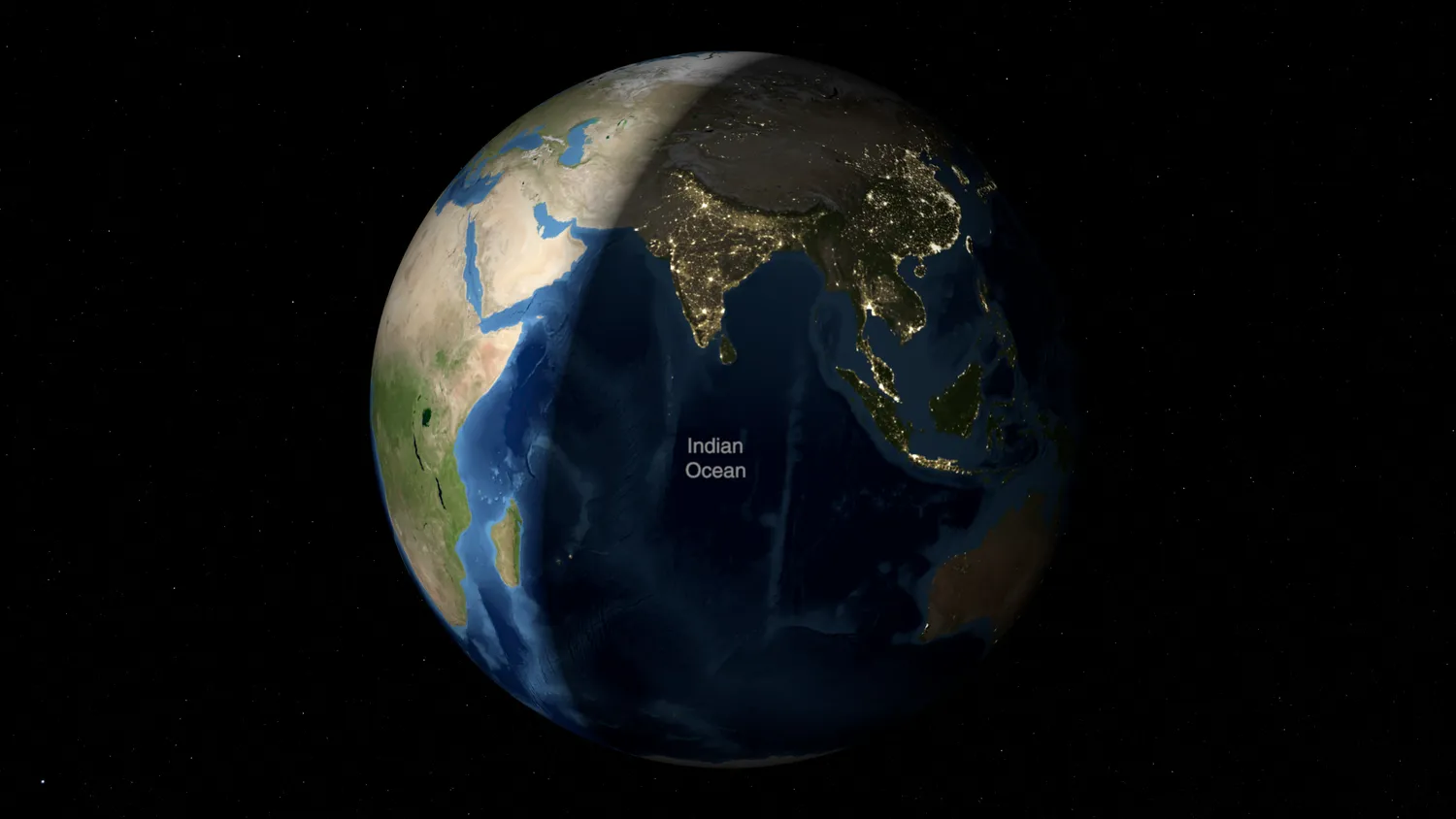
"SOS - Day-Night cycle with Blue Marble and Black Marble Nightlights (SVS5477 - day-night KSC SOS stills 00297)" by NASA's Scientific Visualization Studio - USRA/Kel Elkins, University of Maryland/Zhuosen Wang, Leidos/Miguel Román, SSAI/Ranjay Shrestha, USRA/Srija Chakraborty, NASA/Virginia Kalb / Wikimedia Commons
Earth systems follow repeating patterns that occur in predictable cycles. A pattern is a regular and repeated way that something happens. Scientists study these patterns to understand how Earth works and to predict future changes. Three important examples of Earth system patterns are seasons, erosion cycles, and ocean currents.
Seasons follow a yearly pattern caused by Earth's tilt. Earth rotates on an axis, an imaginary line running through the North and South Poles. This axis is tilted at 23.5 degrees compared to Earth's path around the sun. As Earth orbits the sun, different parts of the planet receive different amounts of sunlight during the year. When the Northern Hemisphere tilts toward the sun, it experiences summer because sunlight hits more directly and days are longer. At the same time, the Southern Hemisphere tilts away from the sun and experiences winter. Six months later, the pattern reverses. This tilt creates the same seasonal pattern every year, repeating endlessly as Earth continues its orbit.
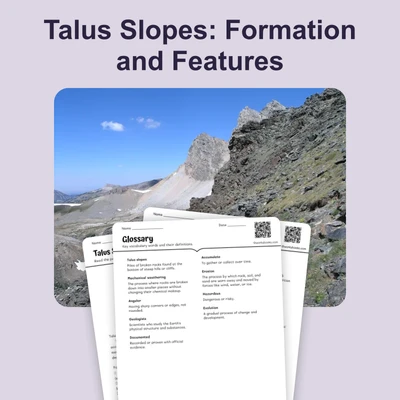
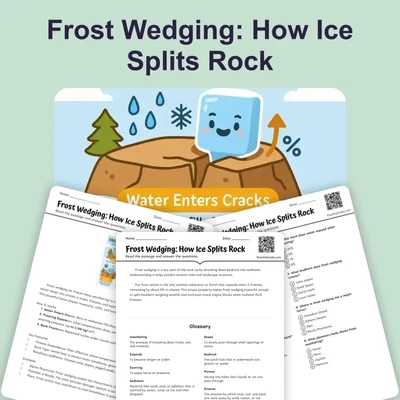
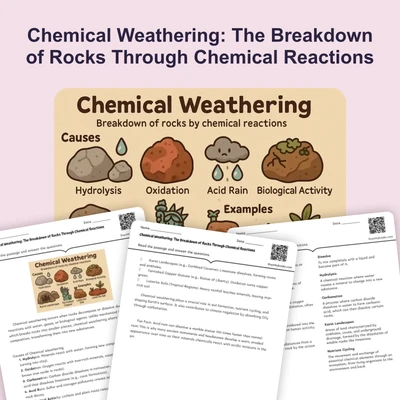
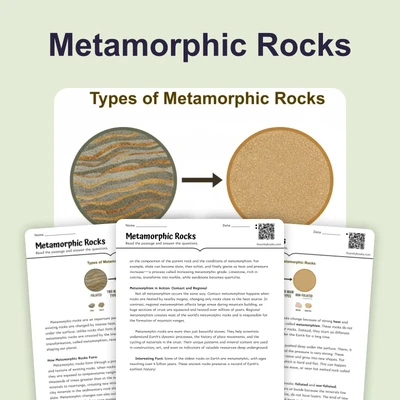
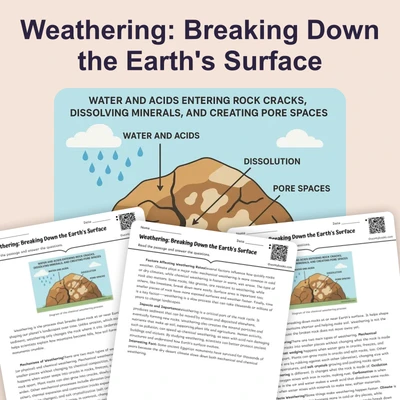
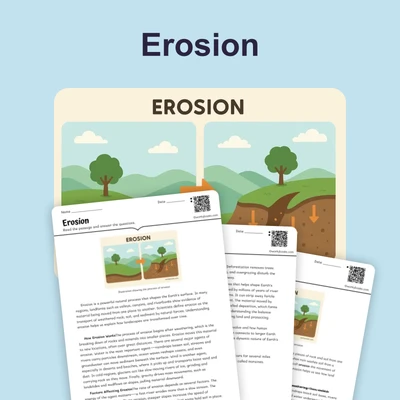
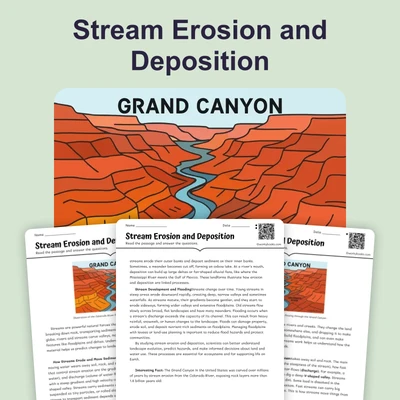
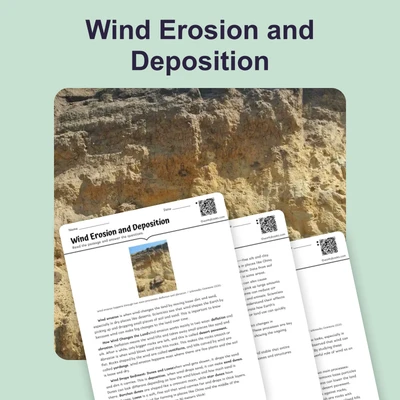
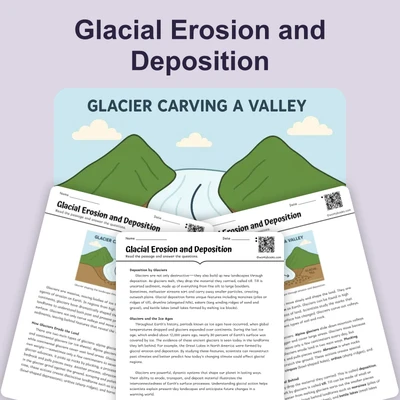
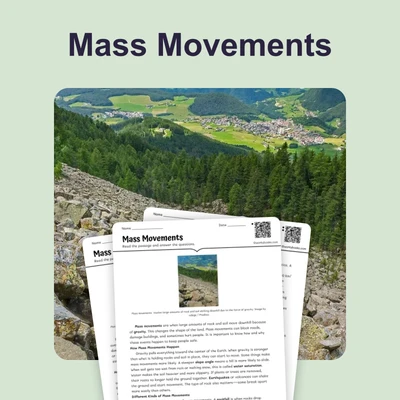
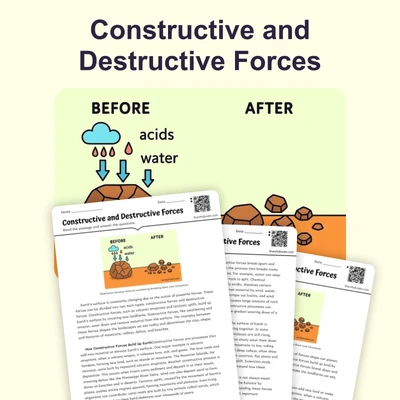
Erosion cycles also follow predictable patterns. Erosion is the process of moving weathered rock and soil from one place to another. Weathering breaks down rocks into smaller pieces through wind, water, ice, and temperature changes. Once weathered, these materials are transported by water, wind, or ice to new locations where they are deposited. Over time, deposited sediments build up in layers and can form new rock through pressure and cementing. Eventually, these rocks are exposed at Earth's surface and the cycle begins again. This pattern of weathering, erosion, transport, deposition, and rock formation repeats continuously, reshaping Earth's surface over millions of years.
Ocean currents create large-scale patterns of water movement. Ocean currents are continuous flows of water in consistent directions. Surface currents are driven mainly by wind patterns that blow consistently across the ocean. The Coriolis effect, caused by Earth's rotation, deflects these currents to the right in the Northern Hemisphere and to the left in the Southern Hemisphere. This creates circular patterns called gyres. For example, the North Atlantic Gyre moves clockwise, carrying warm water from the equator toward Europe and cold water from the Arctic back toward the equator. These current patterns remain stable year after year because the wind patterns and Earth's rotation that drive them are consistent.
All these patterns share common causes. Energy from the sun drives weather patterns, erosion, and ocean currents. Earth's rotation affects wind patterns and ocean currents through the Coriolis effect. Earth's tilt and orbit create seasonal patterns. Because these underlying forces remain constant, the patterns they create repeat predictably. Understanding these patterns helps scientists predict weather, climate changes, and how Earth's surface will change over time. The patterns also affect where people live, what crops they can grow, and how they plan for natural events like storms and droughts.
Recognizing patterns in Earth systems is a fundamental skill in science. When scientists observe that something happens the same way repeatedly, they can develop explanations for why it occurs. They can test these explanations by predicting what will happen next and checking if their predictions are correct. This process of identifying patterns, explaining them, and making predictions is central to understanding how Earth works as an interconnected system.
Interesting Fact: The Gulf Stream, a powerful ocean current in the North Atlantic, moves at speeds up to 5.6 miles per hour and transports more water than all of Earth's rivers combined, yet it follows the same predictable path year after year.
Comprehension quiz (10 questions)
1. What causes the seasonal pattern on Earth?
2. According to the passage, what is weathering?
3. What is the main cause of surface ocean currents?
4. In the context of the passage, what does the word 'axis' mean?
5. What does the Coriolis effect do to ocean currents in the Northern Hemisphere?
6. Based on the passage, why do Earth system patterns repeat predictably?
7. If you wanted to predict future erosion patterns in a region, which information from the passage would be most helpful?
8. How might understanding ocean current patterns help people plan where to live?
9. True or False: When it is summer in the Northern Hemisphere, it is also summer in the Southern Hemisphere.
10. True or False: The erosion cycle includes weathering, transport, deposition, and rock formation.
Perfect for the way you teach
- Build comprehension skills
- Auto-graded quiz
- Differentiated reading
- Read together at home
- Improve fluency
- Quiet reading time
- Reading curriculum support
- Independent practice
- Track Lexile growth