How Pottery Changed Daily Life
Interactive passage with audio narration, comprehension questions, and printable PDF.
What's included
Part of this bundle

How Pottery Changed Daily Life preview and details
About this printable How Pottery Changed Daily Life reading passage (Grades 6-8)
Sample passage and quiz from How Pottery Changed Daily Life
Reading passage and comprehension quiz preview
How Pottery Changed Daily Life
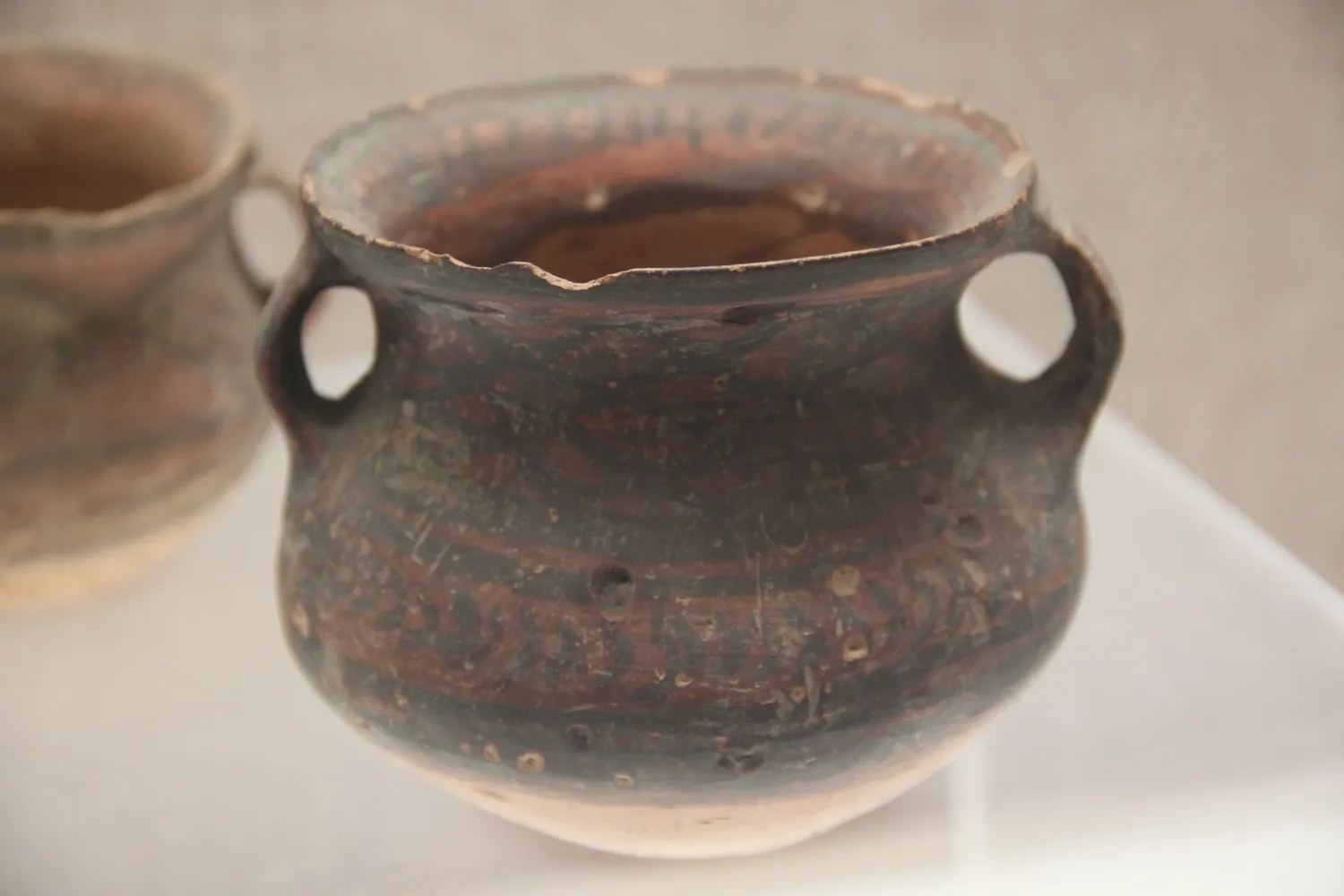
"Neolithic Pottery 08" by Gary Todd /
Source: Wikimedia Commons (CC0).
Early humans faced a constant struggle to store and protect their food. As people transitioned from hunter-gatherer societies to settled farming communities during the Neolithic era, they needed new ways to keep surplus grain and other foods safe from pests, moisture, and spoilage. The invention of pottery was a crucial technological development that helped solve this problem and changed human history.
The first pottery containers appeared around 9000 BCE in East Asia, according to archaeological evidence. These early pots were made by shaping clay into vessels and firing them in open fires or simple kilns. At sites like Xianrendong Cave in China, some of the world’s oldest pottery shards have been found. In the Middle East, by about 7000 BCE, communities such as Çatalhöyük in present-day Turkey were using clay pots to store grain, water, and cooked food. Pottery allowed farmers to protect their harvest from rodents and insects, which was essential for survival.
Pottery was not just about food storage. It also represented a major advancement in technology and craftsmanship. Making pottery required knowledge of local resources, such as the right type of clay, and skill in shaping and firing vessels. Potters experimented with different shapes and decorations, as seen in the painted ceramics of the Banpo culture in China (circa 5000 BCE). Over time, pottery styles and techniques spread across regions through cultural diffusion, as people traded goods and shared ideas with neighboring communities.
The impact of pottery on daily life was significant. Sturdy clay jars enabled families to store extra grain from one harvest to the next, helping them survive bad seasons or droughts. Food could be cooked and preserved in pots for longer periods. This, in turn, supported larger, more permanent settlements and new forms of social organization. Pottery even became a symbol of status—some families owned finely decorated vessels that showed their wealth or importance in society. Archaeologists often find pottery fragments at ancient sites, which provide clues about what people ate, how they lived, and how their cultures changed over time.
The invention of pottery was a turning point in human history. It allowed early farmers to store and manage food in ways that hunter-gatherers could not, supporting population growth and the rise of villages and cities. Pottery is one example of how human innovation and adaptation helped shape civilization.
This story of pottery connects to the broader theme of technological change and its impact on society—a theme that appears again and again throughout ancient and world history.
Interesting Fact: The oldest known pottery pieces are over 18,000 years old and were discovered in southern China’s Xianrendong Cave.
Comprehension quiz (8 questions)
1. Where did the oldest pottery appear?
2. What problem did pottery solve?
3. Which site is in Turkey?
4. How did pottery impact daily life?
5. Why did pottery support permanent settlements?
6. What is cultural diffusion?
7. Pottery helped preserve food. True or false?
8. What does 'innovation' mean?
Perfect for the way you teach
- Build comprehension skills
- Auto-graded quiz
- Differentiated reading
- Read together at home
- Improve fluency
- Quiet reading time
- Reading curriculum support
- Independent practice
- Track Lexile growth