How Precipitation Returns Water β Reading Comprehension
Rate this
Premium Resource
Present
Present in classroom. No work saved
Assign
Classroom with student accounts, Track progress
Quick Play
No student accounts, assign with a link
Grades
6
7
8
Standards
MS-ESS2-4
PRINT+DIGITAL RESOURCE
This learning resource is available in interactive and printable formats. The interactive worksheet can be played online and assigned to students. The Printable PDF version can be downloaded and printed for completion by hand.
This comprehensive middle school science reading passage examines how precipitation returns water to Earth's surface and redistributes it across landscapes. Aligned with NGSS standard MS-ESS2-4, the passage explains how condensed water droplets combine in clouds and fall as rain, snow, sleet, or hail. Students explore the process of precipitation formation, different types of precipitation, and how this process feeds both surface water systems like rivers and lakes, and underground groundwater reserves. The passage includes real-world examples, key vocabulary definitions, and connections to Earth's water distribution systems. Audio-integrated features support diverse learners, while differentiated versions ensure accessibility for all students. The content emphasizes the critical role precipitation plays in moving water from the atmosphere back to Earth's surface, maintaining the continuous water cycle that sustains life on our planet.
CONTENT PREVIEW
Expand content preview
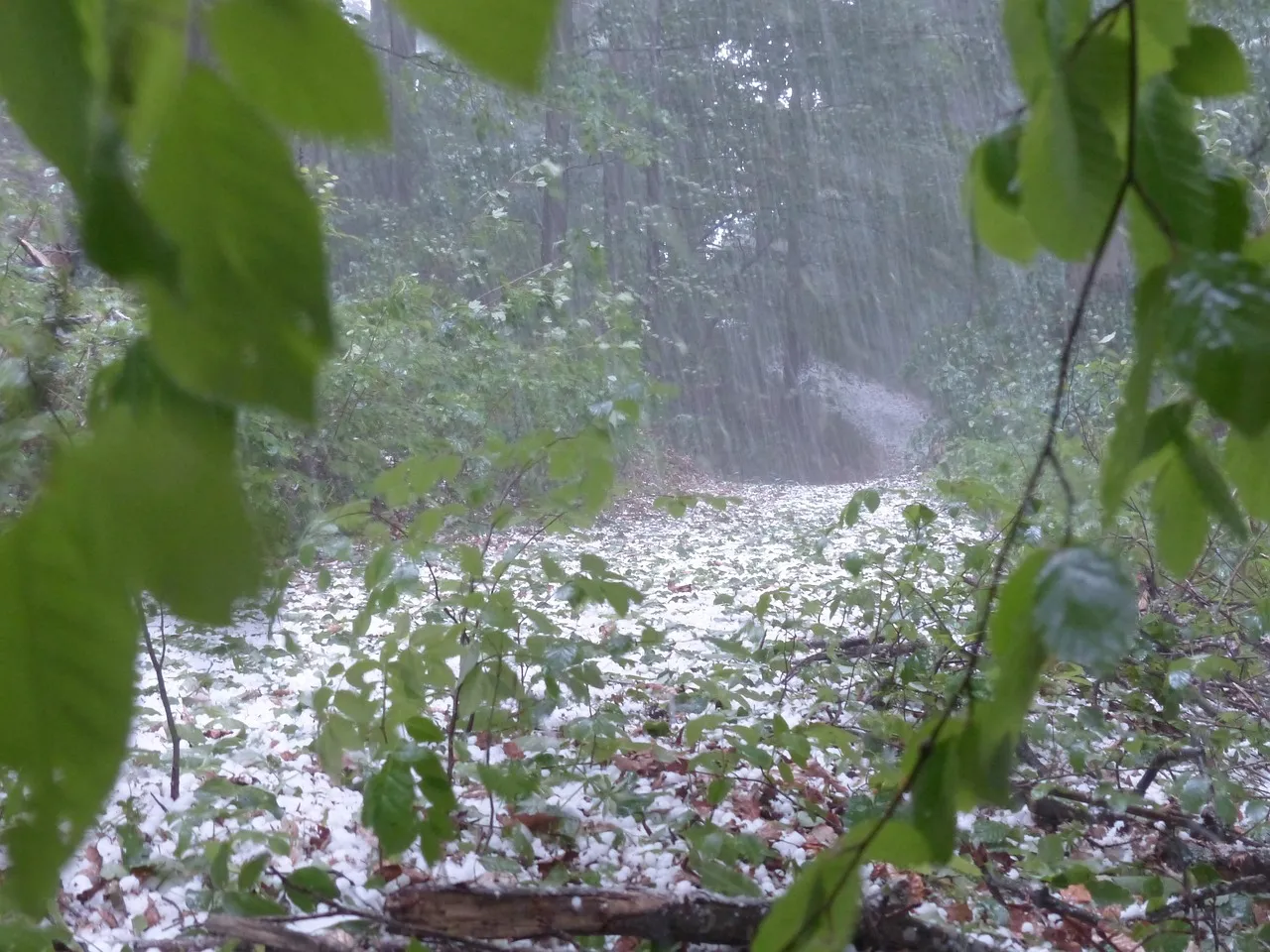
The form that precipitation takes depends on the temperature of the air through which it falls. Image by Hans / Pixabay.
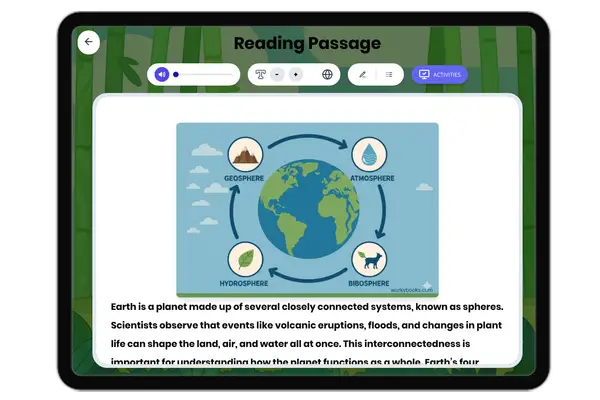
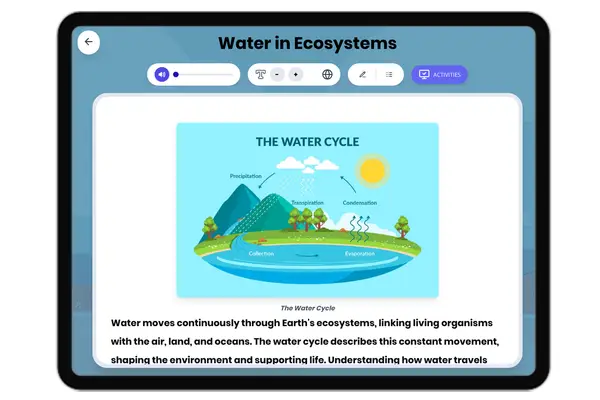
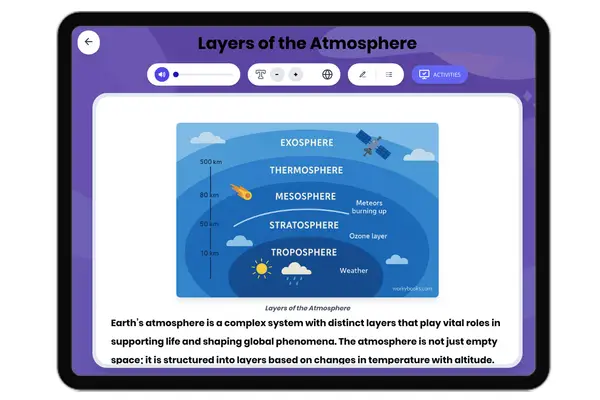
Water that evaporates from oceans, lakes, and land surfaces rises into the atmosphere, where it cools and condenses into tiny droplets that form clouds. Precipitation is the process by which water falls from clouds back to Earth's surface. This process completes a critical step in the water cycle, returning water from the atmosphere to the land and oceans below.
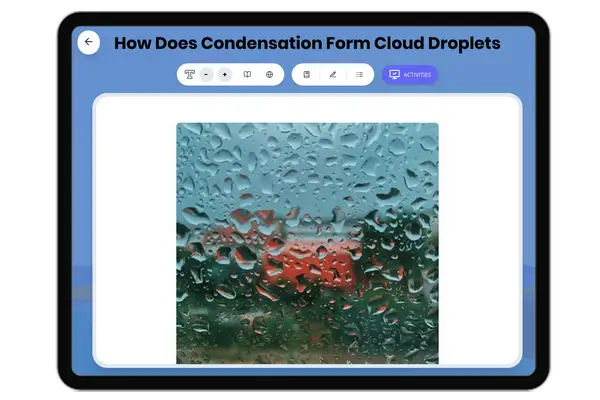
Inside clouds, water droplets are extremely small, measuring only about 0.02 millimeters in diameter. These tiny droplets remain suspended in the air because they are so light. However, as water vapor continues to condense onto existing droplets, they grow larger and heavier. When droplets collide with each other inside the cloud, they merge together in a process called coalescence. Eventually, the droplets become too heavy for air currents to support them, and gravity pulls them downward as precipitation.
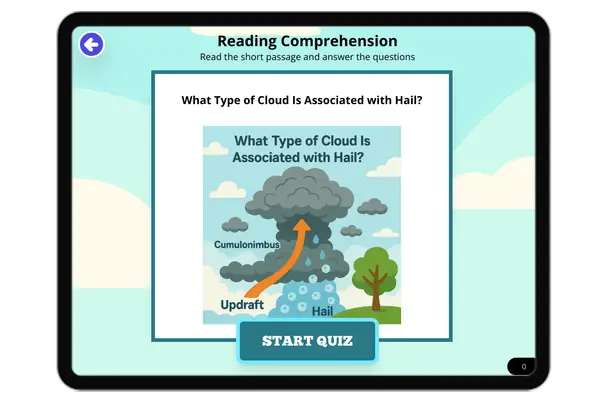
The form that precipitation takes depends on the temperature of the air through which it falls. Rain forms when water droplets fall through air that remains above freezing temperature from the cloud to the ground. If the air temperature is below freezing throughout the atmosphere, water vapor freezes directly into ice crystals, which combine to form snow. Sleet occurs when raindrops fall through a layer of freezing air near the ground and freeze into ice pellets before reaching the surface. Hail forms during powerful thunderstorms when ice particles are carried upward repeatedly by strong winds, adding layers of ice until they become heavy enough to fall.
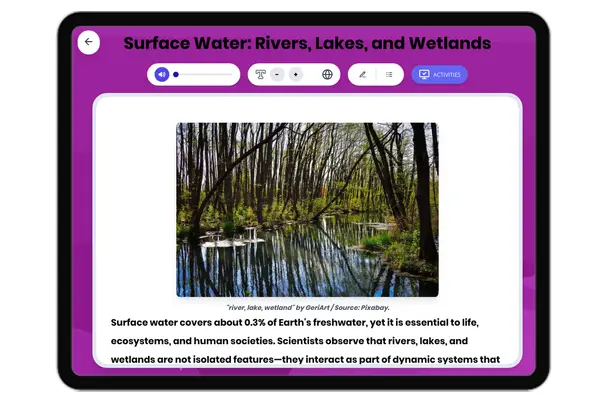
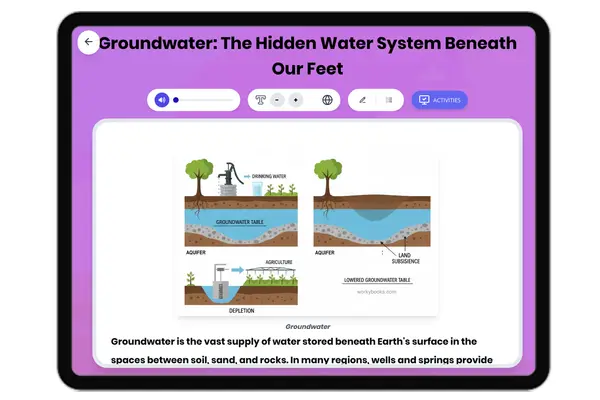
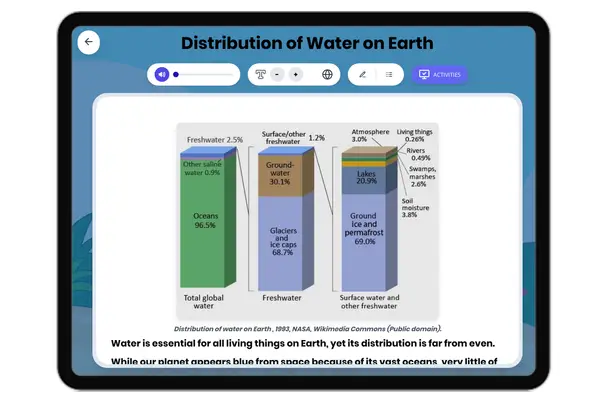
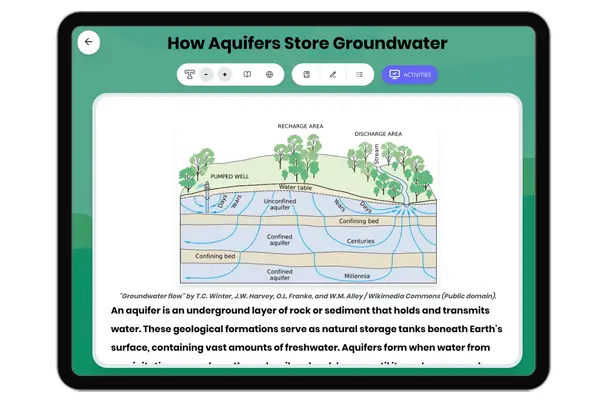
Once precipitation reaches Earth's surface, it redistributes water across different landscapes and environments. Some precipitation flows across the land as runoff, feeding streams and rivers that eventually carry water to lakes and oceans. This surface water provides drinking water for communities and habitats for aquatic organisms. Other precipitation soaks into the soil through a process called infiltration. This water may be absorbed by plant roots or continue moving downward through soil and rock layers until it reaches underground storage areas called aquifers. These groundwater reserves supply wells and springs, providing water during dry periods when precipitation is scarce.
The distribution of precipitation varies greatly across Earth's surface, creating diverse environments and ecosystems. Mountain ranges receive heavy precipitation because air rises and cools as it moves over peaks, causing water vapor to condense rapidly. Coastal regions often receive more precipitation than inland areas because they are closer to moisture sources like oceans. Desert regions receive very little precipitation, sometimes less than 25 centimeters per year, while tropical rainforests may receive over 200 centimeters annually. These differences in precipitation patterns determine what types of plants and animals can survive in different regions.
Understanding precipitation is essential for managing water resources and predicting weather patterns. Scientists measure precipitation amounts to track drought conditions, forecast floods, and plan water storage in reservoirs. Precipitation data helps farmers decide when to plant crops and helps cities plan their water supply systems. Climate scientists study long-term precipitation patterns to understand how Earth's water cycle is changing over time.
Interesting Fact: A single raindrop contains approximately one million cloud droplets that have combined together. The largest raindrops ever measured were about 8.8 millimeters in diameter, roughly the size of a small grape.
What is precipitation?
Water that falls from clouds back to Earth's surfaceWater that evaporates from oceans and lakesTiny droplets that form clouds in the atmosphereUnderground water stored in rock layers
What happens during coalescence?
Water evaporates from the oceanSmall water droplets combine to form larger dropletsIce crystals melt into liquid waterWater soaks into the soil
How does sleet form?
Water vapor freezes directly into ice crystalsIce particles are lifted repeatedly in thunderstormsRaindrops freeze while falling through cold air near the groundWater droplets fall through warm air to the surface
What is the term for water that flows over land into streams and rivers?
InfiltrationCoalescencePrecipitationRunoff
According to the passage, what determines the form that precipitation takes?
The size of the water droplets in the cloudThe temperature of the air through which it fallsThe amount of wind in the atmosphereThe location where the precipitation occurs
What are aquifers?
Rivers that carry water to oceansClouds that contain water dropletsUnderground storage areas for groundwaterSurface water systems like lakes
Why do mountain ranges receive heavy precipitation?
They are located near the oceanAir rises and cools as it moves over peaks, causing condensationThey have more clouds than other areasThey receive more sunlight than other regions
How does precipitation help redistribute water across Earth's surface?
By creating new water molecules in the atmosphereBy feeding surface water systems and groundwater through runoff and infiltrationBy evaporating water from one location to anotherBy storing all water in underground aquifers
True or False: Water droplets in clouds are large enough to fall immediately as precipitation.
TrueFalse
True or False: Desert regions receive less than 25 centimeters of precipitation per year.