This learning resource is available in interactive and printable formats. The interactive worksheet can be played online and assigned to students. The Printable PDF version can be downloaded and printed for completion by hand.
This rigorous history reading passage explores the life of Margot Frank, Anne Frank’s older sister, and her experiences during World War II. The passage provides a detailed look at Margot's background, her family's life under Nazi occupation in Amsterdam, and the challenges faced by Jewish families during the Holocaust. Students will analyze primary sources, such as diary entries and letters, and understand the impact of historical events on daily life. The passage connects personal stories to broader historical themes, emphasizing cause-and-effect, continuity and change, and social hierarchies. Activities include comprehension questions, writing prompts, graphic organizers, and a timeline, all aligned with the CA HSS Framework and ELA Common Core standards. Spanish translations and read aloud audio support inclusive learning. This resource is ideal for students, teachers, and anyone interested in world history and the Holocaust.
CONTENT PREVIEW
Expand content preview
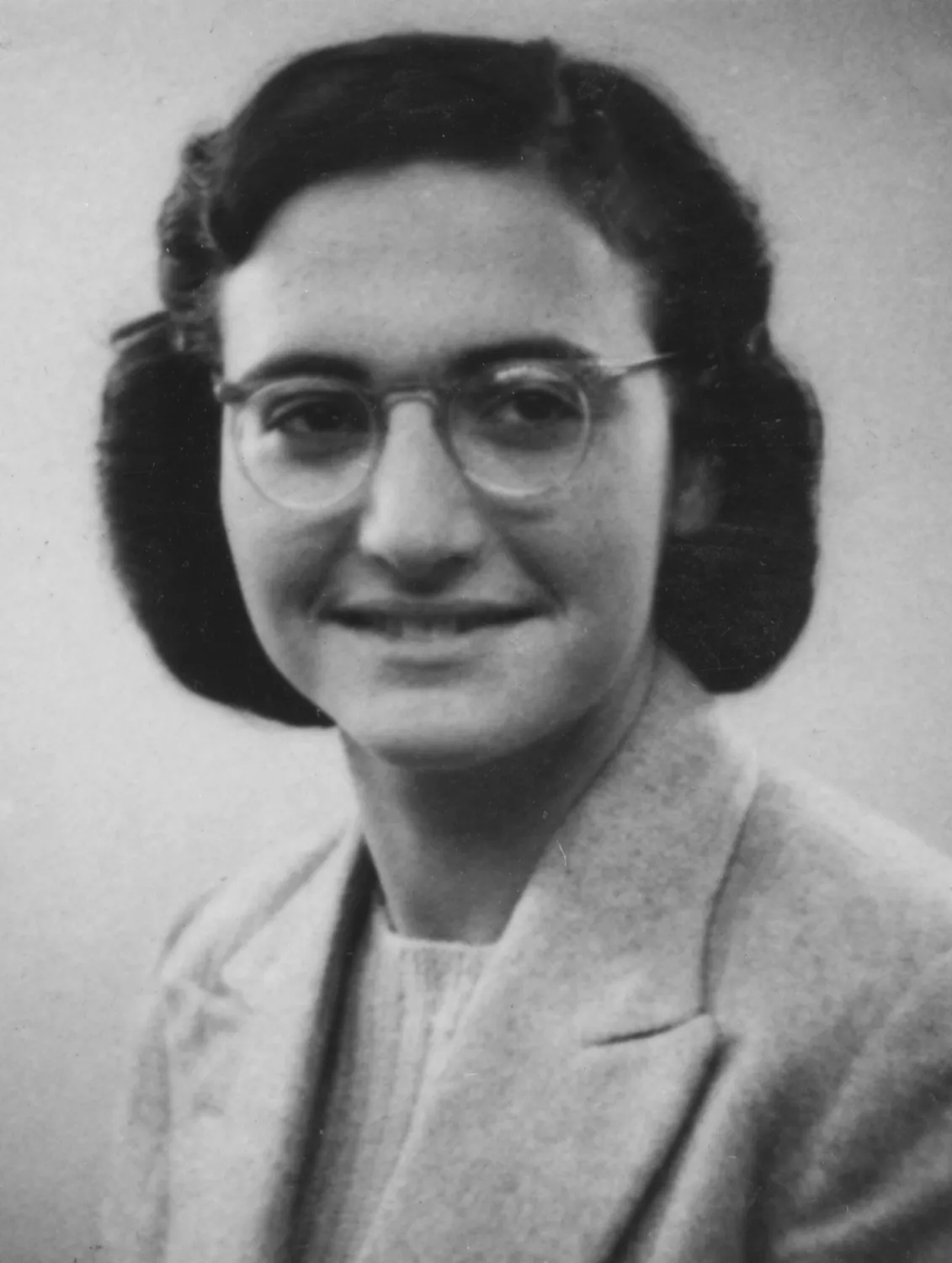
"Margot Frank" by Photo Collection Anne Frank House / Wikimedia Commons (Public domain).
Margot Frank was born in Frankfurt, Germany, on February 16, 1926. As the older sister of Anne Frank, Margot's story is often overshadowed, yet she played a vital role in her family’s experiences during World War II. The Frank family, who were Jewish, faced increasing persecution after Adolf Hitler and the Nazis came to power in Germany in 1933. To escape discrimination and violence, they moved to Amsterdam in the Netherlands.
Margot quickly adjusted to life in Amsterdam, attending a lyceum (a type of secondary school) and excelling in her studies. She was known for her discipline, intelligence, and quiet nature. Letters from Margot to friends and family show her deep concern for her relatives left behind in Germany and her desire for a peaceful life. However, in May 1940, the Nazis invaded the Netherlands, and new restrictions were placed on Jewish people. They could not attend regular schools, visit parks, or ride bicycles. Margot and Anne both attended the Jewish Lyceum, a school created solely for Jewish students under Nazi rule.
On July 5, 1942, Margot received a call-up notice from the Nazi authorities, summoning her to report for a so-called “labor camp” in Germany. Fearing for their safety, the Frank family went into hiding the very next day in a secret annex behind Otto Frank’s business. The family spent more than two years in hiding with four others, relying on trusted friends for food and information. While Anne wrote her famous diary, Margot kept her own diary, although it was never found after the war. Historical evidence from Anne’s diary and survivor testimonies describes Margot as mature, helpful, and sensitive to the feelings of others. She took on responsibilities such as helping with chores and studying through correspondence courses to keep up her education.
Life in hiding was filled with tension and fear of discovery. Despite these hardships, Margot demonstrated resilience and a sense of duty to her family. In August 1944, the secret annex was betrayed, and the Franks were arrested by the Gestapo. Margot, Anne, and their mother were sent to Auschwitz and later to the Bergen-Belsen concentration camp. In early 1945, both sisters died of illness and exhaustion, just weeks before the camp was liberated.
Margot Frank’s story is significant because it highlights the experiences of ordinary young people during the Holocaust. Her life illustrates the impact of oppressive political systems on individual lives and the importance of family bonds in times of crisis. Margot’s dedication to her studies and her supportive role in the annex show the resilience of those who suffered under Nazi policies.
The story of Margot and her family connects to larger themes of persecution, survival, and the consequences of prejudice in world history.
Interesting Fact: Margot Frank was fluent in several languages, including German, Dutch, and French, and she dreamed of becoming a nurse in Palestine after the war.
Where was Margot Frank born?
Frankfurt, GermanyAmsterdam, NetherlandsBerlin, GermanyParis, France
What year did the Frank family flee Germany?
1942193919331940
Why did the Franks go into hiding?
Margot's call-up noticeAnne's diary was foundTo find better jobsThey wanted to move
What did Margot do while in hiding?
Wrote a diaryHelped with choresStudied by correspondenceAll of the above
How did Nazi restrictions affect Margot's life?
She could not go to parksShe attended a Jewish schoolShe lost freedomsAll of the above
Why is Margot's story significant?
It shows youth during HolocaustIt is about a famous diaryIt describes Dutch politicsIt explains World War I
The Frank family hid for over two years. True or false?
TrueFalse
What does 'persecution' mean in this passage?
Kindness to othersUnfair treatmentMoving to a new cityWriting letters
Perfect For:
👩🏫 Teachers
• Reading comprehension practice
• Auto-graded assessments
• Literacy skill development
👨👩👧👦 Parents
• Reading practice at home
• Comprehension improvement
• Educational reading time
🏠 Homeschoolers
• Reading curriculum support
• Independent reading practice
• Progress monitoring
Reading Features:
📖
Reading Passage
Engaging fiction or nonfiction text
❓
Comprehension Quiz
Auto-graded questions
📊
Instant Feedback
Immediate results and scoring
📄
Printable Version
Download for offline reading
🔊
Read Aloud
Voice-over with word highlighting
Reviews & Ratings
No reviews yet. Be the first to share your experience!
Related Content
Events Leading to World War II
This passage explores the complex causes of World War II, focusing on the interwar period, the Treaty of Versailles, the...
Causes of World War I
This comprehensive history reading passage explores the complex causes of World War I, focusing on alliances, nationalis...
World War I Impact on America
This engaging history reading passage explores World War I's impact on society and culture, highlighting key changes in ...
Leaders and Decisions in World War II
This passage explores the major leaders of World War II and the critical decisions they made that shaped the course of g...
American Life During World War II
This history reading passage explores life on the home front during World War II, focusing on the experiences of ordinar...
War Bonds: Financing World War II
This passage examines the critical role of war bonds in financing World War II, focusing on how the U.S. government enco...
D2.HIS.2.3-5D2.HIS.3.3-5RI.4.3RI.4.4
Trench Warfare in World War I
This comprehensive history reading passage explores the realities of life in the trenches during World War I, aligned to...
Russia Exits World War I
This comprehensive world history reading passage explores the Russian Revolution and how Russia exited World War I. Stud...
America Enters World War II
This history reading passage analyzes America’s entry into World War II, focusing on the causes, perspectives, and conse...
D2.HIS.2.3-5D2.HIS.3.3-5RI.4.3RI.4.4
World War II Home Front
This rigorous U.S. history reading passage explores the complexities and challenges of the World War II Home Front, focu...
D2.HIS.2.3-5D2.HIS.3.3-5RI.6.3RI.6.4
The Western Front in World War I
This engaging history reading passage explores the major battles of the Western Front during World War I, focusing on th...
Anne Frank's Message to the World
This reading passage explores the life and legacy of Anne Frank, a Jewish teenager who documented her experiences during...
Allied Strategy in the Pacific War
This comprehensive history reading passage dives into the strategic 'island hopping' campaign of World War II in the Pac...
Major Battles Change the War's Course
This engaging history reading passage examines three crucial turning points of World War II: the Battles of Stalingrad, ...
Japan Surrenders: World War II Ends
This comprehensive history reading passage examines the pivotal moment when Japan surrendered in August 1945, bringing W...
D2.HIS.2.3-5D2.HIS.3.3-5RI.4.3RI.4.4
America Enters the War: 1917
This comprehensive history reading passage explores America’s entry into World War I in 1917, examining the causes, even...
Black History Month Word Search
RF.4.3RF.5.3L.4.4L.5.4
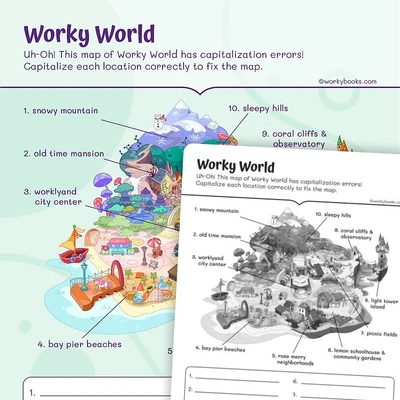
Worky World! Capitalize Locations
This capitalization sheet will help students to practice capitalizing geographic locations. Illustrated on the sheet is ...
L.2.2.AL.2.2
Word Families: —ight Words
This word families worksheet focuses on -ight words and is designed to help 4th-grade students practice their reading an...
RF.4.4
The Atomic Bomb Ends the War
This informative passage explores the role of the atomic bomb in ending World War II, focusing on the events leading up ...