Nazi Occupation of the Netherlands — Reading Comprehension
Rate this
Premium Resource
Present
Present in classroom. No work saved
Assign
Classroom with student accounts, Track progress
Quick Play
No student accounts, assign with a link
Grades
5
6
7
8
PRINT+DIGITAL RESOURCE
This learning resource is available in interactive and printable formats. The interactive worksheet can be played online and assigned to students. The Printable PDF version can be downloaded and printed for completion by hand.
This world history reading passage explores the Nazi occupation of the Netherlands during World War II, focusing on key events, social impact, and individual experiences such as Anne Frank's. Students will learn about the invasion, daily life under occupation, the rise of the resistance, and the persecution of Jewish citizens. The passage integrates primary sources and academic vocabulary, with aligned activities for critical thinking, including a timeline, graphic organizers, and comprehension questions. Read aloud audio and a Spanish translation are provided for accessibility. Aligned to CA HSS 10.8.5, RH.6-8.3, RH.6-8.4, and W.6-8.2, this resource helps students analyze cause and effect, use evidence, and understand the broader significance of the Holocaust and resistance movements in European history.
CONTENT PREVIEW
Expand content preview
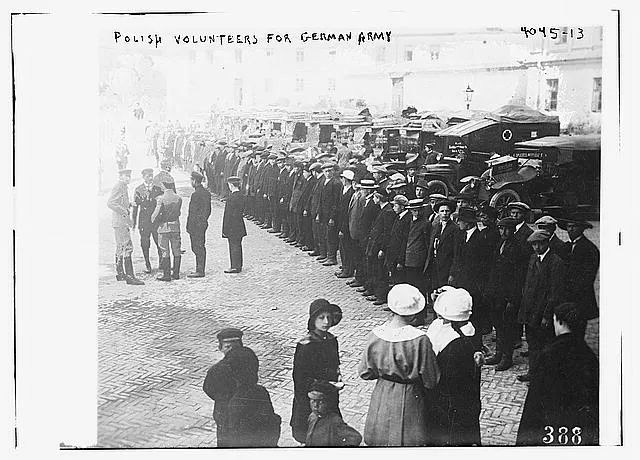
Polish Volunteers for German Army. Source: Library of Congress - Bain News Service
The Nazi occupation of the Netherlands began on May 10, 1940, when German forces invaded and quickly took control of the country. The Dutch government and military were unable to resist the powerful German army, and within five days, the Netherlands surrendered. The occupation lasted until May 1945, deeply affecting the lives of Dutch citizens and changing the country's history.
During the occupation, the German authorities imposed strict restrictions on daily life. Dutch people faced food shortages, curfews, and censorship of the press. Jewish citizens, such as the Frank family, were especially targeted by Nazi persecution. New laws forced Jews to wear yellow stars and banned them from public spaces, schools, and jobs. The diary of Anne Frank, written while her family hid in a secret annex in Amsterdam, provides a famous primary source about this period. Anne's writing describes both the constant fear and the hope that sustained those in hiding.
Many Dutch citizens responded to Nazi rule in different ways. Some collaborated with the occupiers, hoping to gain favors or protect themselves. Others, however, joined the resistance movement, secretly helping Jews escape, publishing underground newspapers, or sabotaging German operations. The Dutch resistance was risky and dangerous. For example, the February Strike of 1941 was a major protest against the treatment of Jewish citizens—a rare public action in Nazi-occupied Europe. Many participants were arrested or killed, but their courage inspired others.
As the occupation continued, conditions worsened, especially during the "Hunger Winter" of 1944-1945. Food and fuel grew scarce, and many people suffered from cold and starvation. Despite these hardships, the Dutch people showed remarkable resilience and solidarity. The eventual liberation by Allied forces in May 1945 ended five years of harsh rule, but the trauma and losses left deep scars on Dutch society.
The Nazi occupation of the Netherlands is significant because it demonstrates the devastating impact of war and totalitarian rule on ordinary people. It also highlights the importance of resistance and the value of preserving historical testimonies like Anne Frank's diary. Studying this period helps us understand the consequences of intolerance and the strength of communities under pressure.
This topic connects to broader themes in world history, such as the impact of war on civilians, the dangers of discrimination, and the power of resistance movements.
Interesting Fact: The hiding place of Anne Frank's family, known as the Secret Annex, is now a museum visited by over one million people each year.
When did the Nazi occupation begin?
May 10, 1940June 6, 1944September 1, 1939May 8, 1945
Which city was Anne Frank's hiding place?
RotterdamAmsterdamUtrechtThe Hague
What was the 'Hunger Winter'?
A time of food shortagesA period of celebrationsA military battleA festival for children
Why did some Dutch people join the resistance?
To help NazisTo escape the countryTo fight against Nazi ruleTo become soldiers
How did Nazis treat Jewish people?
Gave them foodPersecuted themProtected themIgnored them
What was a risk faced by the resistance?
Arrest or deathGetting richWinning awardsMoving freely
The occupation ended in May 1945. True or false?
TrueFalse
What does 'resilience' mean?
Recovering from hardshipGiving up easilyFollowing rulesLeading a government
Perfect For:
👩🏫 Teachers
• Reading comprehension practice
• Auto-graded assessments
• Literacy skill development
👨👩👧👦 Parents
• Reading practice at home
• Comprehension improvement
• Educational reading time
🏠 Homeschoolers
• Reading curriculum support
• Independent reading practice
• Progress monitoring
Reading Features:
📖
Reading Passage
Engaging fiction or nonfiction text
❓
Comprehension Quiz
Auto-graded questions
📊
Instant Feedback
Immediate results and scoring
📄
Printable Version
Download for offline reading
🔊
Read Aloud
Voice-over with word highlighting
Reviews & Ratings
No reviews yet. Be the first to share your experience!
Related Content
Events Leading to World War II
This passage explores the complex causes of World War II, focusing on the interwar period, the Treaty of Versailles, the...
Causes of World War I
This comprehensive history reading passage explores the complex causes of World War I, focusing on alliances, nationalis...
World War I Impact on America
This engaging history reading passage explores World War I's impact on society and culture, highlighting key changes in ...
Leaders and Decisions in World War II
This passage explores the major leaders of World War II and the critical decisions they made that shaped the course of g...
American Life During World War II
This history reading passage explores life on the home front during World War II, focusing on the experiences of ordinar...
War Bonds: Financing World War II
This passage examines the critical role of war bonds in financing World War II, focusing on how the U.S. government enco...
D2.HIS.2.3-5D2.HIS.3.3-5RI.4.3RI.4.4
Trench Warfare in World War I
This comprehensive history reading passage explores the realities of life in the trenches during World War I, aligned to...
Russia Exits World War I
This comprehensive world history reading passage explores the Russian Revolution and how Russia exited World War I. Stud...
America Enters World War II
This history reading passage analyzes America’s entry into World War II, focusing on the causes, perspectives, and conse...
D2.HIS.2.3-5D2.HIS.3.3-5RI.4.3RI.4.4
World War II Home Front
This rigorous U.S. history reading passage explores the complexities and challenges of the World War II Home Front, focu...
D2.HIS.2.3-5D2.HIS.3.3-5RI.6.3RI.6.4
The Western Front in World War I
This engaging history reading passage explores the major battles of the Western Front during World War I, focusing on th...
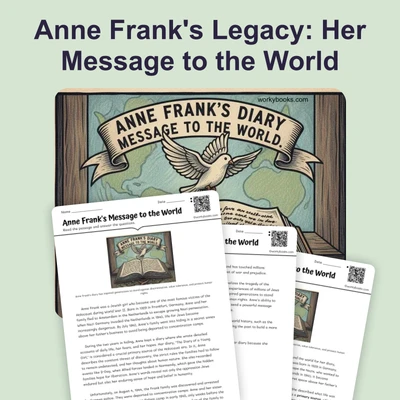
Anne Frank's Message to the World
This reading passage explores the life and legacy of Anne Frank, a Jewish teenager who documented her experiences during...
Allied Strategy in the Pacific War
This comprehensive history reading passage dives into the strategic 'island hopping' campaign of World War II in the Pac...
Major Battles Change the War's Course
This engaging history reading passage examines three crucial turning points of World War II: the Battles of Stalingrad, ...
Japan Surrenders: World War II Ends
This comprehensive history reading passage examines the pivotal moment when Japan surrendered in August 1945, bringing W...
D2.HIS.2.3-5D2.HIS.3.3-5RI.4.3RI.4.4
America Enters the War: 1917
This comprehensive history reading passage explores America’s entry into World War I in 1917, examining the causes, even...
Black History Month Word Search
RF.4.3RF.5.3L.4.4L.5.4
Worky World! Capitalize Locations
This capitalization sheet will help students to practice capitalizing geographic locations. Illustrated on the sheet is ...
L.2.2.AL.2.2
Word Families: —ight Words
This word families worksheet focuses on -ight words and is designed to help 4th-grade students practice their reading an...
RF.4.4
The Atomic Bomb Ends the War
This informative passage explores the role of the atomic bomb in ending World War II, focusing on the events leading up ...