Railroads: Connecting People and Markets — Reading Comprehension
Rate this
Premium Resource
Present
Present in classroom. No work saved
Assign
Classroom with student accounts, Track progress
Quick Play
No student accounts, assign with a link
Grades
5
6
7
8
PRINT+DIGITAL RESOURCE
This learning resource is available in interactive and printable formats. The interactive worksheet can be played online and assigned to students. The Printable PDF version can be downloaded and printed for completion by hand.
This engaging world history reading passage explores how the invention and spread of steam-powered railroads during the Industrial Revolution transformed transportation, trade, and communication around the world. Students will learn how railroads connected cities and markets, enabled faster movement of people and goods, and influenced social and economic change. The text cites specific historical examples, including George Stephenson's 'Rocket' in England and the Transcontinental Railroad in the United States, and discusses the impact on daily life and social structure. The passage is aligned with CA HSS 7.3 and CCSS RH.6-8.2, and includes a glossary of key terms, multiple-choice and writing activities, graphic organizers, and a timeline. A Spanish translation and a read-aloud audio option are included for accessibility. This resource is designed for students to practice analyzing cause-and-effect relationships and using evidence, while building understanding of how technological innovation shaped the modern world.
CONTENT PREVIEW
Expand content preview
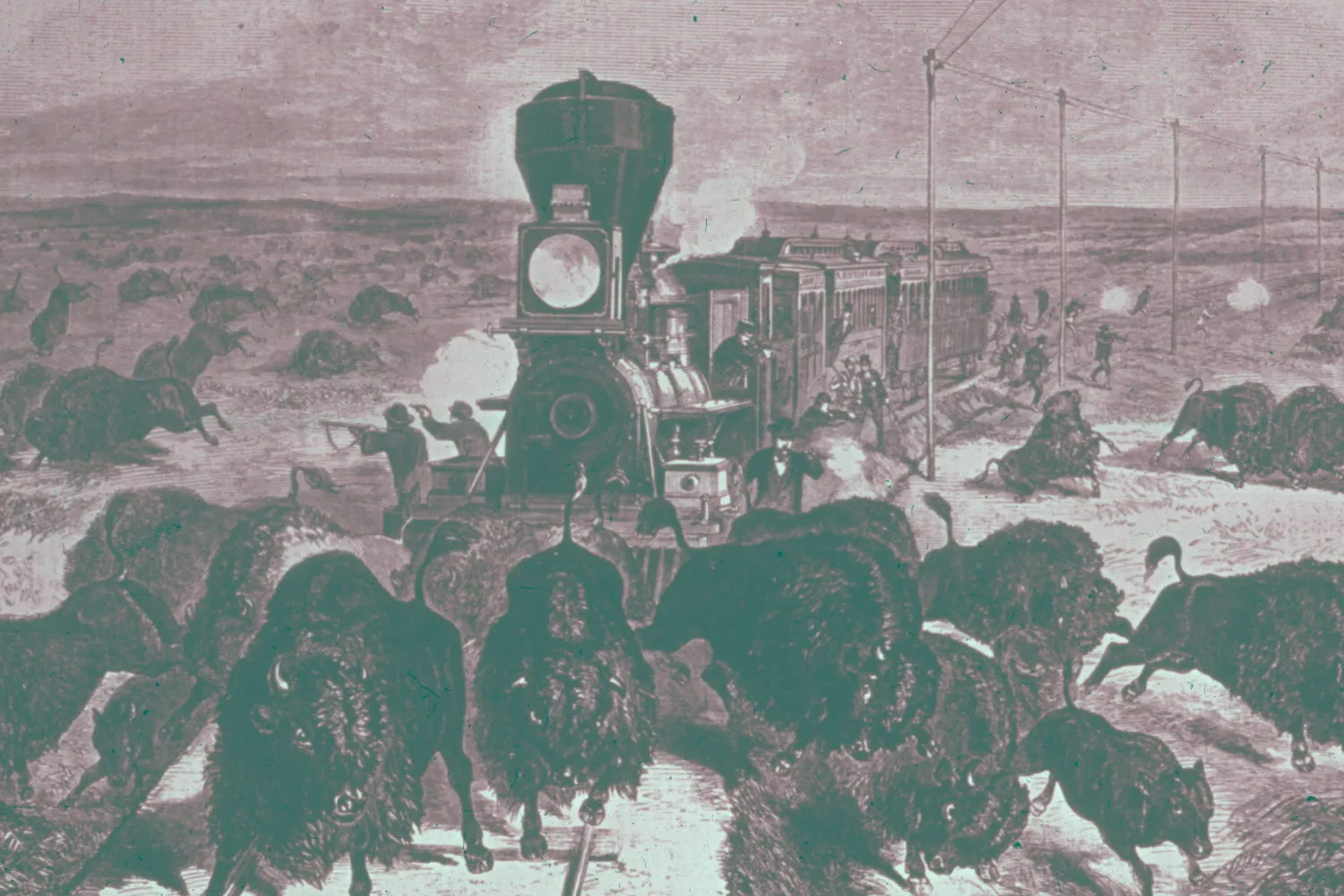
"The first transcontinental railroad (24486129034)" by USDA NRCS Texas / Source: Wikimedia Commons (Public domain).
The Industrial Revolution was a period of rapid change in the 18th and 19th centuries, when machines and factories transformed economies and societies. One of the most important inventions of this era was the steam-powered railroad. These railroads connected cities, enabled faster trade, and changed how people communicated and worked.
Before railroads, most goods and people traveled by horse, wagon, or boat. Journeys were slow and expensive. This limited the amount of products that could reach markets and made it difficult for people to move to new places. The invention of the steam locomotive in the early 1800s was a turning point. In 1825, George Stephenson built the "Locomotion No. 1," one of the first successful steam locomotives, in England. Just five years later, his famous train, the "Rocket," won the Rainhill Trials, showing that steam engines could pull heavy loads quickly and efficiently.
Railroads spread rapidly across Europe and North America. By the 1840s, thousands of miles of track had been laid. In the United States, the Transcontinental Railroad was completed in 1869, connecting the East and West Coasts. This was a huge achievement, made possible by thousands of workers, including immigrants from China and Ireland. The railroad allowed goods like wheat, coal, and manufactured products to travel faster than ever before. Letters and newspapers also moved quickly, linking distant communities. Archaeological evidence, such as old track beds and historic train stations, helps historians understand the impact of these changes.
The rise of railroads created new markets for farmers and factory owners. Farmers could sell crops to cities far away, and factories could ship products across continents. Towns grew up along railway lines, and some cities became major centers of trade and industry. At the same time, the demand for coal, iron, and labor increased, shaping the social hierarchy and daily life of many people. While railroads brought economic growth, they also led to challenges, such as harsh working conditions for railway workers and changes in the environment as forests were cleared and tunnels built. Some communities benefited greatly, while others struggled to adapt.
Railroads not only changed transportation, but also helped create a more connected world. They made it easier for ideas, technologies, and people to move across regions. The story of railroads shows how innovation and infrastructure can transform societies and shape the course of history.
Interesting Fact: In 1883, American railroad companies agreed to use standardized time zones, making train schedules—and daily life—more organized across the country.
Who built the Locomotion No. 1?
George StephensonJames WattThomas EdisonHenry Ford
When was the Transcontinental Railroad finished?
1825183018691883
What did the Rainhill Trials prove?
Steam engines could pull heavy loadsElectric trains were fasterBoats traveled fasterHorses were better
How did railroads affect daily life?
Slowed travelMade travel fasterStopped tradeHad no effect
Why did towns grow near railroads?
To access waterFor better jobs and tradeFor farming onlyTo escape cities
What was a challenge of building railroads?
Too much foodHarsh working conditionsNo demand for coalEasy labor
Railroads connected cities and markets. True or false?
TrueFalse
What does 'infrastructure' mean?
Basic structures for societyA type of trainA farming toolA social class
Perfect For:
👩🏫 Teachers
• Reading comprehension practice
• Auto-graded assessments
• Literacy skill development
👨👩👧👦 Parents
• Reading practice at home
• Comprehension improvement
• Educational reading time
🏠 Homeschoolers
• Reading curriculum support
• Independent reading practice
• Progress monitoring
Reading Features:
📖
Reading Passage
Engaging fiction or nonfiction text
❓
Comprehension Quiz
Auto-graded questions
📊
Instant Feedback
Immediate results and scoring
📄
Printable Version
Download for offline reading
🔊
Read Aloud
Voice-over with word highlighting
Reviews & Ratings
No reviews yet. Be the first to share your experience!
Related Content
American Industrial Revolution
This World History reading passage explores the spread of the Industrial Revolution from Britain to the United States, f...
Industrial Revolution Global Impact
This world history reading passage examines the global impact of the Industrial Revolution, focusing on how industrializ...
Capitalism Industrial Revolution
This engaging world history passage examines the rise of capitalism and its critical role in the Industrial Revolution. ...
Industrial Revolution Child Labor
This rigorous world history reading passage examines the harsh reality of child labor in factories and mines during the ...
Industrial Revolution Working Conditions
This world history reading passage examines the working conditions and workers' struggles during the Industrial Revoluti...
Pollution and the Industrial Revolution
This passage explores the environmental costs of industrialization during the Industrial Revolution, focusing on air and...
The Steam Engine Revolution
This rigorous world history passage explores the origins and impact of the steam engine during the Industrial Revolution...
New Social Classes: Industrial Society
This reading passage examines how the Industrial Revolution led to the development of new social classes and changed the...
Women in the Industrial Workforce
This rigorous world history reading passage explores the key role women and girls played in the industrial workforce dur...
The Growth of Factory Towns and Industrial Cities
This history reading passage examines how the Industrial Revolution caused the rapid growth of factory towns and industr...
Steamboat Industrial Revolution
This engaging passage introduces students to the impact of steamboats during the Industrial Revolution in U.S. history. ...
D2.HIS.1.3-5D2.HIS.2.3-5RI.4.3RI.4.4
Industrial Revolution Cities
This engaging U.S. history passage explores the growth and transformation of American cities during the Industrial Revol...
D2.HIS.2.3-5D2.HIS.3.3-5RI.4.3RI.4.4
Industrial Revolution Pollution
This reading passage explores the impact of the Industrial Revolution on pollution in the United States, focusing on the...
D2.HIS.2.3-5D2.HIS.3.3-5RI.4.3RI.4.4
Industrial Revolution Benefits
This engaging reading passage explores the positive effects of the Industrial Revolution in the United States, highlight...
D2.HIS.3.3-5D2.HIS.14.3-5RI.4.3RI.4.4
Child Labor in the Industrial Revolution
This engaging history reading passage introduces students to the topic of child labor during the Industrial Revolution i...
D2.HIS.2.3-5D2.HIS.16.3-5RI.4.3RI.4.4
American Revolution Global Influence
This engaging U.S. History reading passage explores how the American Revolution influenced revolutions around the world,...
D2.HIS.2.3-5D2.HIS.3.3-5RI.4.3RI.4.4
Industrial Revolution Schools
This engaging reading passage explores how schools changed during the Industrial Revolution and Progressive Era in the U...
D2.HIS.2.3-5D2.HIS.3.3-5RI.4.3RI.4.4
The Industrial Revolution in America
This engaging history reading passage explores the Industrial Revolution in America, a time of great change and innovati...
D2.HIS.1-6.3-5RI.4.3RI.4.4
From Farms to Factories
This engaging passage, "From Farms to Factories," delves into the profound changes brought by the Industrial Revolution ...
Life During the Industrial Revolution
This engaging reading passage introduces students to life during the Industrial Revolution in the United States. It expl...