The First People of California
Interactive passage with audio narration, comprehension questions, and printable PDF.
By completing this purchase you agree to our Terms of Use and Privacy Policy. Your subscription renews automatically until you cancel. You can cancel anytime from your account settings. All sales are final and non-refundable. Digital content is available for download in your account immediately upon purchase.
What's included
The First People of California preview and details
About this printable The First People of California reading passage (Grades 3-5)
Sample passage and quiz from The First People of California
Reading passage and comprehension quiz preview
The First People of California
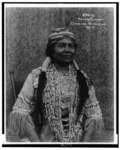
"Portraits of Native Americans from the West coast" / Library of Congress.
The first people lived in California more than 9,000 years ago. They are called Native Californians. These groups came here long before there were roads, cities, or cars. California was filled with rivers, lakes, forests, and mountains. These early people learned how to survive in many different places.
Native Californians used the land to help them live. They fished in rivers and the ocean. They hunted animals such as deer and rabbits. They picked acorns, berries, and plants. These foods were very important. People worked together in groups called tribes. Each tribe had its own way of life. They built homes from wood, grass, or reeds. Some groups lived near the coast. Others lived in valleys or mountains.
Family was at the center of life. Elders taught children how to gather food and make tools. They shared stories about the world and their people. These stories are called legends. Legends helped children learn right from wrong. "We keep the old ways alive," said one elder.
Native Californians were very skilled. They made baskets out of plants. Some baskets could even hold water! They carved canoes from logs to travel on rivers. They made tools from stones and animal bones. These tools helped them hunt and build. They used fire to clear land and help plants grow back stronger. This helped animals return to the area, too.
Many tribes traded with each other. They traded shells, obsidian, and food. This helped them get what they needed. Sometimes, tribes gathered for big celebrations. These events were called ceremonies. People danced, sang, and gave thanks for nature’s gifts.
Life changed with the seasons. In spring and summer, families moved to find food. In winter, they stayed in warmer homes. Each season brought new jobs and adventures. Working together made their lives better and safer.
Native Californians lived here for thousands of years before any Europeans arrived. They cared for the land and each other. Their skills and stories are still important in California today.
Interesting Fact: Some California baskets are so tightly woven that they can even hold water!
Comprehension quiz (8 questions)
1. How long ago did the first people live in California?
2. What did Native Californians use to make baskets?
3. What did families do in spring and summer?
4. Why did Native Californians use fire?
5. How did tribes get things they needed?
6. What is the main reason for ceremonies?
7. Native Californians cared for the land. True or false?
8. What is a tribe?
Common Core standards for The First People of California
Explain events, procedures, ideas, or concepts in a historical, scientific, or technical text, including what happened and why, based on specific information in the text.
Determine the meaning of general academic and domain-specific words or phrases in a text relevant to a grade 4 topic or subject area.
Write informative/explanatory texts to examine a topic and convey ideas and information clearly.
Perfect for the way you teach
- Build comprehension skills
- Auto-graded quiz
- Differentiated reading
- Read together at home
- Improve fluency
- Quiet reading time
- Reading curriculum support
- Independent practice
- Track Lexile growth