Warsaw Ghetto Uprising 1943
Interactive passage with audio narration, comprehension questions, and printable PDF.
By completing this purchase you agree to our Terms of Use and Privacy Policy. Your subscription renews automatically until you cancel. You can cancel anytime from your account settings. All sales are final and non-refundable. Digital content is available for download in your account immediately upon purchase.
What's included
Warsaw Ghetto Uprising 1943 preview and details
About this printable Warsaw Ghetto Uprising 1943 reading passage (Grades 5-8)
Sample passage and quiz from Warsaw Ghetto Uprising 1943
Reading passage and comprehension quiz preview
Warsaw Ghetto Uprising 1943
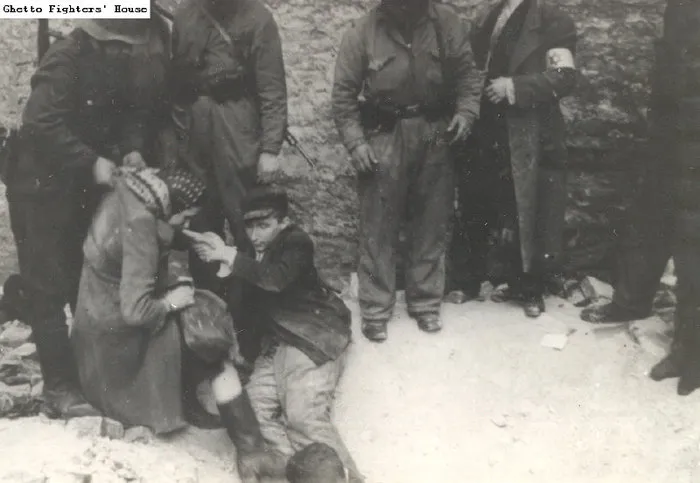
The Warsaw Ghetto Uprising was a major act of Jewish resistance against Nazi Germany during World War II. In 1940, the German authorities forced more than 400,000 Jews into a small, walled section of Warsaw, Poland, called the ghetto. The Nazis designed the ghetto to isolate and control the Jewish population under harsh and crowded conditions. Many people died from hunger and disease. Over time, it became clear that the Nazis planned to deport the remaining Jews to extermination camps.
By July 1942, mass deportations to the Treblinka death camp began. In response, Jewish residents formed the Jewish Combat Organization (ZOB), led by Mordechai Anielewicz. Another group, the Jewish Military Union (ZZW), also prepared for armed resistance. These organizations secretly collected weapons and trained fighters, even though resources were very limited. Primary sources, such as letters and diaries from fighters, reveal the deep fear and determination among the ghetto's inhabitants. One diary records, "We know we will not survive, but we will not go like sheep to slaughter." Their efforts showed a desire for dignity and self-defense.
On April 19, 1943, as German forces entered to liquidate the ghetto, the uprising began. Around 700 Jewish fighters resisted with homemade bombs, pistols, and courage. The Germans, led by SS General Jürgen Stroop, responded with overwhelming force. They set fire to buildings and used heavy weapons. Despite being outnumbered and outgunned, the fighters held out for nearly a month. The resistance inspired hope and pride among Jews in other ghettos and camps. Archaeological evidence, such as burned structures and hidden bunkers, helps historians understand the daily realities of the struggle.
By May 16, 1943, the uprising was crushed. The Nazis destroyed the Great Synagogue of Warsaw as a symbol of victory. Most fighters died, and survivors were sent to camps. However, the uprising became a symbol of bravery and resistance against oppression. It highlighted the human capacity for courage in the face of impossible odds. The event is remembered through survivor testimonies and memorials in Poland and around the world.
The Warsaw Ghetto Uprising demonstrates how geography, oppression, and social hierarchy shaped daily life during the Holocaust. The event connects to broader themes of resistance, human rights, and the impact of war on innocent populations.
Interesting Fact: The Stroop Report, a collection of photographs and documents created by the Nazis, is a key primary source for historians studying the uprising.
Comprehension quiz (8 questions)
1. What year did the uprising start?
2. Who led the Jewish Combat Organization?
3. Where did mass deportations from the ghetto go?
4. Why did the Jews form resistance groups?
5. How did the Germans respond to the uprising?
6. What did the uprising symbolize?
7. The uprising lasted almost a month. True or false?
8. What is a primary source?
Perfect for the way you teach
- Build comprehension skills
- Auto-graded quiz
- Differentiated reading
- Read together at home
- Improve fluency
- Quiet reading time
- Reading curriculum support
- Independent practice
- Track Lexile growth