What Are Beaches
Interactive passage with audio narration, comprehension questions, and printable PDF.
By completing this purchase you agree to our Terms of Use and Privacy Policy. Your subscription renews automatically until you cancel. You can cancel anytime from your account settings. All sales are final and non-refundable. Digital content is available for download in your account immediately upon purchase.
What's included
What Are Beaches preview and details
About this printable What Are Beaches science reading passage, NGSS-aligned (Grades 5-8)
Sample passage and quiz from What Are Beaches
Reading passage and comprehension quiz preview
What Are Beaches
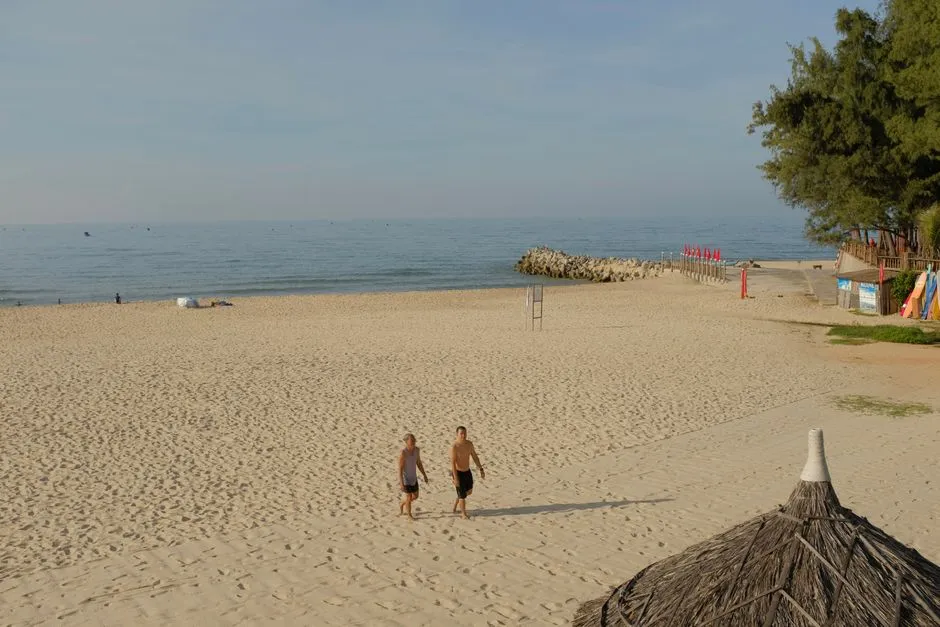
A beach is a strip of loose sediment deposited along a shoreline by the action of waves. Sandy beach of Binh Thuan, Vietnam by Nguyen Truong Khang / Pexels.
A beach is a strip of loose sediment deposited along a shoreline by the action of waves. This sediment can be sand, pebbles, or crushed shells. Beaches are depositional landforms, meaning they form where materials are dropped and accumulate. Waves carry sediment toward the coast and deposit it along the shore. Every tide and wave reworks this material, making beaches among Earth's most dynamic places.
Scientists observe that beaches form through continuous processes of deposition and erosion. Waves bring new sediment to the shore while also carrying some away. The size and color of beach sediment reveal important clues about its origin. Pale quartz sand comes from weathered granite rocks. Dark volcanic sand forms from broken-down lava on volcanic islands. White sand may consist of ground-up shells and coral fragments. Each grain tells a story about where it came from and how it traveled to the beach.
Evidence shows that beaches constantly change. Storm waves can remove tons of sand overnight. Gentler waves may bring sediment back over weeks or months. Longshore currents move sand parallel to the coast, transporting it from one beach to another. Hawaii's Punalu'u Beach features striking black sand formed from basalt lava that shattered when it met cold ocean water. This beach demonstrates how local geology directly influences beach composition and appearance.
Understanding beaches matters because they protect coastlines from storm damage and erosion. Beaches absorb wave energy that would otherwise strike cliffs and coastal structures. They also provide habitat for many organisms and recreation areas for people. As sea levels change and human activities alter coastlines, scientists study how beaches respond. The shoreline represents a restless boundary where land meets ocean, and where erosion and deposition continuously interact to shape our coasts.
Interesting Fact: Some beaches glow blue at night due to bioluminescent plankton in the water. When waves disturb these tiny organisms, they emit light through chemical reactions in their bodies.
Comprehension quiz (10 questions)
1. What is a beach?
2. What type of landform is a beach?
3. What does the term 'sediment' mean in this passage?
4. What does pale quartz sand indicate about a beach's sediment source?
5. How did the black sand at Punalu'u Beach in Hawaii form?
6. Why can beaches change dramatically overnight during storms?
7. What important function do beaches serve for coastlines?
8. Based on the passage, what can scientists learn from studying beach sediment color and size?
9. Beaches are permanent features that do not change over time.
10. The shoreline is a boundary where erosion and deposition continuously interact.
Perfect for the way you teach
- Build comprehension skills
- Auto-graded quiz
- Differentiated reading
- Read together at home
- Improve fluency
- Quiet reading time
- Reading curriculum support
- Independent practice
- Track Lexile growth