What Is the Cryosphere
Interactive passage with audio narration, comprehension questions, and printable PDF.
By completing this purchase you agree to our Terms of Use and Privacy Policy. Your subscription renews automatically until you cancel. You can cancel anytime from your account settings. All sales are final and non-refundable. Digital content is available for download in your account immediately upon purchase.
What's included
What Is the Cryosphere preview and details
About this printable What Is the Cryosphere science reading passage, NGSS-aligned (Grades 6-8)
Sample passage and quiz from What Is the Cryosphere
Reading passage and comprehension quiz preview
What Is the Cryosphere
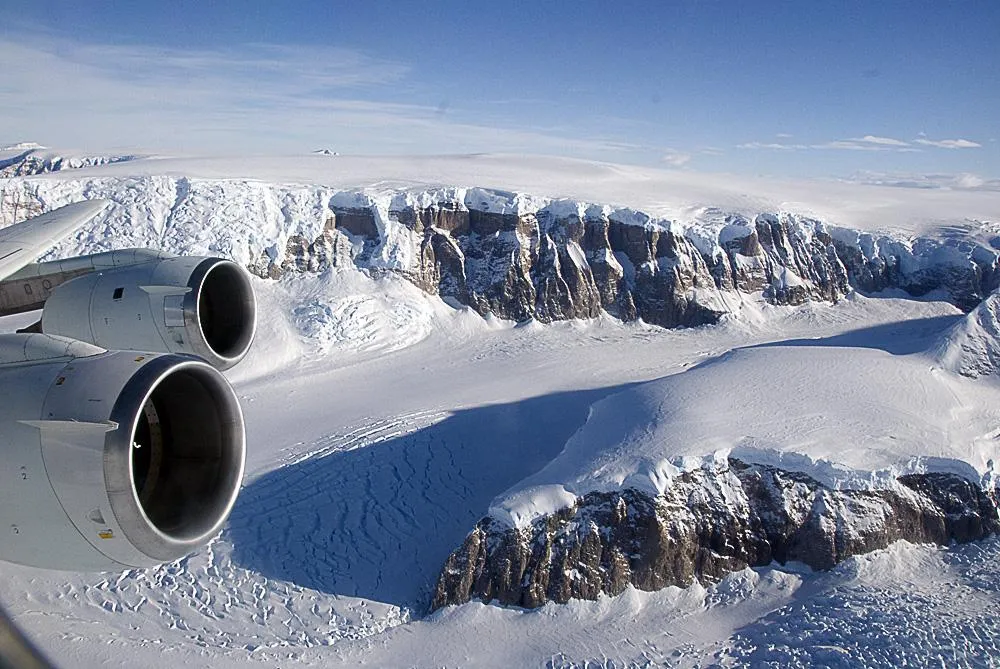
"A Tour of the Antarctic Cryosphere NASA" by Michael Studinger, Lamont-Doherty Earth Observatory / Wikimedia Commons
The cryosphere is the term scientists use to describe all the frozen water on Earth. This includes ice sheets, glaciers, sea ice, snow cover, and frozen ground called permafrost. The cryosphere exists primarily in polar regions near the North and South Poles, but also in high mountain areas around the world. Although frozen water covers only about 10 percent of Earth's surface today, it plays a crucial role in regulating our planet's climate and water systems.
Ice sheets are the largest components of the cryosphere. These massive layers of ice cover entire continents and can be several kilometers thick. Earth has two major ice sheets: the Antarctic ice sheet in the Southern Hemisphere and the Greenland ice sheet in the Northern Hemisphere. The Antarctic ice sheet alone contains about 90 percent of all ice on Earth. These ice sheets formed over thousands of years as snow accumulated and compressed into solid ice. Glaciers are similar to ice sheets but smaller in size. They form in mountainous regions where snow accumulates faster than it melts. Glaciers flow slowly downhill under their own weight, carving valleys and shaping landscapes as they move.
Sea ice forms when ocean water freezes. Unlike ice sheets and glaciers that form on land, sea ice floats on the ocean surface. The Arctic Ocean is covered by sea ice year-round, though the amount varies with the seasons. In winter, sea ice also forms around Antarctica. Sea ice is typically only a few meters thick, much thinner than ice sheets. When sea ice melts, it does not raise sea levels because it was already floating in the ocean. However, when land-based ice sheets and glaciers melt, they add water to the oceans and cause sea levels to rise.
The cryosphere plays a vital role in regulating Earth's energy balance through a process called the albedo effect. Albedo refers to how much sunlight a surface reflects back into space. Ice and snow are white, so they reflect about 80 to 90 percent of incoming solar radiation. This reflection helps keep polar regions cold. In contrast, darker surfaces like ocean water or bare ground absorb more sunlight and warm up. When ice melts and exposes darker surfaces beneath, less sunlight gets reflected and more heat gets absorbed. This creates a feedback loop where warming causes ice to melt, which leads to more warming.
The cryosphere also influences Earth's water cycle in important ways. Ice sheets and glaciers store about 68 percent of Earth's freshwater. This frozen water represents a massive reservoir that affects ocean salinity, sea levels, and freshwater availability. When glaciers melt during warmer months, they release water that feeds rivers and provides drinking water for millions of people. Many communities in Asia, South America, and other regions depend on glacial meltwater for agriculture and daily needs. The seasonal formation and melting of sea ice affects ocean currents and marine ecosystems, influencing weather patterns far from polar regions.
Scientists monitor the cryosphere closely because changes in ice coverage indicate broader climate changes. Satellite observations show that Arctic sea ice extent has decreased significantly over recent decades. Glaciers worldwide are retreating, and ice sheets are losing mass. These changes affect not only polar regions but the entire planet. Understanding the cryosphere helps scientists predict future climate conditions, sea level rise, and impacts on ecosystems and human communities.
Interesting Fact: If all the ice in the Antarctic ice sheet melted, global sea levels would rise by approximately 58 meters (190 feet), enough to submerge many coastal cities around the world.
Comprehension quiz (10 questions)
1. What is the cryosphere?
2. Which two locations have Earth's major ice sheets?
3. What happens to sea levels when sea ice melts?
4. Based on the passage, what does the term 'albedo' refer to?
5. What percentage of Earth's freshwater is stored in ice sheets and glaciers?
6. How does the melting of ice create a feedback loop?
7. Why do scientists monitor the cryosphere closely?
8. Which statement best describes the difference between glaciers and sea ice?
9. True or False: The Antarctic ice sheet contains about 90 percent of all ice on Earth.
10. True or False: Dark surfaces like ocean water reflect more sunlight than ice and snow.
Perfect for the way you teach
- Build comprehension skills
- Auto-graded quiz
- Differentiated reading
- Read together at home
- Improve fluency
- Quiet reading time
- Reading curriculum support
- Independent practice
- Track Lexile growth