Why the Moon Affects Animal Behavior
Interactive passage with audio narration, comprehension questions, and printable PDF.
By completing this purchase you agree to our Terms of Use and Privacy Policy. Your subscription renews automatically until you cancel. You can cancel anytime from your account settings. All sales are final and non-refundable. Digital content is available for download in your account immediately upon purchase.
What's included
Why the Moon Affects Animal Behavior preview and details
About this printable Why the Moon Affects Animal Behavior science reading passage, NGSS-aligned (Grades 5-8)
Sample passage and quiz from Why the Moon Affects Animal Behavior
Reading passage and comprehension quiz preview
Why the Moon Affects Animal Behavior
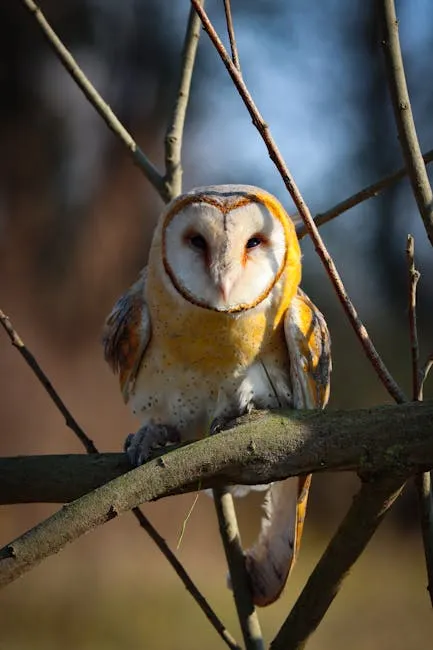
Research shows that barn owls catch more mice when moonlight is brightest. A barn owl perched on a branch.Image by Saleh Bakhshiyev / Pexels.
The Moon affects animal behavior because its light and gravitational pull create predictable patterns in nature. Animals evolved over millions of years to use these lunar cycles for survival. Scientists observe that many species time their activities to specific moon phases. Evidence shows that moonlight intensity and the Moon's position influence feeding, reproduction, and movement across diverse ecosystems.
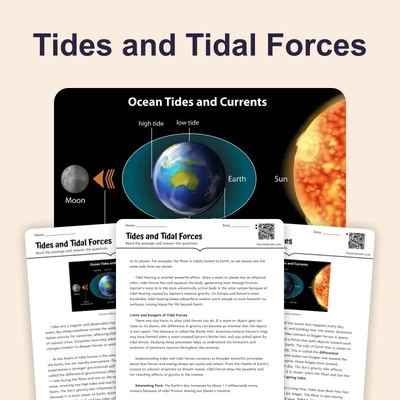
The Moon's gravitational force creates tides that change ocean water levels twice daily. These tidal changes carry chemical signals across vast distances in the sea. Coral reefs provide a clear example of lunar influence on animal behavior. During specific moon phases each year, entire coral reef systems release eggs and sperm simultaneously in events called mass spawning. Scientists explain that corals detect changes in moonlight intensity and water temperature. This synchronized reproduction increases the chances that eggs will be fertilized. The Great Barrier Reef experiences mass spawning events a few nights after the full moon in spring. Millions of coral colonies release reproductive cells at nearly the same time across thousands of miles of ocean.
Moonlight also changes how nocturnal animals hunt and avoid predators. Owls and other night hunters can see prey more easily during full moons. Research shows that barn owls catch more mice when moonlight is brightest. However, small mammals like mice often hide more during full moons to avoid being seen. This creates a cycle where predator and prey behaviors shift with lunar phases. The amount of available light determines which animals have advantages in the darkness.
Sea turtles demonstrate another important connection between the Moon and animal behavior. Baby sea turtles hatch from eggs buried in beach sand at night. Scientists have found that hatchlings use the Moon's reflection on ocean waves to find the water. The bright horizon over the sea guides them in the right direction. This navigation system worked well for millions of years. Unfortunately, artificial lights from buildings and streetlights now confuse baby turtles. Many hatchlings move toward bright city lights instead of the ocean. This disruption shows how light pollution interferes with natural lunar cues that animals depend on.
Understanding lunar influences on animal behavior matters because human activities increasingly disrupt these ancient patterns. Artificial lighting near coastlines and natural areas can confuse animals that rely on moonlight for orientation. Scientists study these connections to develop better conservation strategies. Protecting dark skies helps maintain the natural rhythms that support biodiversity in ecosystems worldwide.
Interesting Fact: Some species of dung beetles navigate using patterns of polarized moonlight, making them one of the few animals known to use the Moon for direction finding on land.
Comprehension quiz (10 questions)
1. What causes tides in the ocean?
2. When do coral reefs on the Great Barrier Reef typically experience mass spawning?
3. What does the term 'nocturnal' mean in the passage?
4. How do baby sea turtles use moonlight to find the ocean?
5. Why do mice hide more during full moons?
6. Based on the passage, what can be inferred about the relationship between moonlight and predator-prey behavior?
7. What problem does light pollution create for baby sea turtles?
8. Why does synchronized coral spawning increase fertilization success?
9. True or False: Animals evolved over millions of years to use lunar cycles for survival.
10. True or False: Barn owls catch fewer mice during full moons because the mice can see them better.
Perfect for the way you teach
- Build comprehension skills
- Auto-graded quiz
- Differentiated reading
- Read together at home
- Improve fluency
- Quiet reading time
- Reading curriculum support
- Independent practice
- Track Lexile growth