This learning resource is available in interactive and printable formats. The interactive worksheet can be played online and assigned to students. The Printable PDF version can be downloaded and printed for completion by hand.
This passage offers a detailed look at the harvesting of wild rice, or manoomin, by the Ojibwe and other Indigenous peoples of the Great Lakes region. Students will learn about the traditional methods, including the use of canoes and specialized tools, and how these practices were shaped by the environment and passed down through generations. The passage highlights the cultural, nutritional, and economic importance of wild rice, drawing on primary sources and archaeological evidence. Activities include a quiz, writing prompts, graphic organizers, and a timeline to help students analyze cause and effect, continuity and change, and the human impact on the environment. Aligned to CA HSS Framework 6.1 and CCSS RI.6.1, this resource also features a Spanish translation and read aloud audio, making it accessible for diverse learners.
CONTENT PREVIEW
Expand content preview
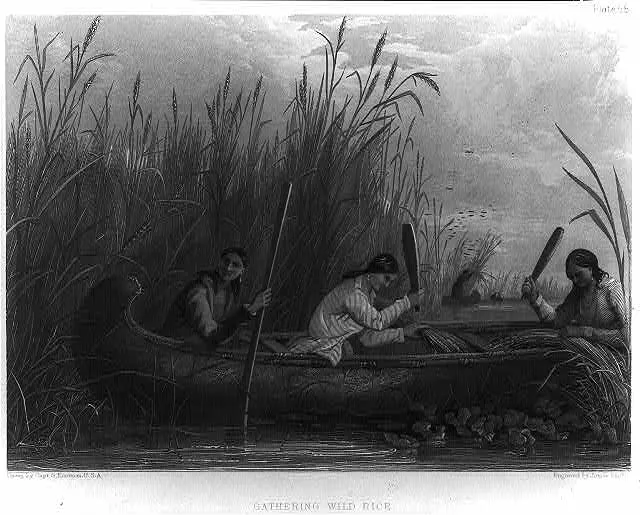
"Gathering wild rice" / Library of Congress.
Wild rice, called manoomin in Ojibwe, has been a vital part of the culture, diet, and economy of Native American nations living around the Great Lakes, such as the Ojibwe, Menominee, and Dakota, for centuries. Unlike regular rice, manoomin is an aquatic grass that grows naturally in shallow lakes and slow-moving streams. The annual harvest of wild rice reflects a remarkable relationship between people and the environment, shaped by careful stewardship and traditional innovation.
Historical records and archaeological evidence show that Indigenous people in the Great Lakes region have harvested wild rice for over a thousand years, with some sources suggesting as early as 800 CE. Early European explorers, like Pierre Radisson in the 17th century, described witnessing Ojibwe families gathering rice during late summer. The process begins when the rice is ripe, usually in August or September. Harvesters travel in canoes, using two wooden sticks called knockers to gently tap the rice stalks, causing the grains to fall into the canoe. This technique allows the plant to drop some seeds back into the water, ensuring future growth.
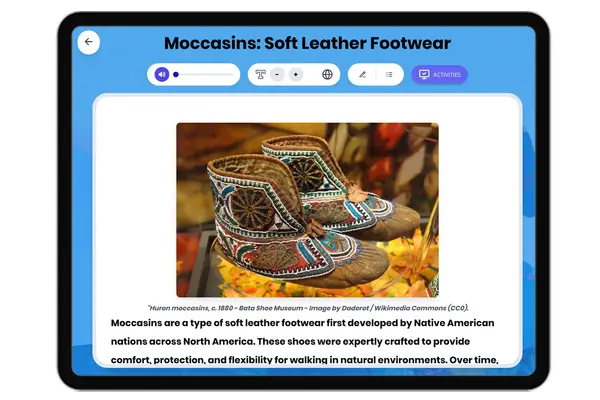
After collection, the rice must be processed. Traditionally, the grains are dried and then parched over a fire to remove the husks. People dance or walk on the rice, often with special moccasins, to loosen the hulls. The final product can be cooked and stored for long periods, serving as a staple food during the harsh winters. Wild rice is rich in nutrients and became a key resource, supporting social gatherings, trade, and even ceremonies. Some oral histories and early accounts, such as those recorded by William Warren in the 1800s, reveal that wild rice harvesting was often a communal activity, strengthening social bonds within and between villages.
Geography played a major role in shaping wild rice traditions. The shallow lakes and slow rivers of Minnesota, Wisconsin, and Ontario provide the ideal habitat for manoomin. Over time, Native nations developed detailed knowledge of local waterways and learned to protect rice beds from overharvesting or environmental damage. Today, many Ojibwe people still harvest wild rice using traditional methods, even as modern threats like pollution and land development create new challenges. Despite these changes, wild rice remains a symbol of identity and resilience for Great Lakes communities.
The ongoing practice of wild rice harvesting connects the past to the present, showing how food, technology, and culture are woven together. Studying these traditions helps us understand the importance of human adaptation and respect for the environment—an essential theme in world history.
Interesting Fact: Some wild rice seeds can survive for years underwater before sprouting, helping the plant recover from floods or droughts.
What is manoomin?
Wild riceCornWheatBeans
Where does wild rice grow best?
Shallow lakes and slow riversDry prairiesMountain slopesDeserts
Who recorded Ojibwe oral histories in the 1800s?
William WarrenPierre RadissonSitting BullHernán Cortés
Why do harvesters use knockers?
To gently collect rice grainsTo plant new riceTo scare away birdsTo row the canoe
How did wild rice harvesting support communities?
By bringing people togetherBy building housesBy making toolsBy raising livestock
What is one effect of geography on wild rice?
Lakes and rivers help it growMountains block sunlightDeserts make it strongerOceans provide salt
Wild rice harvesting stopped 500 years ago.
TrueFalse
What does 'resilience' mean?
Ability to recover from challengesBeing very quietGrowing very quicklyTasting good
Perfect For:
👩🏫 Teachers
• Reading comprehension practice
• Auto-graded assessments
• Literacy skill development
👨👩👧👦 Parents
• Reading practice at home
• Comprehension improvement
• Educational reading time
🏠 Homeschoolers
• Reading curriculum support
• Independent reading practice
• Progress monitoring
Reading Features:
📖
Reading Passage
Engaging fiction or nonfiction text
❓
Comprehension Quiz
Auto-graded questions
📊
Instant Feedback
Immediate results and scoring
📄
Printable Version
Download for offline reading
🔊
Read Aloud
Voice-over with word highlighting
Reviews & Ratings
No reviews yet. Be the first to share your experience!
Related Content
Native American Respect for Nature
This engaging history reading passage explores Native American respect for nature, emphasizing the close relationship be...
D2.HIS.2.3-5D2.HIS.3.3-5RI.4.3RI.4.4
Native Americans and Slavery in Early America
This comprehensive U.S. history reading passage explores the complex relationship between Native Americans and slavery d...
D2.HIS.2.3-5D2.HIS.3.3-5RI.4.3RI.4.4
Native American Tribes Across America
This engaging history reading passage introduces students to Native American tribes across America, focusing on their da...
D2.HIS.1.3-5D2.HIS.2.3-5RI.4.1RI.4.2
Traditional Native American Clothing
This engaging history passage explores traditional Native American clothing and how it reflected the environment, values...
D2.HIS.2.3-5D2.HIS.3.3-5RI.4.3RI.4.4
Native American Basket Weaving
This passage examines the historical importance of basket weaving among Indigenous Americans, highlighting how different...
Native American Treaties
This passage examines early Native American treaties, agreements that were meant to establish peace and boundaries betwe...
D2.HIS.2.3-5D2.HIS.3.3-5RI.4.3RI.4.4
Disease and Native Americans
This engaging U.S. history reading passage explores the dramatic impact of European diseases on Native American populati...
D2.HIS.2.3-5D2.HIS.3.3-5RI.4.3RI.4.4
Native American Land Sales
This comprehensive history reading passage examines Native American land sales in U.S. history and asks students to cons...
D2.HIS.2.3-5D2.HIS.3.3-5RI.4.3RI.4.4
The Cherokee Nation: History and Culture
This reading passage explores the rich history and culture of the Cherokee Nation, one of the largest Native American tr...
D2.HIS.2.3-5D2.HIS.14.3-5RI.4.3RI.4.4RI.4.10
Columbian Exchange Impact on Native Americans
This passage examines the complex effects of the Columbian Exchange on Native Americans, analyzing the causes, consequen...
D2.HIS.2.3-5D2.HIS.3.3-5RI.4.3RI.4.4
Native American Allies in Colonial Wars
This passage examines the complex role of Native American nations as allies and adversaries during the colonial wars of ...
D2.HIS.2.3-5D2.HIS.3.3-5RI.4.3RI.4.4
Spanish Missions Impact on Native American
This reading passage explores the complex impact of Spanish missions on Native American culture in what is now the south...
D2.HIS.2.3-5D2.HIS.3.3-5RI.4.3RI.4.4
Native American Civilizations Before European Contact
This engaging U.S. History reading passage explores Native American civilizations before European contact, focusing on t...
D2.HIS.2.3-5D2.HIS.3.3-5RI.4.3RI.4.4
Moccasins: Soft Leather Footwear
This passage explores the history and significance of moccasins—a soft leather footwear invented by Native American nati...
Native vs European Land Views
This passage examines the contrasting beliefs about land between Native American societies and European settlers, highli...
D2.HIS.2.3-5D2.HIS.3.3-5RI.4.3RI.4.4
Native Americans in Revolutionary War
This engaging U.S. history reading passage explores how Native American nations made difficult decisions during the Amer...
D2.HIS.2.3-5D2.HIS.3.3-5RI.4.3RI.4.4
Pemmican: High-Energy Preserved Food
This engaging history reading passage explores the invention and significance of pemmican, a high-energy preserved food ...
Black History Month Word Search
RF.4.3RF.5.3L.4.4L.5.4
The Inuit Kayak
This passage examines the history and significance of the Inuit kayak, an advanced invention developed by Arctic peoples...
Haudenosaunee Longhouses
This passage examines the Haudenosaunee (Iroquois) longhouse as a key invention and cultural symbol, exploring its role ...