Zhou Dynasty and Mandate
Interactive passage with audio narration, comprehension questions, and printable PDF.
By completing this purchase you agree to our Terms of Use and Privacy Policy. Your subscription renews automatically until you cancel. You can cancel anytime from your account settings. All sales are final and non-refundable. Digital content is available for download in your account immediately upon purchase.
What's included
Zhou Dynasty and Mandate preview and details
About this printable Zhou Dynasty and Mandate reading passage (Grades 5-8)
Sample passage and quiz from Zhou Dynasty and Mandate
Reading passage and comprehension quiz preview
Zhou Dynasty and Mandate
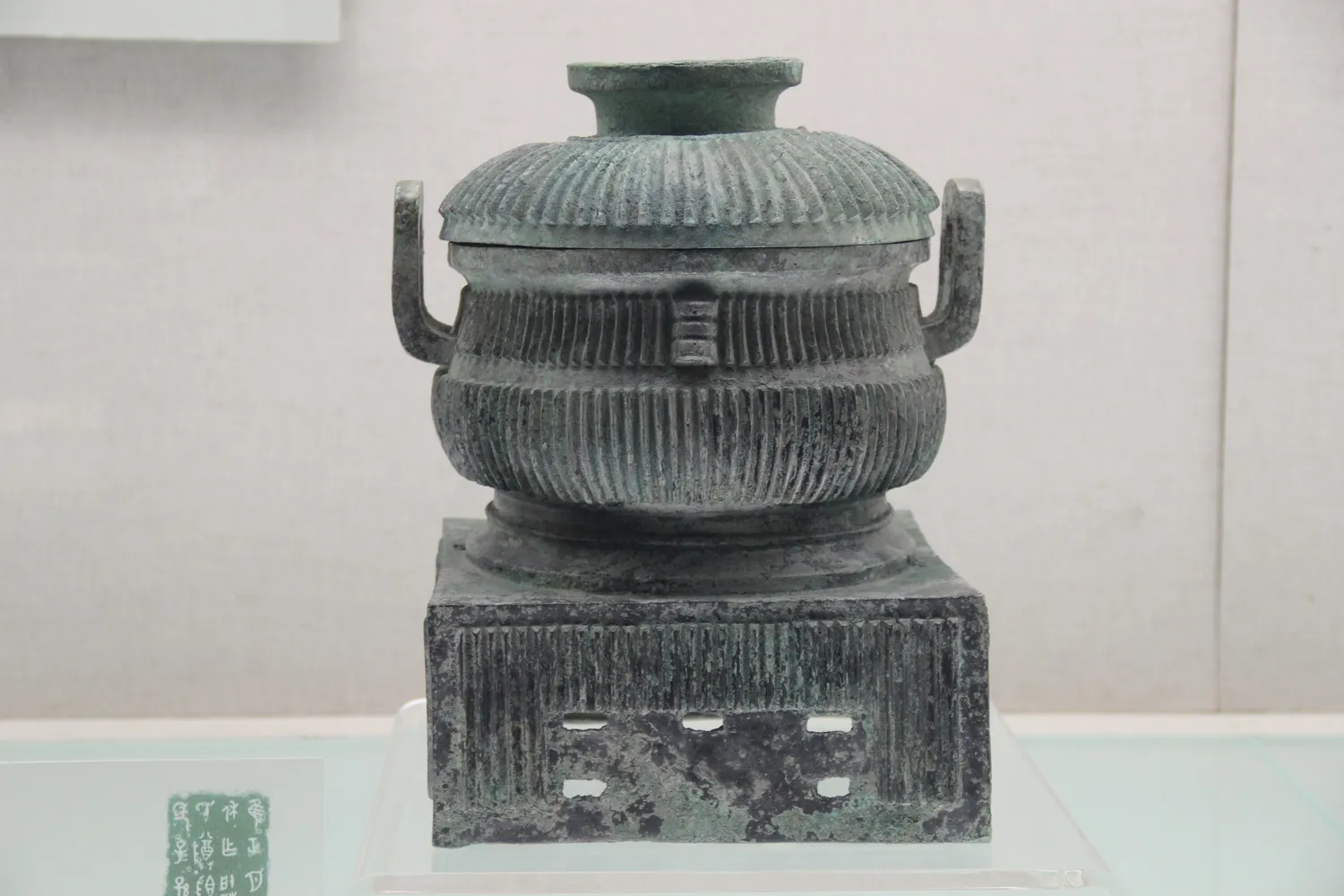
"Western Zhou Bronze Gui 13" by Gary Lee Todd, Ph.D. / Wikimedia Commons
The Zhou Dynasty was one of the most influential ruling families in ancient China. Beginning around 1046 BCE, the Zhou overthrew the Shang Dynasty and established a new era that lasted over 800 years. The Zhou Dynasty is especially known for introducing the concept of the Mandate of Heaven, a powerful idea that shaped Chinese government and society for centuries.
The Zhou justified their takeover by claiming that the last Shang king had lost the favor of the gods due to his cruelty and corruption. According to the Mandate of Heaven, heaven granted the right to rule to just and moral rulers. If a dynasty became corrupt or failed to protect its people, it could lose the Mandate, and another family could take power. This idea helped explain the rise and fall of dynasties and was used to legitimize the Zhou's rule. Archaeological evidence, such as inscriptions on bronze vessels and ancient oracle bones, describes the Zhou's religious beliefs and their efforts to connect with the divine.
Under the Zhou, China developed a system called feudalism. The king granted land to relatives and loyal nobles, who governed these territories in exchange for military support and taxes. This structure allowed the Zhou to control a vast area, with the capital cities at Haojing and Luoyang. However, over time, local lords grew stronger and central power weakened. This led to internal conflict and the period known as the Warring States, beginning around 475 BCE. Despite political struggles, the Zhou period saw advances in iron technology, agriculture, and philosophy. Major thinkers like Confucius and Laozi lived during this era, influencing Chinese culture and values.
Daily life in Zhou China depended on social status. Nobles lived in large homes and had servants, while most people were farmers working the land for their lords. The Zhou believed in honoring ancestors and performing rituals to maintain harmony between heaven and earth. The hierarchy of Zhou society, supported by the Mandate of Heaven, shaped laws, traditions, and the responsibilities of rulers and subjects.
The Zhou Dynasty's ideas about leadership, especially the Mandate of Heaven, continued to influence later Chinese dynasties and even modern ideas about government. The Zhou era demonstrates how beliefs, geography, and power structures interact to shape history.
This story of the Zhou connects to broader themes of power, legitimacy, and the ways that societies use beliefs to justify rule and explain change.
Interesting Fact: Some Zhou kings performed elaborate ceremonies on tall platforms to show their closeness to heaven and strengthen their right to rule.
Comprehension quiz (8 questions)
1. When did the Zhou Dynasty begin?
2. What idea explained the Zhou's right to rule?
3. Which period began as Zhou power weakened?
4. Why did the Zhou claim the Shang lost power?
5. What was the effect of feudalism in Zhou China?
6. How did the Mandate of Heaven impact rulers?
7. The Mandate of Heaven let rulers lose power. True or false?
8. What does 'hierarchy' mean?
Perfect for the way you teach
- Build comprehension skills
- Auto-graded quiz
- Differentiated reading
- Read together at home
- Improve fluency
- Quiet reading time
- Reading curriculum support
- Independent practice
- Track Lexile growth