Passage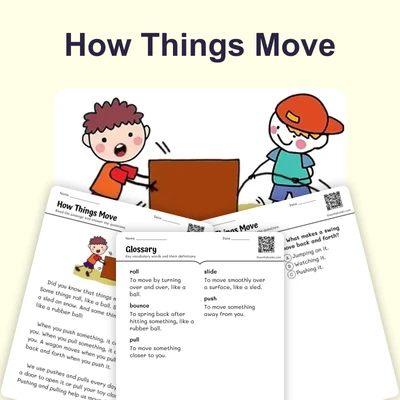
Grades K–2
How Things Move
Reading Passage · RL.1.1
Free

Explore our Forces and Motion curriculum resources for grades K-5, including worksheets, activities, reading passages, games, and graphic organizers. This hub covers push and pull, balanced and unbalanced forces, gravity, magnetism, and Newton's Laws, helping students build a solid foundation in physical science across multiple grade levels.
Reading Passage · RL.1.1
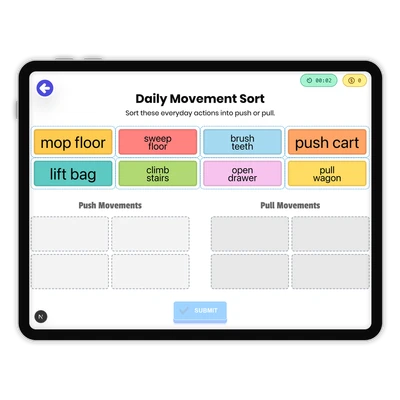
Game · K-PS2-2
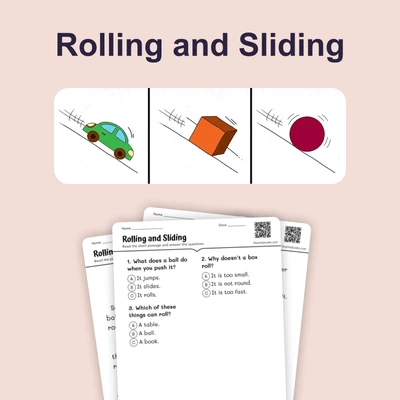
Reading Passage · K-PS2
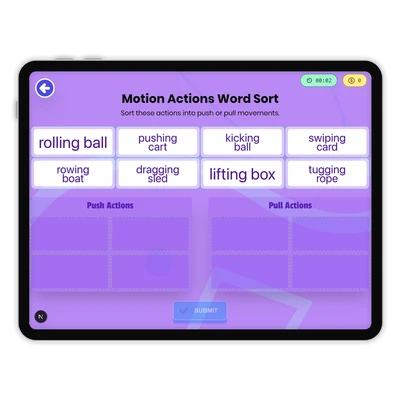
Game · K-PS2-2
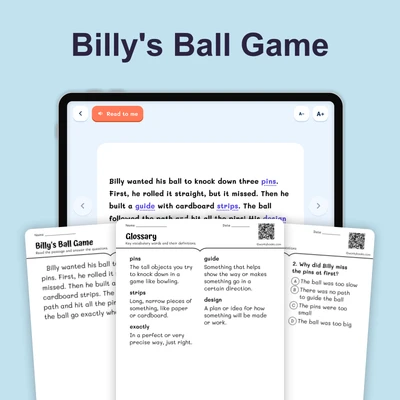
Reading Passage · K-K-PS2-2
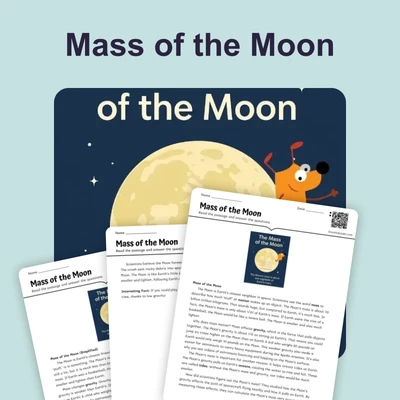
Reading Passage · 5-PS2-1
40% off until Aug 1
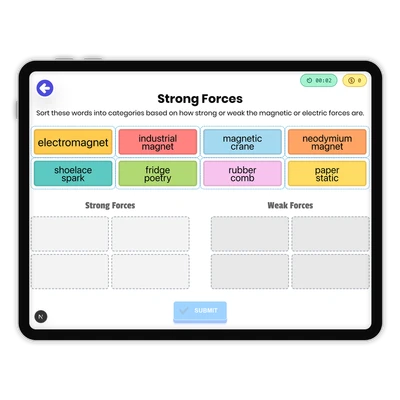
Game
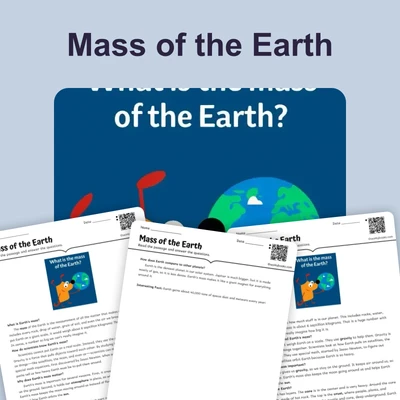
Reading Passage · 5-PS2-1
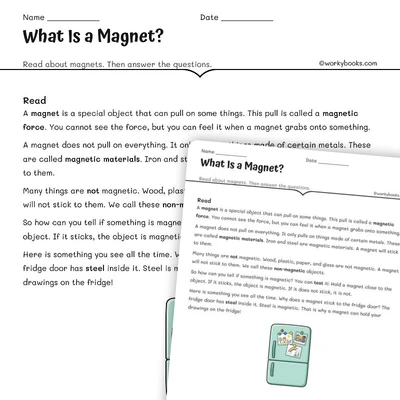
Worksheet · NGSS 3-PS2-3
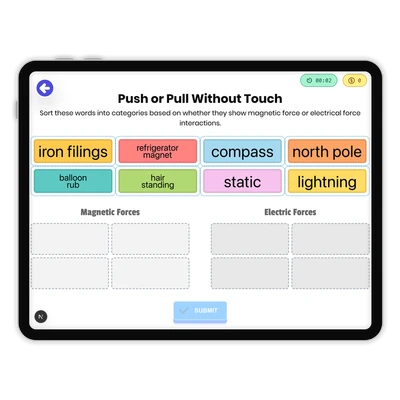
Game
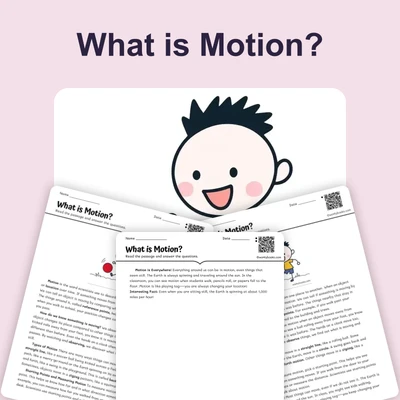
Reading Passage
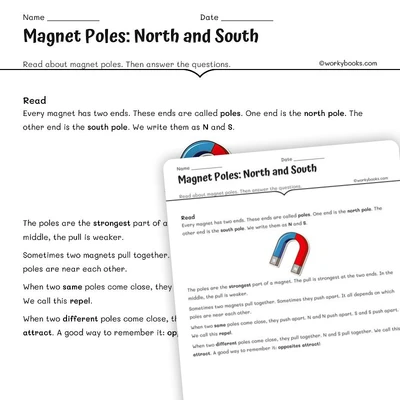
Worksheet · NGSS 3-PS2-3
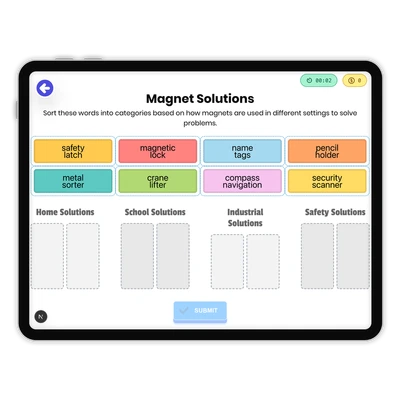
Game
40% off until Aug 1
Reading Passage
Worksheet · NGSS 3-PS2-3
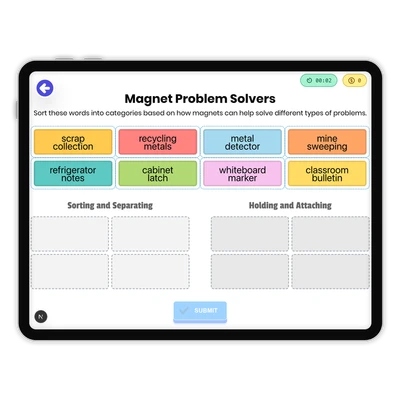
Game
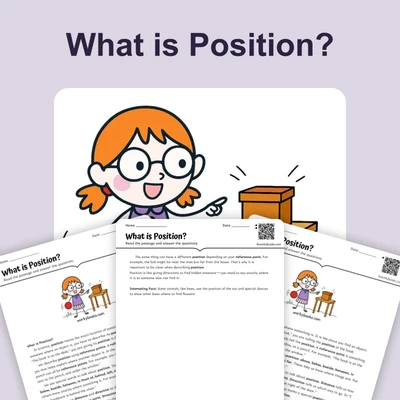
Reading Passage
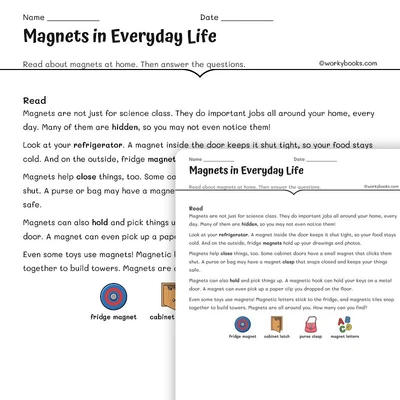
Worksheet · NGSS 3-PS2-3
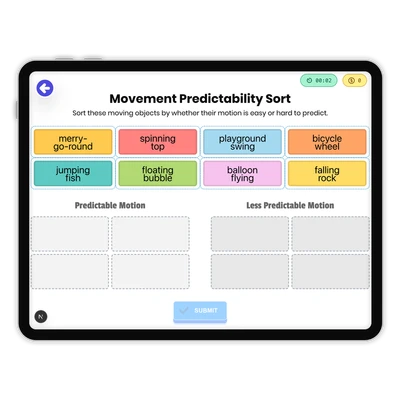
Game
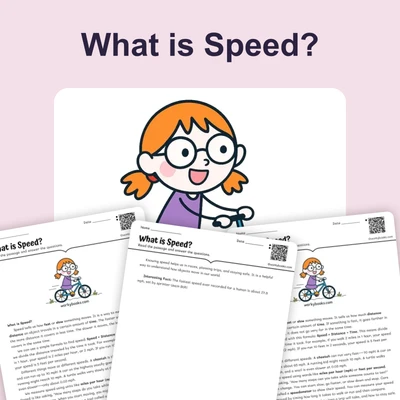
Reading Passage
40% off until Aug 1
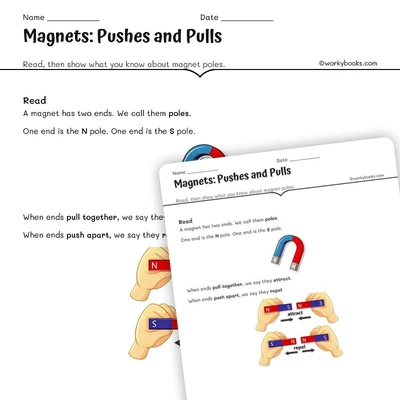
Worksheet · NGSS 3-PS2-3
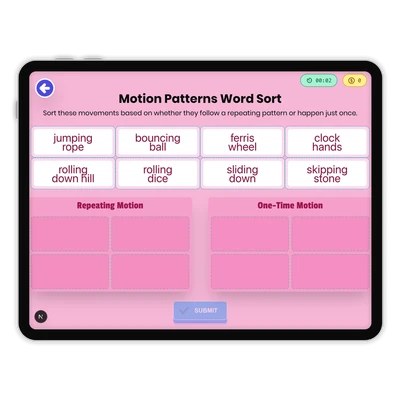
Game
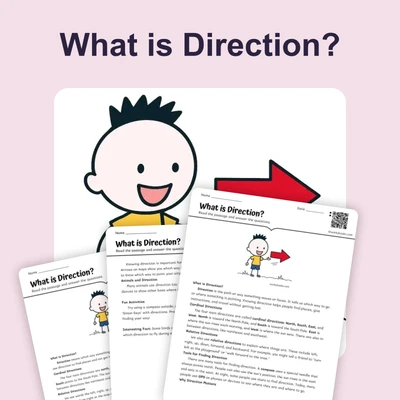
Reading Passage
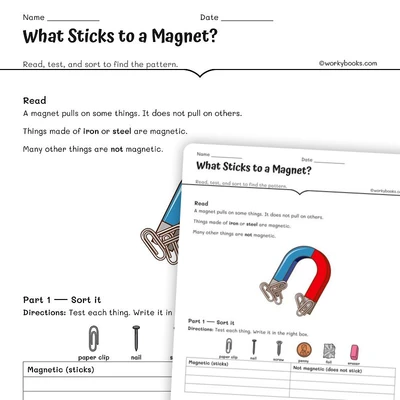
Worksheet · NGSS 3-PS2-3
Game
Reading Passage
Worksheet · NGSS 3-PS2-3
40% off until Aug 1
Worksheet · NGSS 3-PS2-3
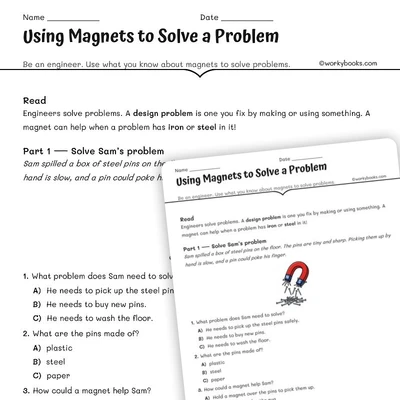
Worksheet · NGSS 3-PS2-4
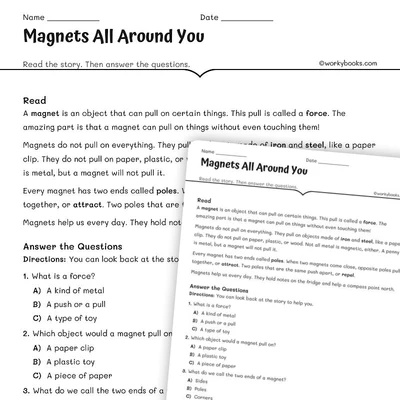
Worksheet · NGSS 3-PS2-3
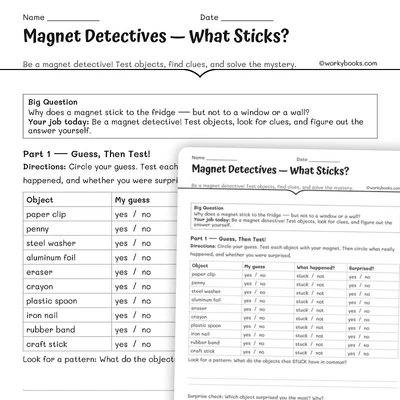
Worksheet · NGSS 3-PS2-3
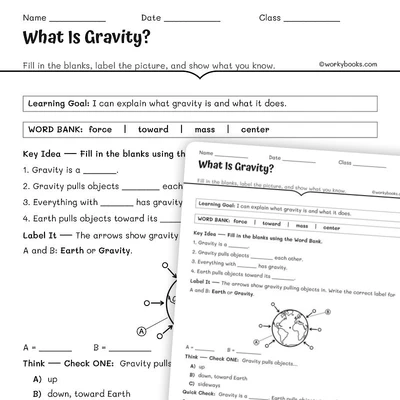
Worksheet · NGSS 5-PS2-1
Worksheet · NGSS 5-PS2-1
Reading Passage · MS-PS3-5
40% off until Aug 1
Worksheet · NGSS MS-PS2-2
Reading Passage · MS-PS2-1
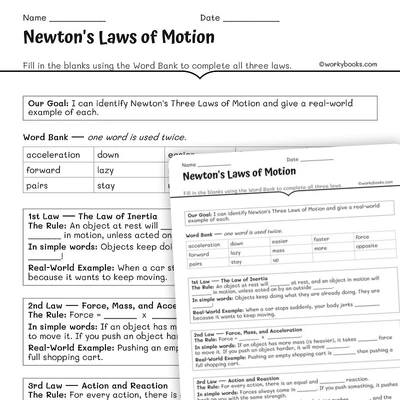
Worksheet · NGSS MS-PS2-2
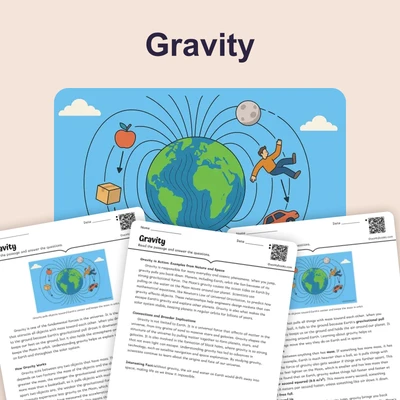
Reading Passage · MS-PS2-4
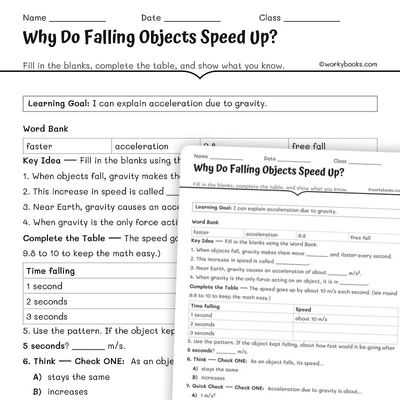
Worksheet · NGSS MS-PS2-2
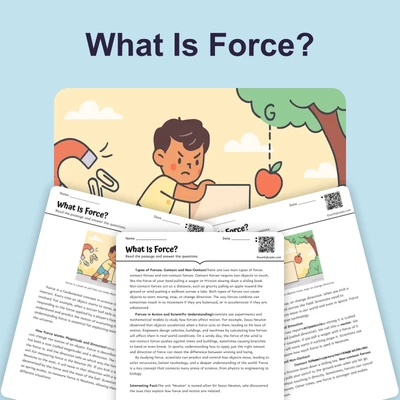
Reading Passage · MS-PS2-1
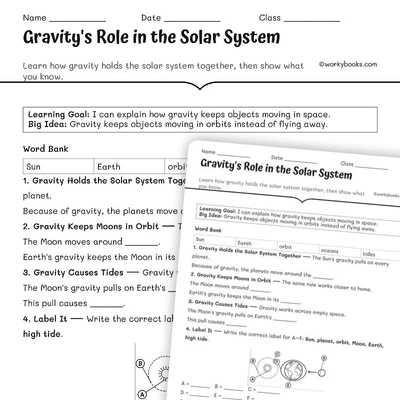
Worksheet · NGSS MS-ESS1-2
40% off until Aug 1
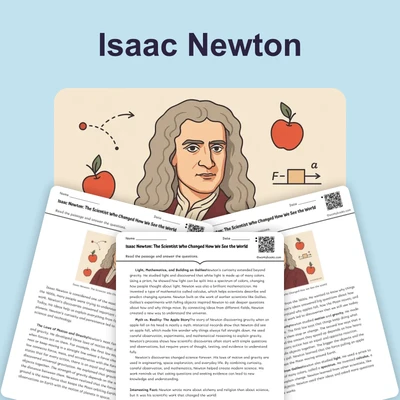
Reading Passage · MS-PS2-2
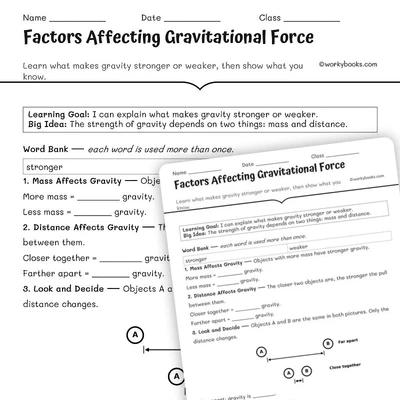
Worksheet · NGSS MS-PS2-2
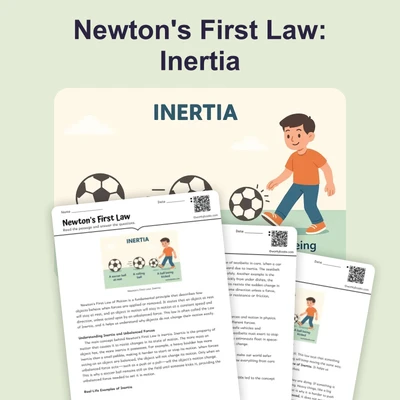
Reading Passage · MS-PS2-1
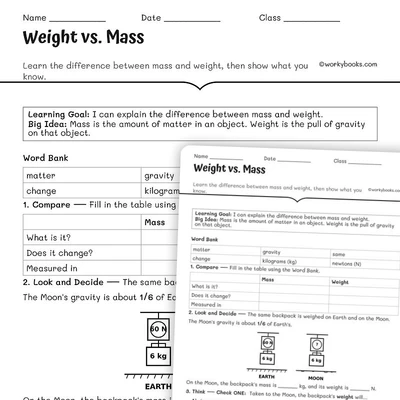
Worksheet · NGSS MS-PS2-4
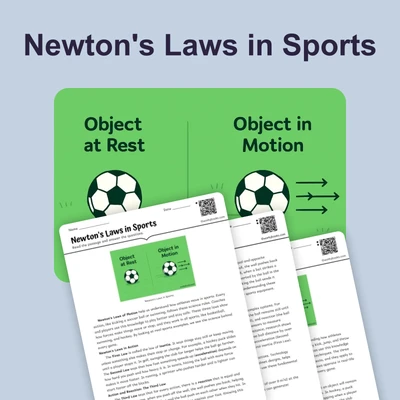
Reading Passage · MS-PS2-1
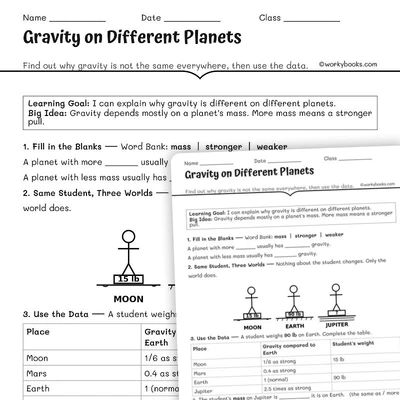
Worksheet · NGSS MS-PS2-4
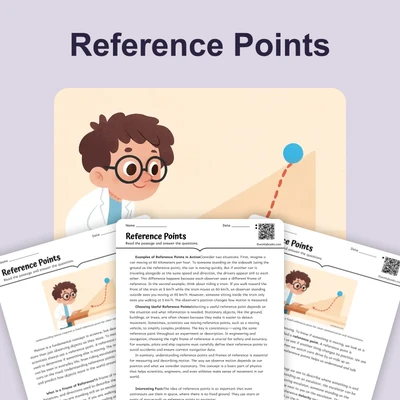
Reading Passage · MS-PS2-2
Reading Passage · MS-PS2-1
Reading Passage · MS-PS2-1
Three ways to use Workybooks — pick what fits.
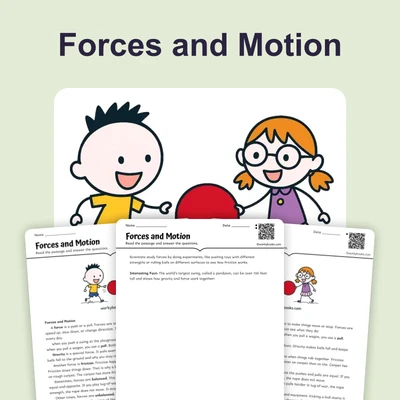
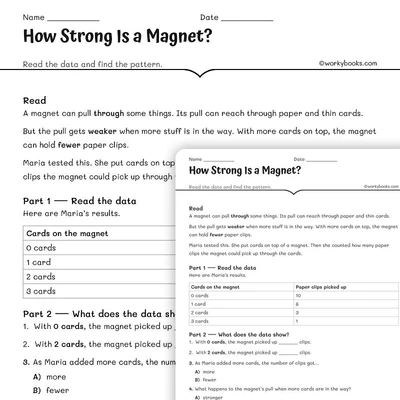
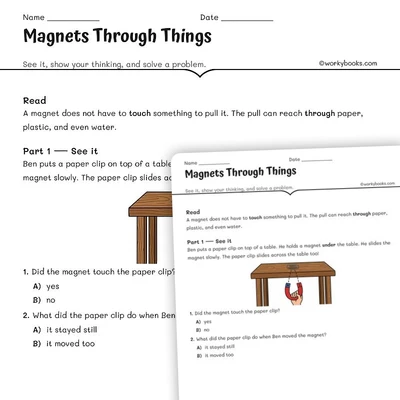
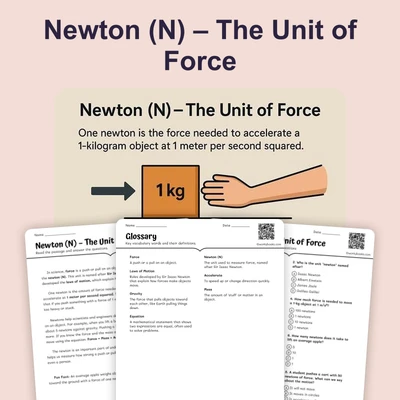
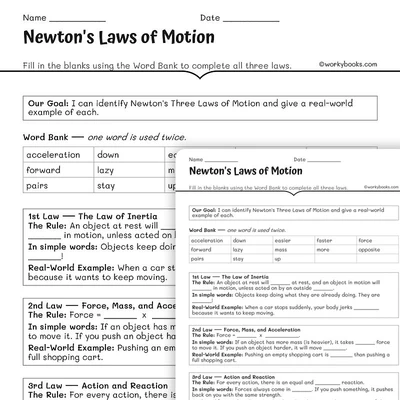
Forces and Motion concepts begin in the earliest grades with simple push and pull activities. Students classify everyday actions like opening a drawer or kicking a ball, learning that forces cause objects to move. As they progress, they explore balanced and unbalanced forces, gravity, and magnetism through hands-on sorting and problem-solving tasks. In upper elementary, students apply Newton's Laws of Motion to real-world phenomena such as rocket launches and inertia.
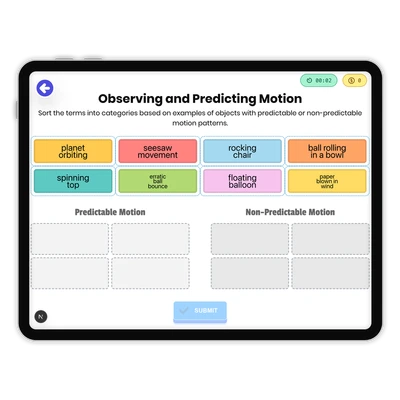
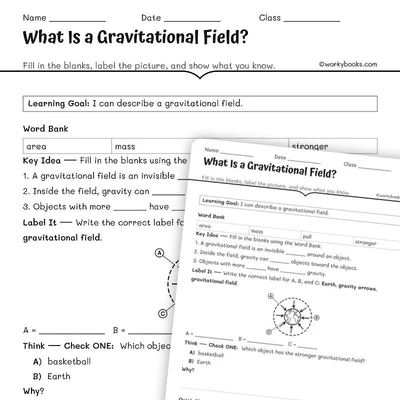
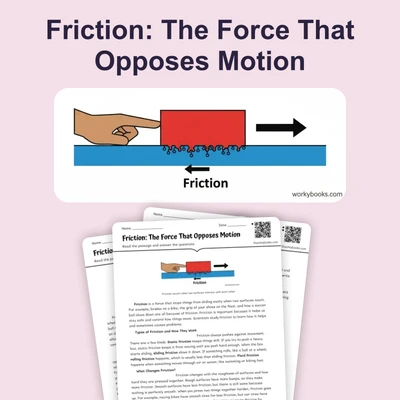
Related concepts include friction, motion patterns, gravitational fields, and magnetic solutions. Resources like word sorts, observation activities, and true/false challenges help students connect abstract ideas to concrete experiences. The progression from identifying forces to predicting motion and applying laws ensures a coherent understanding of how and why objects move.
Teachers can use this hub to differentiate instruction across a mixed-ability classroom. For whole-group lessons, select grade-appropriate reading passages or interactive games to introduce a concept. Small groups can work on word sorts or hands-on activities like magnet problem solvers. Centers offer independent practice with printable worksheets, while digital resources support intervention or review. Homework assignments can include motion pattern sorts or Newton's Laws challenges. Use the scaffolded resources for assessment, from simple push/pull sorts to complex force analysis, ensuring every student works at their level.
These resources align with grade-level Common Core standards for physical science, covering key concepts such as forces, motion, and interactions from kindergarten through fifth grade.
Yes, many of our Forces and Motion worksheets are printable and ready to use in your classroom. Some are also available as digital activities for online learning. While some resources are free, most require a paid Workybooks membership to access the full library.
Absolutely. Our Forces and Motion worksheets for kids are designed for grades K-5, with age-appropriate activities that build from simple push/pull recognition to Newton's Laws. Each resource is teacher-authored and standards-aligned to support young learners.
Each resource is labeled by grade level and skill focus. Start with push and pull for early grades, then progress to balanced forces, gravity, magnetism, and Newton's Laws for upper grades. You can also use the previews to gauge difficulty and differentiate within your classroom.
Yes, many resources like true/false challenges, word sorts, and observation activities work well as formative or summative assessments. They help you check understanding of key concepts such as inertia, gravitational fields, and force types.