Newton's Laws in Sports
Interactive passage with audio narration, comprehension questions, and printable PDF.
By completing this purchase you agree to our Terms of Use and Privacy Policy. Your subscription renews automatically until you cancel. You can cancel anytime from your account settings. All sales are final and non-refundable. Digital content is available for download in your account immediately upon purchase.
What's included
Newton's Laws in Sports preview and details
About this printable Newton's Laws in Sports science reading passage, NGSS-aligned (Grades 5-8)
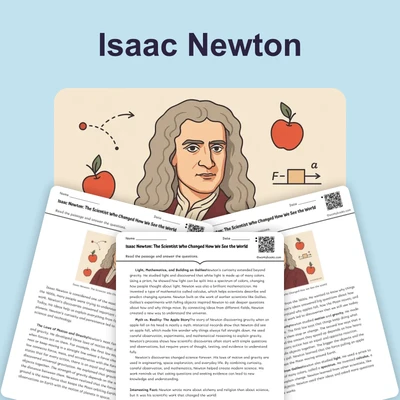
Sample passage and quiz from Newton's Laws in Sports
Reading passage and comprehension quiz preview
Newton's Laws in Sports
Newton's Laws of Motion form the foundation for understanding how athletes move and interact with their environment during sports. Every kick, jump, and throw is governed by these scientific principles. Coaches and athletes use this knowledge to improve performance, avoid injuries, and develop winning techniques. The three laws explain the relationship between forces, motion, and objects, and they apply to all sports, from soccer to swimming. By examining how these laws operate in real-life athletic situations, we can uncover the science that powers every game.
How Newton's Laws Work in Sports
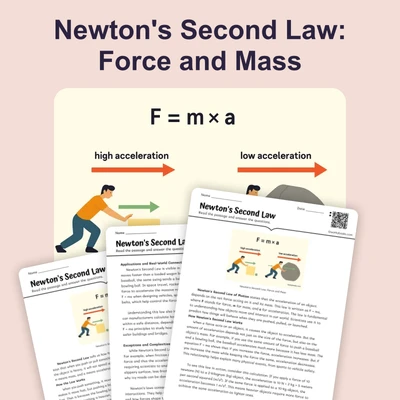
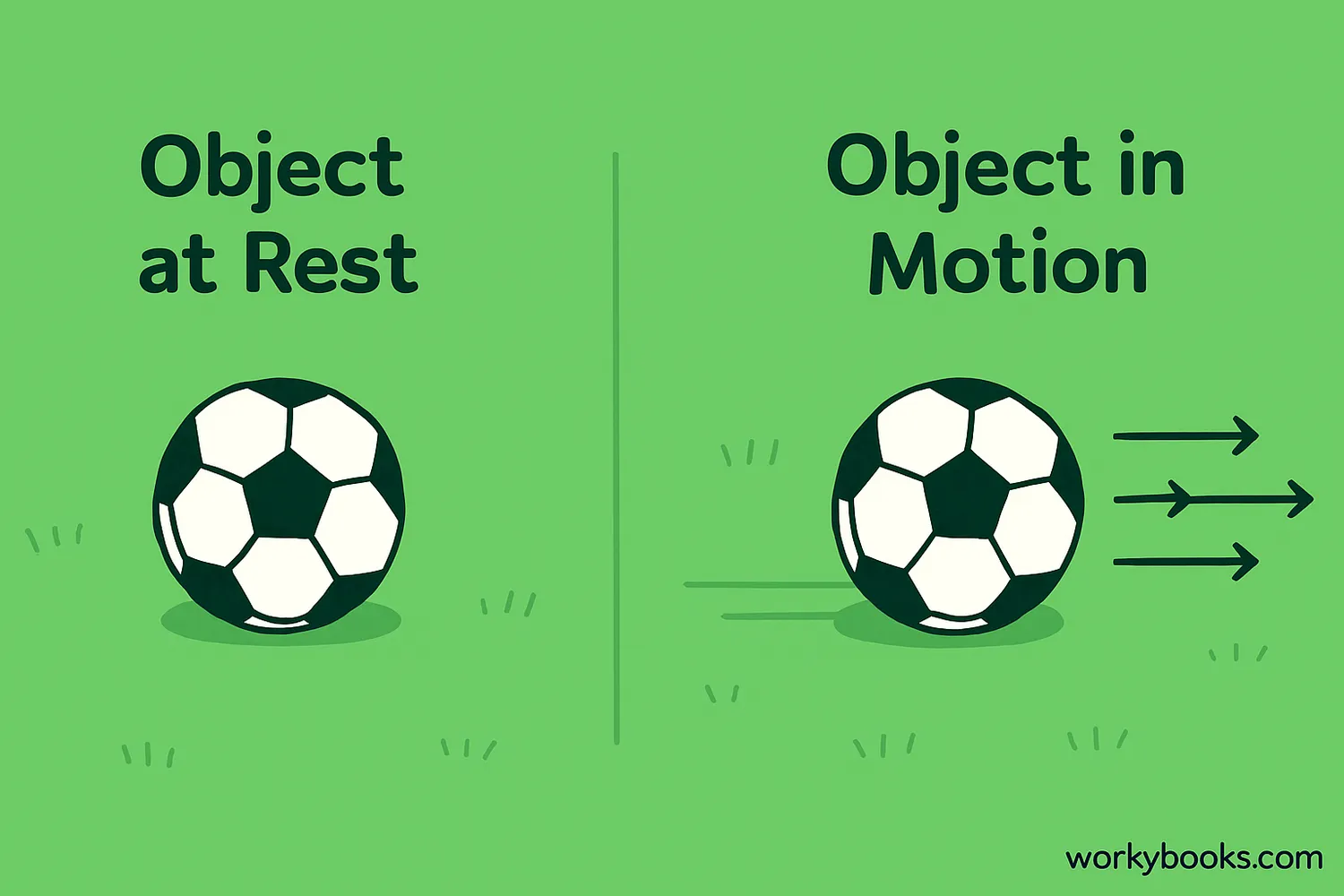
The First Law, also known as the law of inertia, states that an object will remain at rest or in motion unless acted upon by a net external force. In hockey, a puck slides smoothly across the ice because of low friction, only stopping when a player stops it or it hits the boards. In golf, a player's follow-through ensures the club applies force to the ball over a longer period, creating more distance. The Second Law shows that the acceleration of an object depends on the net force applied and its mass (Force = mass × acceleration). This is clear in tennis: a powerful serve uses a large force to accelerate the ball quickly. In sprinting, the lighter the athlete and the greater the force they exert, the faster their acceleration off the starting blocks.
Interactions and Reactions: The Third Law
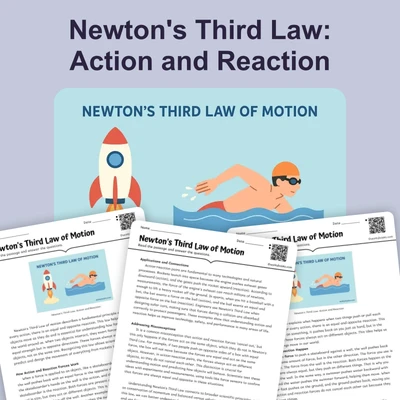
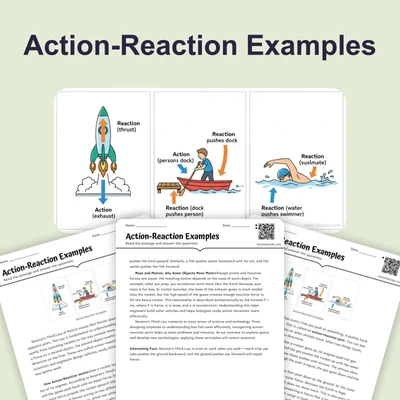
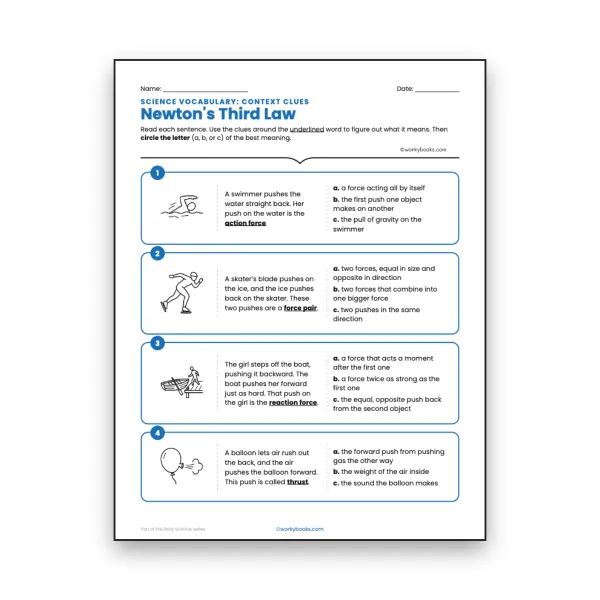
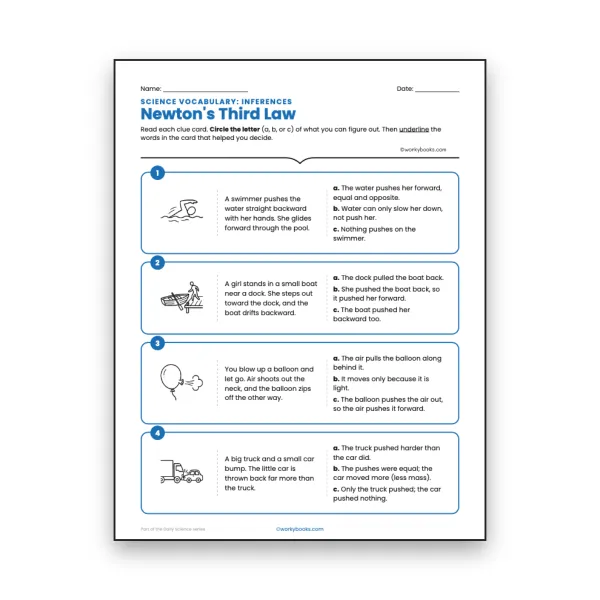
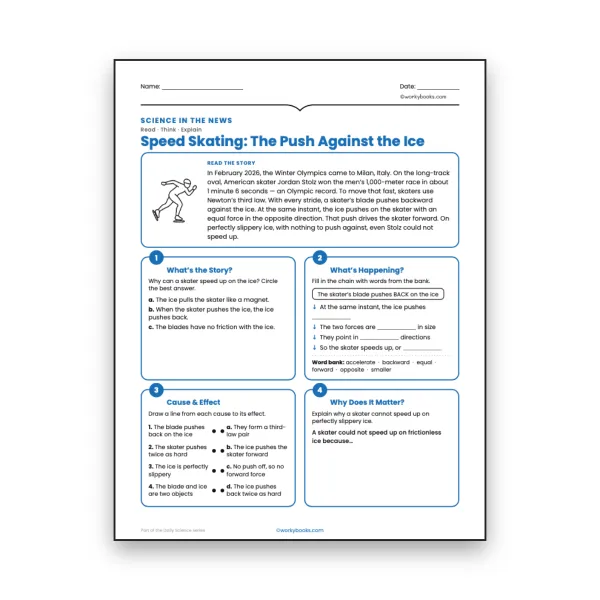
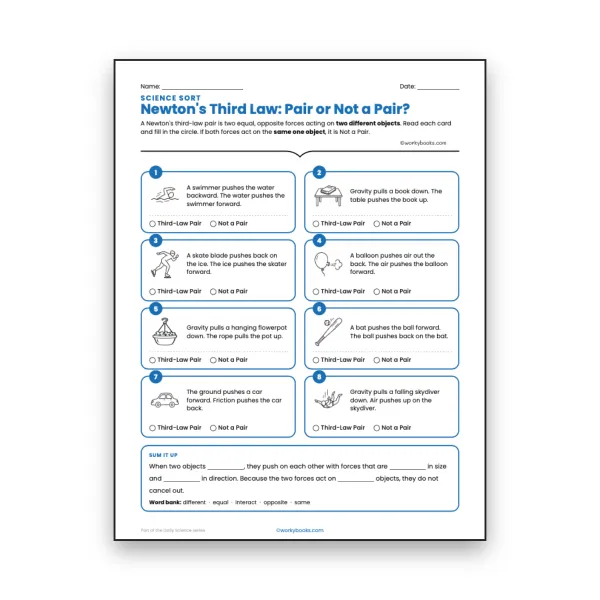
The Third Law states that for every action, there is an equal and opposite reaction. In swimming, when a swimmer pushes against the wall, the wall pushes back with equal force, propelling the swimmer forward. In baseball, when a bat strikes a ball, the force exerted by the bat is matched by the force exerted by the ball in the opposite direction. This law is also seen in soccer, where kicking the ball sends it flying, and the ball exerts a force back on the player's foot. Understanding these interactions helps athletes train effectively and design safer sports equipment.
Newton's Laws Across Sports Systems
These laws do not work in isolation; they interact within complex systems. For example, in basketball, a player's jump shot involves inertia (the ball remains still until the player shoots), acceleration (the force applied to the ball), and reaction (the ball pushes back on the player's hand). Coaches may use motion sensors to measure forces and adjust techniques for optimal performance. For instance, research shows that increasing follow-through time by 20% in golf can increase ball distance by over 10%. Sports engineers design lighter equipment to maximize acceleration (Second Law) and create surfaces with specific friction levels to control inertia (First Law).
Understanding Newton's laws in sports has broader implications. Technology inspired by sports science, such as improved shoe soles or helmet designs, helps prevent injuries in daily life. Athletes and scientists together use these fundamental laws to push the limits of human performance and innovation.
Interesting Fact: Olympic sprinters can reach accelerations of over 9 m/s2 at the start of a race, demonstrating the incredible forces athletes can generate!
Comprehension quiz (10 questions)
1. Which law explains why a hockey puck keeps sliding until something stops it?
2. According to the passage, what increases the distance a golf ball travels?
3. What is the main idea of the passage?
4. Which of the following is an example of the Third Law in sports?
5. What does 'inertia' mean as used in the passage?
6. In the passage, what does 'acceleration' mean?
7. Why do sports engineers design lighter equipment, according to the passage?
8. How do Newton's laws interact in a basketball jump shot?
9. True or False: The First Law of Motion is also known as the law of inertia.
10. True or False: The passage says that understanding Newton's laws only helps in sports, not in daily life.
Perfect for the way you teach
- Build comprehension skills
- Auto-graded quiz
- Differentiated reading
- Read together at home
- Improve fluency
- Quiet reading time
- Reading curriculum support
- Independent practice
- Track Lexile growth