Minerals and Rocks as Resources — Reading Comprehension
Rate this
Premium Resource
Present
Present in classroom. No work saved
Assign
Classroom with student accounts, Track progress
Quick Play
No student accounts, assign with a link
Grades
5
6
7
8
Standards
MS-ESS3-1
MS-ESS3-4
PRINT+DIGITAL RESOURCE
This learning resource is available in interactive and printable formats. The interactive worksheet can be played online and assigned to students. The Printable PDF version can be downloaded and printed for completion by hand.
This middle school science passage, aligned to NGSS standards MS-ESS3-1 and MS-ESS3-4, explores the critical role that minerals and rocks play as resources in our society. Students will learn how minerals are classified into categories such as ores, gemstones, building materials, and industrial minerals. The passage explains mining methods, including surface, underground, and solution mining, and delves into the environmental impacts like habitat destruction and water pollution. It highlights the importance of sustainability through recycling and responsible mining practices. Key science vocabulary is defined in context, and students are encouraged to think about cause-and-effect relationships within natural resource systems. The passage is supported by audio integration, Spanish translation, differentiation for struggling readers, multiple-choice and writing activities, and graphic organizers to enhance comprehension and critical thinking. This resource is ideal for grades 6-8 as part of a comprehensive Earth science or environmental science curriculum.
CONTENT PREVIEW
Expand content preview
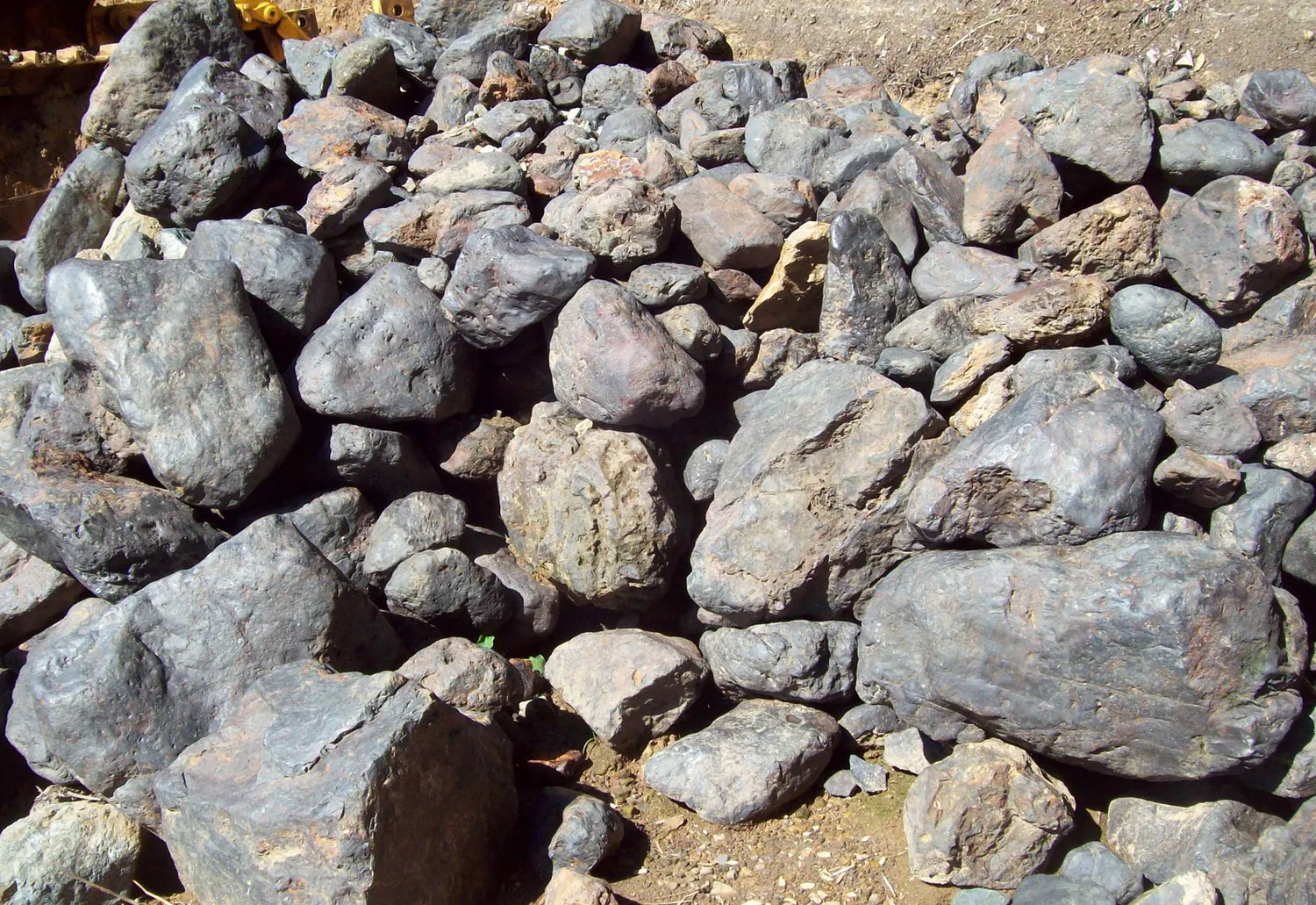
iron ore is processed to make steel, which is used in construction and transportation. Wikimedia Commons (Public domain).
Minerals and rocks are the foundation of many everyday products and technologies. From the steel in buildings to the glass in smartphones, these natural resources shape modern life. The process of extracting and using minerals and rocks involves complex systems that connect Earth’s geology with human needs. Understanding these connections helps explain why minerals and rocks are so valuable—and why managing them responsibly is important for the future.
How Are Minerals and Rocks Used? Minerals are naturally occurring, inorganic solids with a definite chemical composition and crystal structure. Rocks are solid mixtures of minerals. Certain minerals, called ore minerals, are mined because they contain valuable elements, such as iron, copper, or gold. For example, iron ore is processed to make steel, which is used in construction and transportation. Copper ore provides copper for electrical wiring and electronics. Gold ore is refined for coins, jewelry, and electronics. Some minerals form as gemstones, like diamonds, rubies, and emeralds, prized for their beauty. Other rocks, such as granite, marble, limestone, sandstone, and slate, are used as building materials. Industrial minerals like quartz (used in glass), gypsum (used in drywall), and halite (rock salt) are essential for manufacturing.
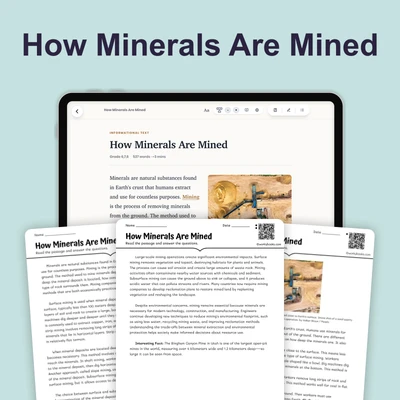
Mining Methods and Environmental Impacts To access these resources, people use different mining methods. Surface mining removes material from the Earth’s surface, making it efficient for shallow deposits. Underground mining is used for deeper deposits but is more dangerous and expensive. Solution mining involves dissolving minerals in liquid, then pumping the solution to the surface. Mining produces large amounts of waste and can cause habitat destruction, soil erosion, and water pollution. For instance, toxic chemicals from mining may contaminate rivers and groundwater. Globally, mining activities affect millions of square kilometers and contribute to environmental challenges.
Sustainable Use and Responsible Practices Because minerals and rocks are nonrenewable resources, it is essential to use them wisely. Sustainable practices include recycling metals, such as aluminum and copper, to reduce the need for new mining. Responsible mining involves minimizing waste, protecting habitats, and restoring land after mining ends (a process called remediation). Governments and companies work together to create regulations that lower environmental risks. Scientists also develop new technologies to use minerals more efficiently and find alternatives to scarce resources. Managing minerals and rocks responsibly is crucial for protecting ecosystems and ensuring resources for future generations.
Understanding the roles of minerals and rocks in society connects Earth science with economics, technology, and environmental stewardship. By examining these systems, scientists and citizens can make informed decisions about resource use and sustainability.
Interesting Fact: The world’s largest open-pit mine, the Bingham Canyon Mine in Utah, USA, is over 1,200 meters deep and can be seen from space!
Which of the following is considered an ore mineral?
Iron oreGraniteSlateGypsum
What is the main use of quartz mentioned in the passage?
Making jewelryGlass manufacturingBuilding highwaysProducing coins
Which mining method is best for shallow deposits?
Surface miningUnderground miningSolution miningAll of the above
What is one environmental impact of mining described in the passage?
Air pollution onlyHabitat destructionEarthquakesClimate change
What does the term 'remediation' mean as used in the passage?
Restoring land after miningMining deeper undergroundFinding new mineralsPolishing gemstones
In the passage, what is the purpose of sustainable practices?
To use minerals and rocks wisely and protect the environmentTo increase mining profits onlyTo make gemstones more beautifulTo speed up surface mining
Why is recycling metals like aluminum important according to the passage?
It makes mining easierIt reduces the need for new miningIt creates more wasteIt pollutes the water
True or False: Solution mining is used for minerals found deep underground.
TrueFalse
True or False: All rocks are made from only one type of mineral.
TrueFalse
What happens if mining wastes are not properly managed?
They can pollute water and harm ecosystemsThey improve soil qualityThey create gemstonesThey make rocks stronger
Perfect For:
👩🏫 Teachers
• Reading comprehension practice
• Auto-graded assessments
• Literacy skill development
👨👩👧👦 Parents
• Reading practice at home
• Comprehension improvement
• Educational reading time
🏠 Homeschoolers
• Reading curriculum support
• Independent reading practice
• Progress monitoring
Reading Features:
📖
Reading Passage
Engaging fiction or nonfiction text
❓
Comprehension Quiz
Auto-graded questions
📊
Instant Feedback
Immediate results and scoring
📄
Printable Version
Download for offline reading
🔊
Read Aloud
Voice-over with word highlighting
Reviews & Ratings
No reviews yet. Be the first to share your experience!
Related Content
How Do Solar Panels Work?
This middle school reading passage explains how solar panels work by turning sunlight into electricity. The passage desc...
MS-ESS3-1
How Do Wind Turbines Work?
This NGSS-aligned reading passage for middle school students explains how wind turbines convert the energy of moving air...
MS-ESS3-1
How Does a Hydroelectric Dam Work?
This NGSS-aligned science passage for middle school students explains how hydroelectric dams work to produce clean, rene...
MS-ESS3-1
What Is Biofuel?
This NGSS-aligned middle school science passage explains what biofuel is, how it is made, and why it is important as a c...
MS-ESS3-1
What Is Tidal Energy?
This engaging reading passage for middle school students introduces tidal energy, a form of renewable energy that uses t...
MS-ESS3-1
What Is Wave Energy?
This passage introduces middle school students to wave energy—a clean, renewable energy source that comes from the movem...
MS-ESS3-1
What Is Green Energy?
This science passage introduces middle school students to the concept of green energy—clean, renewable energy that comes...
MS-ESS3-1
Igneous Rocks
This comprehensive passage introduces middle school students to igneous rocks, focusing on how these rocks form from mol...
MS-ESS2-1MS-ESS3-1
Sedimentary Rocks
This comprehensive middle school science passage introduces students to sedimentary rocks, detailing their step-by-step ...
MS-ESS2-1MS-ESS2-3MS-ESS3-1
Metamorphic Rocks
This engaging middle school science passage introduces students to the fascinating world of metamorphic rocks. Aligned w...
MS-ESS2-1MS-ESS3-1
Topographic Maps
This comprehensive passage introduces middle school students to topographic maps, with a focus on how these maps represe...
MS-ESS2-2MS-ESS3-1SEP.4SEP.7
Benefits of Volcanic Activity
This middle school science passage explores the many positive impacts of volcanic activity, aligning with NGSS standards...
MS-ESS2-2MS-ESS3-1
Groundwater
This middle school science passage explores the essential topic of groundwater, aligned to NGSS standards MS-ESS2-4 and ...
MS-ESS2-4MS-ESS3-1
Distribution of Water on Earth
This middle school science reading passage explores the distribution of water on Earth, aligned with NGSS standards MS-E...
MS-ESS2-4MS-ESS3-1
Water as a Resource
This middle school science passage examines water as a critical resource, focusing on how it is used, managed, and conse...
MS-ESS3-1MS-ESS3-4
Water Quality
This middle school science reading passage covers the topic of water quality, aligned with NGSS standards MS-ESS3-1 and ...
MS-ESS3-1MS-ESS3-3
Natural Disaster: Tornadoes
Tornadoes are dangerous spinning columns of air. Knowing the signs and having safety plans can help protect you from the...
RI.3.1RI.4.4RI.4.2RI.5.2
Conservation Strategies
This comprehensive passage introduces students in grades 6-8 to the major strategies used in conservation biology, such ...
MS-LS2-5MS-ESS3-4
Environmental Problems and Solutions
This passage for grades 6-8 introduces major environmental problems such as habitat loss, pollution, climate change, inv...