Water as a Resource
Interactive passage with audio narration, comprehension questions, and printable PDF.
By completing this purchase you agree to our Terms of Use and Privacy Policy. Your subscription renews automatically until you cancel. You can cancel anytime from your account settings. All sales are final and non-refundable. Digital content is available for download in your account immediately upon purchase.
What's included
Water as a Resource preview and details
About this printable Water as a Resource science reading passage, NGSS-aligned (Grades 5-8)
Sample passage and quiz from Water as a Resource
Reading passage and comprehension quiz preview
Water as a Resource
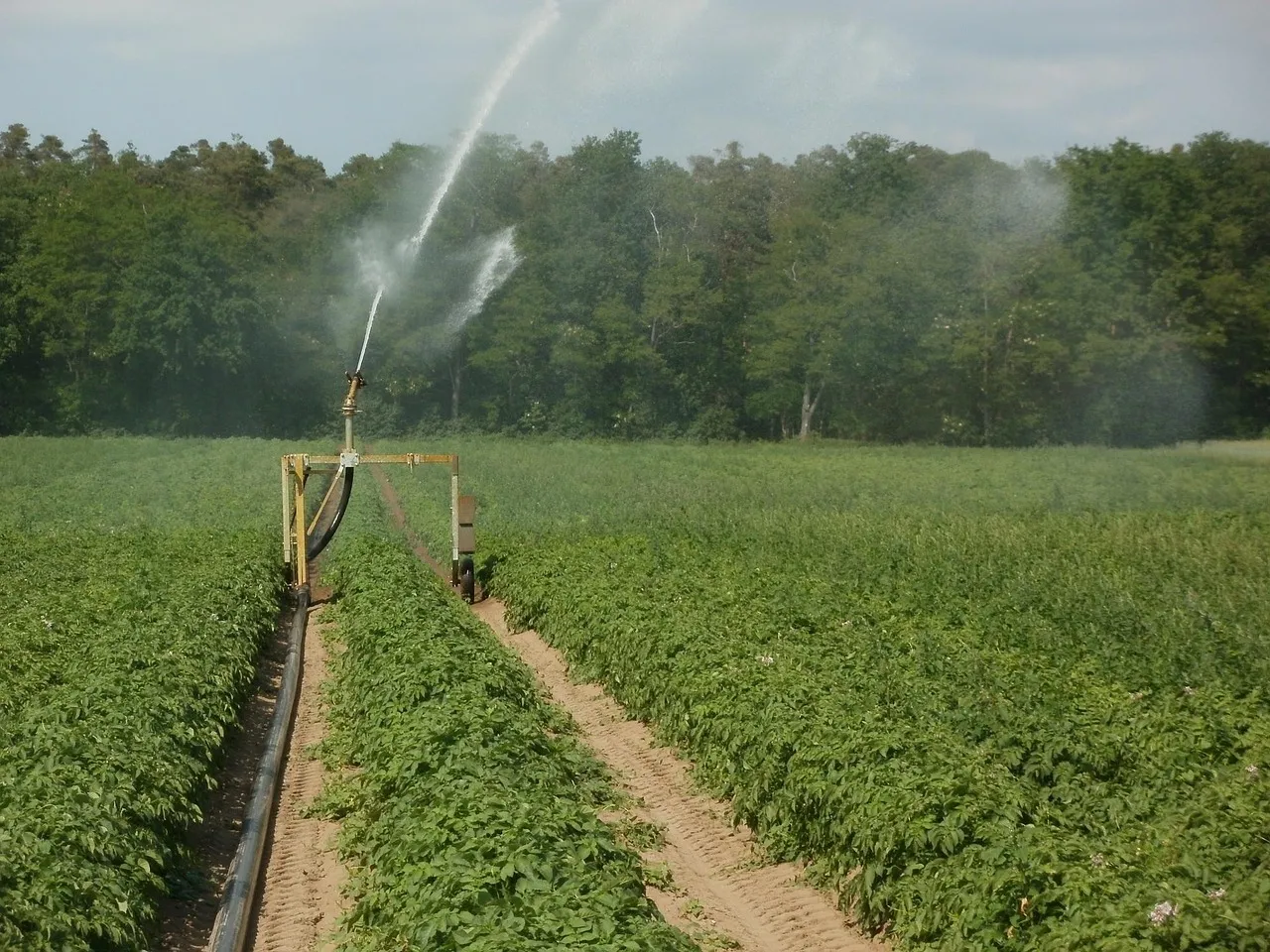
Farms often use irrigation systems to supply water to crops. Image by WikimediaImages / Pixabay.
Access to clean water is essential for all life on Earth. Across the globe, communities face serious challenges as they try to provide enough water for drinking, farming, and industry. The way people use and manage water affects not just human health, but also economies and the environment. Understanding how water is distributed and used helps scientists, engineers, and leaders make decisions that impact millions of people.
How We Use Water
Globally, about 70% of water use goes to agriculture, where it is needed to grow food and support livestock. Farms often use irrigation systems to supply water to crops, especially in dry regions. About 20% of water is used by industry, including factories and power plants, for cooling, cleaning, and making products. The remaining 10% is for domestic or municipal use, such as drinking, cooking, bathing, and cleaning in homes and cities. These percentages show that farming is by far the biggest user of water, so changes in agricultural practices can have a big impact on overall water use.
Water Infrastructure and Management
To deliver water where it is needed, humans have built extensive infrastructure including reservoirs, dams, aqueducts, canals, water treatment plants, and distribution systems. Reservoirs and dams store water for times of drought and control flooding. Aqueducts and canals move water over long distances to cities and farms. Water treatment plants make water safe for people to drink by removing harmful substances. However, much of this infrastructure is aging and costly to maintain, leading to leaks and water loss. In some regions, unequal access to modern infrastructure creates competition between farmers, industries, and households for limited supplies.
Conservation, Desalination, and Future Challenges
As populations grow and climate change alters rainfall patterns, ensuring enough water for all uses becomes more difficult. Conservation methods—such as using drip irrigation for crops, installing low-flow fixtures in homes, recycling water, and planting drought-resistant landscapes (xeriscaping)—help reduce waste. Another approach is desalination, which removes salt from seawater to create fresh water. Desalination is growing in use, especially in dry coastal areas, but it requires large amounts of energy. Disagreements over water rights, especially where rivers and groundwater cross political borders, can lead to conflicts between communities or nations. Scientists also track "virtual water trade," where water is used to produce food or goods that are then traded between countries, affecting global water balances.
Solving these challenges requires cooperation, new technologies, and careful management. The science of water resources connects to larger principles like the Earth’s systems, human impacts on the environment, and the need for sustainable solutions in a changing world.
Interesting Fact: If all the world’s water fit into a 4-liter jug, only one tablespoon would be fresh water available for humans to use!
Comprehension quiz (10 questions)
1. What is the largest use of water globally?
2. Which of the following is NOT part of water infrastructure?
3. About what percentage of water use is for industry worldwide?
4. What does 'desalination' mean as used in the passage?
5. Why is water conservation important according to the passage?
6. What is the main challenge with desalination?
7. Which best describes 'virtual water trade'?
8. What happens when water infrastructure is old and not maintained?
9. True or False: Most water worldwide is used in homes and cities.
10. True or False: Water rights disagreements can cause conflicts between regions or countries.
Perfect for the way you teach
- Build comprehension skills
- Auto-graded quiz
- Differentiated reading
- Read together at home
- Improve fluency
- Quiet reading time
- Reading curriculum support
- Independent practice
- Track Lexile growth