Effects of Colonialism on Indigenous Peoples
Interactive passage with audio narration, comprehension questions, and printable PDF.
By completing this purchase you agree to our Terms of Use and Privacy Policy. Your subscription renews automatically until you cancel. You can cancel anytime from your account settings. All sales are final and non-refundable. Digital content is available for download in your account immediately upon purchase.
What's included
Effects of Colonialism on Indigenous Peoples preview and details
About this printable Effects of Colonialism on Indigenous Peoples reading passage (Grades 5-8)
Sample passage and quiz from Effects of Colonialism on Indigenous Peoples
Reading passage and comprehension quiz preview
Effects of Colonialism on Indigenous Peoples
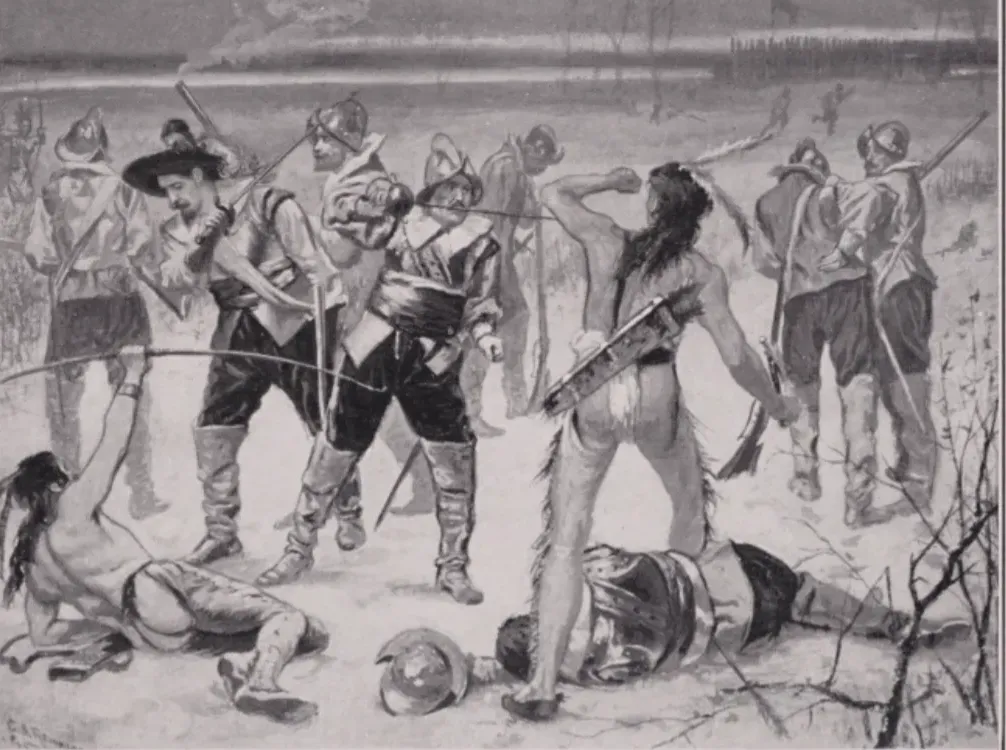
"Illustration from Lion Gardiner and the Pequot War"
Wikimedia Commons (Public domain).
Throughout the 1500s and 1600s, European powers, including Spain, England, and France, began to colonize what is now the United States. Colonialism involved the control and settlement of new territories by foreigners, often at the expense of the people already living there. The arrival of Europeans in North America drastically changed the lives of Indigenous peoples, who had lived on these lands for thousands of years.
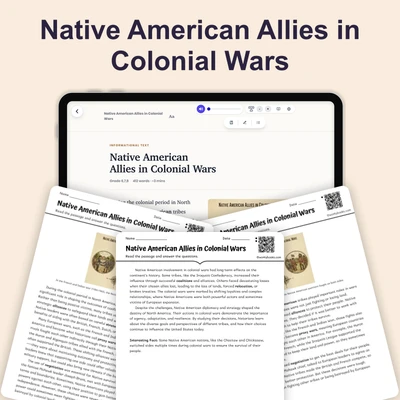
One of the most significant effects of colonialism was the loss of land. European settlers claimed large areas for farming, towns, and trade. For example, in 1620, the English established the Plymouth Colony on land inhabited by the Wampanoag people. The treaties made between some Indigenous nations and colonists were often broken or misunderstood. An example of this is the 1636 conflict known as the Pequot War, where English colonists and their Native allies destroyed Pequot villages in Connecticut. The loss of land disrupted traditional ways of life, forced migration, and led to violent conflict.
Disease also had a devastating impact. Europeans brought illnesses like smallpox and measles, which Indigenous peoples had never been exposed to. Without immunity, entire communities suffered. Historians estimate that in some regions, up to 90% of the Indigenous population died from diseases soon after first contact. In a 1616 letter, an English trader in New England described empty villages and fields because "the hand of God fell heavily upon them." These primary sources give us direct evidence of the catastrophic consequences of disease.
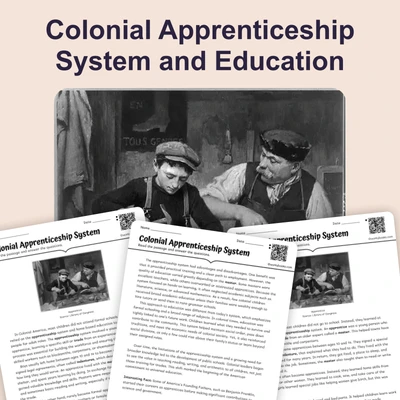
Colonialism also disrupted social structures and daily life. Missionaries and colonial governments tried to change Indigenous cultures, converting people to Christianity and pushing European languages and customs. Children were sometimes taken from their families to be educated in colonial schools. Despite these pressures, many Indigenous communities resisted, preserved their traditions, or adapted in creative ways. Archaeological findings, such as tools and pottery, show both loss and resilience.
The effects of colonialism on Indigenous peoples are a key chapter in American history. These changes shaped not only the development of the United States but also the survival, adaptation, and persistence of Native nations today.
Today, historians study colonialism’s impacts to understand the connections between past and present. Learning about these events helps us see how geography, power, and cultural contact have shaped the Americas.
Interesting Fact: Some Indigenous place names, such as Massachusetts and Connecticut, come from Native American languages and remain part of the map today.
Comprehension quiz (8 questions)
1. Which year was Plymouth Colony founded?
2. Who lived on the land before the English settled Plymouth?
3. What was a major cause of Indigenous deaths?
4. What did treaties often lead to?
5. How did missionaries affect Indigenous cultures?
6. What does the word 'resilience' mean?
7. Colonialism caused loss of land for Indigenous peoples. True or false?
8. What is a primary source?
Perfect for the way you teach
- Build comprehension skills
- Auto-graded quiz
- Differentiated reading
- Read together at home
- Improve fluency
- Quiet reading time
- Reading curriculum support
- Independent practice
- Track Lexile growth