This learning resource is available in interactive and printable formats. The interactive worksheet can be played online and assigned to students. The Printable PDF version can be downloaded and printed for completion by hand.
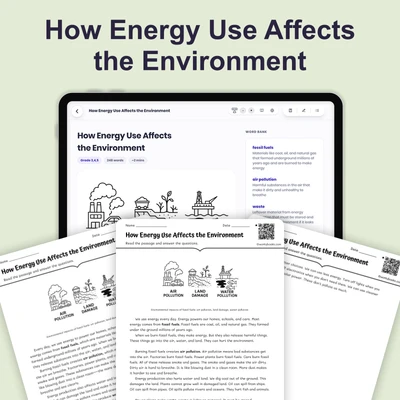
This engaging 250-word reading passage introduces fourth-grade students to the relationship between energy production and habitat loss, aligned with NGSS standard 4-ESS3-1. Students explore how humans obtain energy from coal, oil, and natural gas, and learn how building mines, drilling sites, and power plants can destroy places where animals and plants live. The passage uses age-appropriate language and real-world examples to help students understand the connection between energy use and ecosystem impacts. Key vocabulary terms including habitat, ecosystem, mining, drilling, and power plant are clearly defined within the context. The passage is audio-integrated to support diverse learners and includes a simplified differentiated version for students reading below grade level. Supplementary activities include comprehension questions, writing prompts, and graphic organizers that reinforce understanding of cause-and-effect relationships between human energy needs and environmental consequences. Spanish translations are provided for both passage versions to support English language learners. This resource builds foundational understanding of how human activities affect natural systems, preparing students for hands-on investigations and deeper discussions about energy resources and environmental stewardship.
CONTENT PREVIEW
Expand content preview
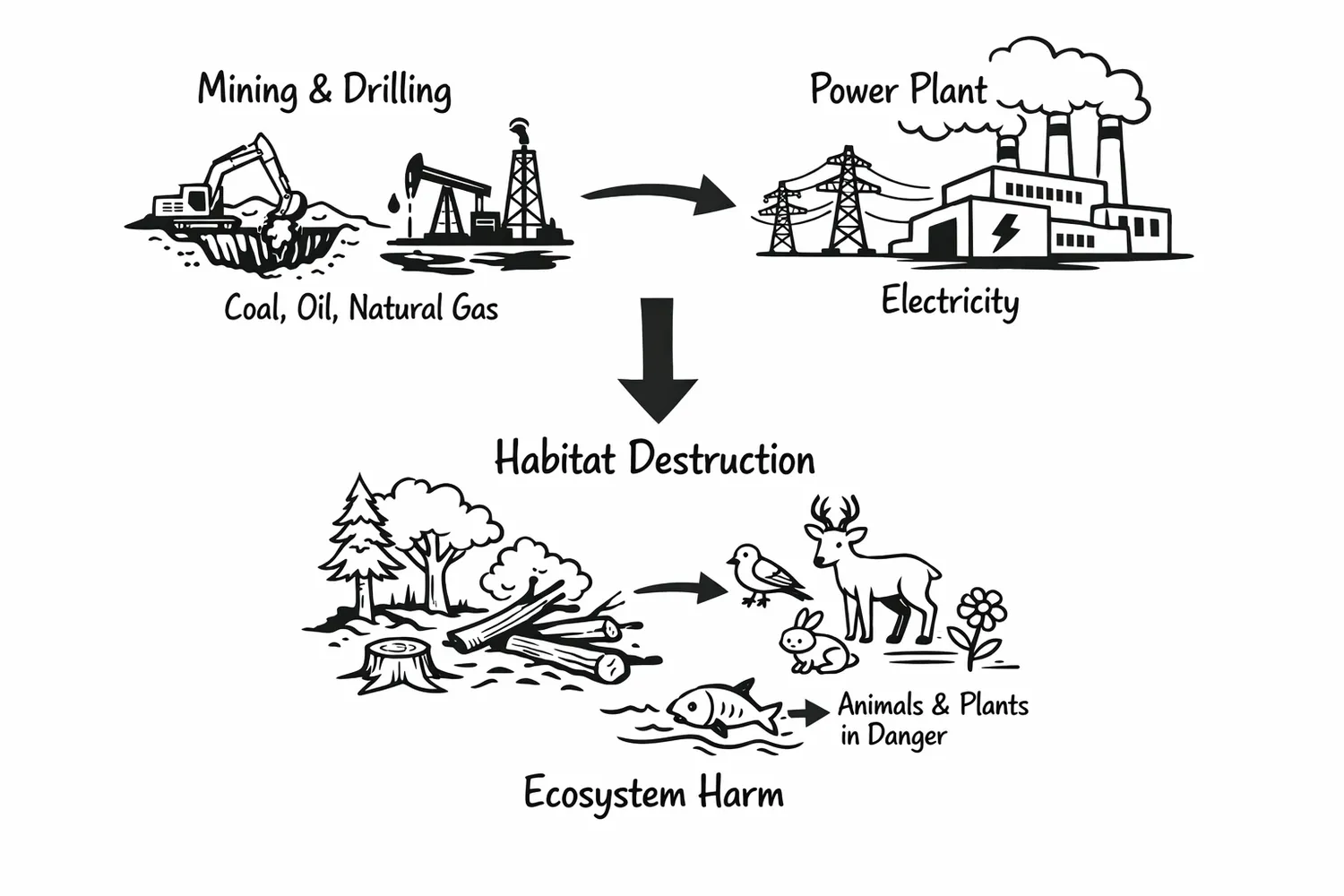
Energy extraction leads to habitat destruction, harming plants, animals, and ecosystems.
Humans need energy to power homes, schools, and cars. Energy is the ability to do work or cause change. We get most of our energy from natural resources like coal, oil, and natural gas that are buried deep underground.
To reach these energy resources, people must build mines, which are large holes dug into the earth to remove coal and other materials. They also create drilling sites, which are places where machines drill deep into the ground to pump out oil or natural gas. Once these resources are collected, they are often taken to power plants, which are buildings with large machines that burn fuel to make electricity.
Building these structures causes serious problems for nature. When companies clear land to build a mine, drilling site, or power plant, they remove trees, dig up soil, and change the landscape. This destroys the habitat, or natural home, where animals and plants live. A habitat provides food, water, and shelter that living things need to survive.
When habitats are destroyed, animals must find new places to live or they may die. Plants cannot move, so they are removed or buried. This harms the entire ecosystem, which is all the living and nonliving things in an area that interact with each other. For example, cutting down a forest for a coal mine removes homes for birds, squirrels, and insects, and destroys the plants they depend on for food.
Our energy use is connected to these impacts. The more energy we use, the more resources we need, and the more habitats may be destroyed.
What is energy?
The ability to do workA type of animalA kind of treeA building for machines
Where do we get most energy?
From trees and flowersFrom coal, oil, and gasFrom the sun onlyFrom animals
What is a habitat?
A type of energyA machine that drillsA natural home for animalsA kind of fuel
Why does building mines harm ecosystems?
It makes electricityIt destroys animal and plant habitatsIt creates new homesIt helps animals find food
What happens when habitats are destroyed?
Animals grow biggerPlants move to new placesAnimals must find new homesMore trees grow
How is energy use connected to habitats?
More energy use means more habitatsEnergy use has no effectMore energy use may destroy habitatsEnergy use creates new ecosystems
Power plants burn fuel to make electricity.
TrueFalse
An ecosystem includes all living and nonliving things.
Only living thingsOnly nonliving thingsAll living and nonliving thingsOnly plants
Perfect For:
๐ฉโ๐ซ Teachers
โข Reading comprehension practice
โข Auto-graded assessments
โข Literacy skill development
๐จโ๐ฉโ๐งโ๐ฆ Parents
โข Reading practice at home
โข Comprehension improvement
โข Educational reading time
๐ Homeschoolers
โข Reading curriculum support
โข Independent reading practice
โข Progress monitoring
Reading Features:
๐
Reading Passage
Engaging fiction or nonfiction text
โ
Comprehension Quiz
Auto-graded questions
๐
Instant Feedback
Immediate results and scoring
๐
Printable Version
Download for offline reading
๐
Read Aloud
Voice-over with word highlighting
Reviews & Ratings
No reviews yet. Be the first to share your experience!
Related Content
How Hydropower Works
This engaging 250-word science passage explains how hydropower works for Grade 4-5 students. Aligned with NGSS 4-ESS3-1,...
NGSS 4-ESS3-1
Reducing Air Pollution
This engaging 250-word science passage introduces Grade 4-5 students to the technology used to reduce air pollution from...
NGSS 4-ESS3-1
How We Can Use Less Energy
This engaging 250-word science passage for Grade 4-5 students explores how people can reduce the environmental impact of...
NGSS 4-ESS3-1
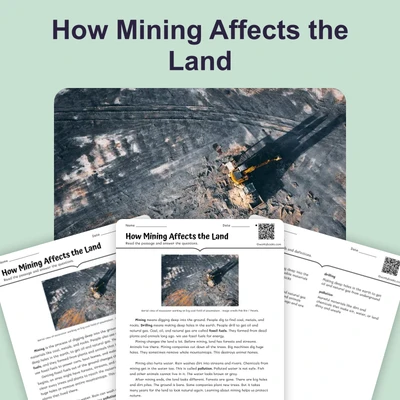
How Mining Affects the Land
This comprehensive 250-word reading passage helps Grade 4-5 students understand the environmental impacts of mining oper...
NGSS 4-ESS3-1
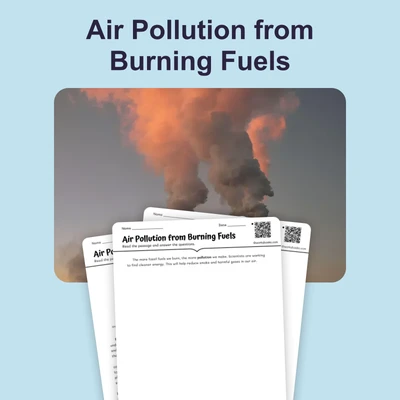
Air Pollution from Burning Fuels
This comprehensive science passage on air pollution is designed for Grade 4-5 students and aligns with NGSS 4-ESS3-1 sta...
NGSS 4-ESS3-1
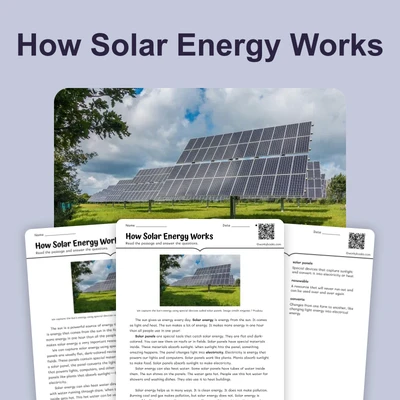
How Solar Energy Works
This engaging 250-word science passage explains how solar energy works for Grade 4-5 students. The reading explores how ...
NGSS 4-ESS3-1
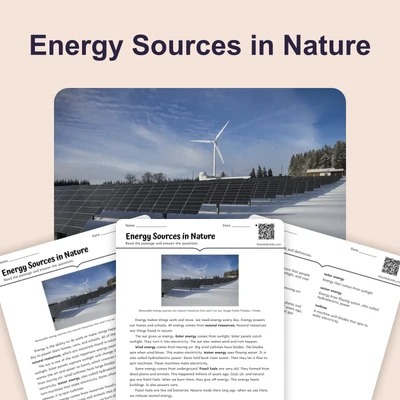
Energy Sources in Nature
This engaging 250-word science passage for Grade 4-5 students explores Energy Sources in Nature, aligned with NGSS stand...
NGSS 4-ESS3-1
What Is Fuel
This engaging 250-word science passage introduces Grade 4-5 students to the concept of fuel as any material that stores ...
NGSS 4-ESS3-1
Renewable vs Nonrenewable
This comprehensive 250-word passage helps Grade 4-5 students understand the critical difference between renewable and no...
NGSS 4-ESS3-1
How We Use Coal for Energy
This comprehensive 250-word reading passage introduces fourth-grade students to coal as an energy resource, aligned with...
NGSS 4-ESS3-1
Biomass Energy
This engaging Grade 4-5 science passage explains biomass energy and how it works as a renewable energy source. Students ...
NGSS 4-ESS3-1
How Wind Energy Works
This 250-word reading passage introduces fourth-grade students to wind energy and how it works, aligned with NGSS standa...
NGSS 4-ESS3-1
How We Use Oil for Energy
This 250-word reading passage aligns with NGSS standard 4-ESS3-1 and introduces fourth-grade students to oil as a vital ...
NGSS 4-ESS3-1
How We Use Natural Gas for Energy
This 250-word reading passage introduces fourth-grade students to natural gas as an important energy resource. Aligned w...
NGSS 4-ESS3-1
How Are Fossil Fuels Formed
This 250-word reading passage introduces fourth-grade students to the formation of fossil fuels, aligned with NGSS stand...
NGSS 4-ESS3-1
Where Do We Find Fossil Fuels
This Grade 4 Earth Science reading passage aligns with NGSS standard 4-ESS3-1 and introduces students to the locations a...
NGSS 4-ESS3-1
Why Fossil Fuels Run Out
This 250-word reading passage introduces fourth-grade students to the concept of nonrenewable energy resources, specific...
NGSS 4-ESS3-1
Benefits of Renewable Energy
This 250-word reading passage introduces fourth-grade students to the benefits of renewable energy sources aligned with ...
NGSS 4-ESS3-1
Challenges of Renewable Energy
This 250-word reading passage introduces fourth-grade students to the challenges of renewable energy sources, aligned wi...
NGSS 4-ESS3-1
How Energy Use Affects the Environment
This 250-word informational reading passage aligns with NGSS standard 4-ESS3-1 and introduces fourth-grade students to t...