Hazard Emergency Preparedness
Interactive passage with audio narration, comprehension questions, and printable PDF.
By completing this purchase you agree to our Terms of Use and Privacy Policy. Your subscription renews automatically until you cancel. You can cancel anytime from your account settings. All sales are final and non-refundable. Digital content is available for download in your account immediately upon purchase.
What's included
Hazard Emergency Preparedness preview and details
About this printable Hazard Emergency Preparedness science reading passage, NGSS-aligned (Grades 3-5)
Sample passage and quiz from Hazard Emergency Preparedness
Reading passage and comprehension quiz preview
Hazard Emergency Preparedness
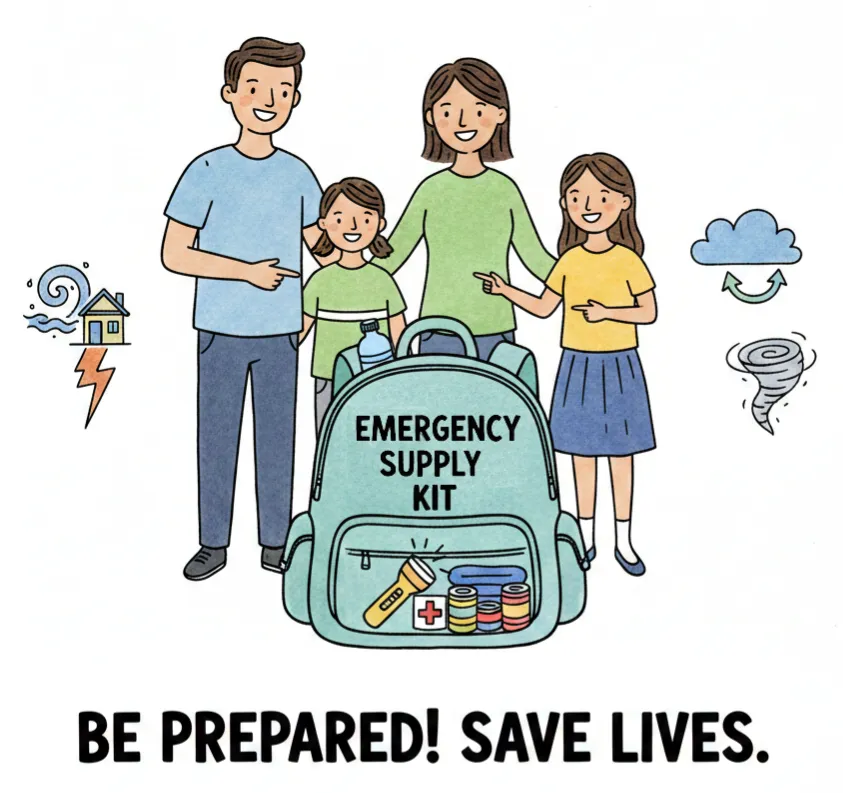
Emergency preparedness means getting ready for natural hazards before they happen. A natural hazard is a dangerous event in nature, such as an earthquake, flood, hurricane, or tornado. Being prepared helps keep people safe and reduces harm when these events occur.
Families need an emergency plan that everyone understands. This plan is a set of steps to follow during a disaster. It should include where family members will meet if they get separated, how they will contact each other, and where they will go for safety. Practicing the plan helps everyone remember what to do.
An emergency supply kit is a collection of items needed to survive for at least three days. The kit should include water (one gallon per person per day), nonperishable food like canned goods, a first aid kit, flashlights, extra batteries, blankets, and copies of important documents. Think of it like packing for a camping trip where stores are closed.
Communities and schools also prepare for emergencies. They practice evacuation drills, which are practice exercises for leaving a building or area quickly and safely. Communities set up emergency shelters where people can stay if their homes are unsafe. Schools have different plans for different hazards.
Being prepared does not stop natural hazards from happening, but it greatly reduces the harm they cause. Preparation saves lives.
Interesting Fact: Japan practices earthquake drills so often that students can evacuate their schools in less than three minutes! Their preparation has helped save thousands of lives during real earthquakes.
Comprehension quiz (8 questions)
1. What is a natural hazard?
2. How much water does each person need daily?
3. What should an emergency plan include?
4. Why do communities practice evacuation drills?
5. How does being prepared help people?
6. What is nonperishable food?
7. Preparation can completely prevent natural hazards from happening.
8. What is an evacuation drill?
Perfect for the way you teach
- Build comprehension skills
- Auto-graded quiz
- Differentiated reading
- Read together at home
- Improve fluency
- Quiet reading time
- Reading curriculum support
- Independent practice
- Track Lexile growth