The Tang and Song Dynasties: China's Golden Ages
Interactive passage with audio narration, comprehension questions, and printable PDF.
By completing this purchase you agree to our Terms of Use and Privacy Policy. Your subscription renews automatically until you cancel. You can cancel anytime from your account settings. All sales are final and non-refundable. Digital content is available for download in your account immediately upon purchase.
What's included
The Tang and Song Dynasties: China's Golden Ages preview and details
About this printable The Tang and Song Dynasties: China's Golden Ages reading passage (Grades 5-8)
Sample passage and quiz from The Tang and Song Dynasties: China's Golden Ages
Reading passage and comprehension quiz preview
The Tang and Song Dynasties: China's Golden Ages
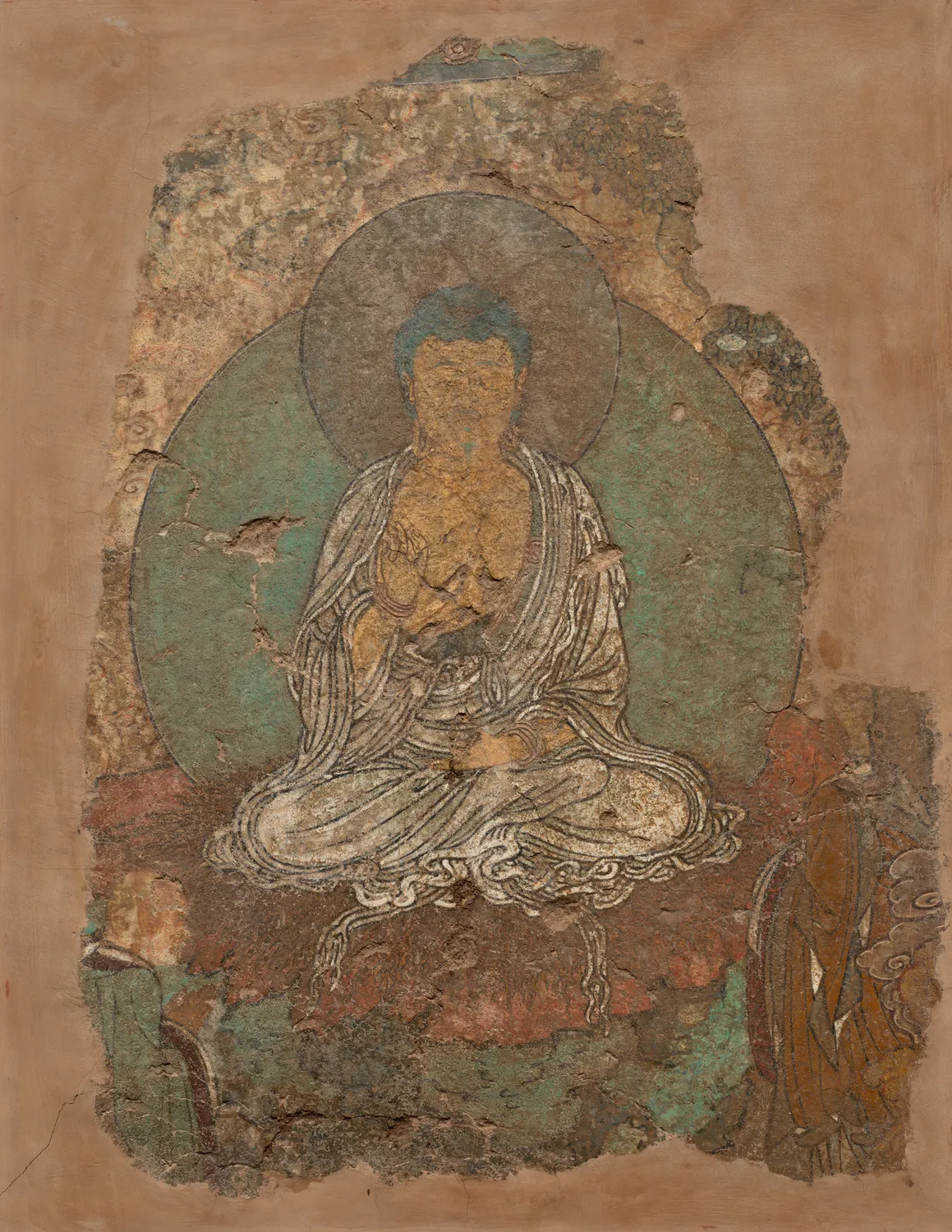
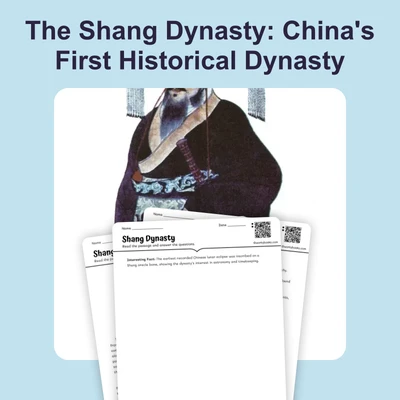
"China, Tang dynasty (618-907) - Song dynasty - Buddha in the Preaching Attitude - Cleveland Museum of Art" by anonymous / Wikimedia Commons (CC0).
The Tang and Song Dynasties are recognized as two of the most influential periods in Chinese history. Both dynasties ruled China during the first and second millennia CE and are often called China's Golden Ages for their remarkable achievements in government, technology, and culture.
The Tang Dynasty (618–907 CE) established a strong central government and expanded China's territory to its largest size. The capital city, Chang'an, became a vibrant center of trade and learning, attracting people from across Asia and beyond. The Tang government created the civil service examination system, allowing talented people to earn government jobs by passing difficult tests. This system helped promote merit over family connections, and was recorded in official government documents from the period. Under the Tang, great poets like Li Bai wrote famous works, and Buddhist art and architecture flourished. Archaeologists have found elaborate tombs from the Tang era filled with beautiful pottery and musical instruments, showing the dynasty's wealth and creativity.
After a brief period of division, the Song Dynasty (960–1279 CE) restored unity and brought further innovation. The Song are known for advances in science and technology. They invented woodblock printing and later moveable type, which made books and knowledge much more available to the public. Song-era iron tools and coins have been found by archaeologists, giving us evidence of a strong economy. The Song also encouraged trade along the Silk Road and by sea, connecting China to distant places like Persia and Africa. Urban life grew, and cities like Hangzhou became bustling centers of commerce and culture.
Chinese society during these dynasties was organized into a hierarchy. At the top were the emperor and his officials, followed by scholars, farmers, artisans, and merchants. Women’s roles were limited, but some, such as poet Li Qingzhao, made lasting impacts. Geography played an important role in shaping society. Fertile river valleys like the Yangtze provided abundant crops, while mountains and deserts offered protection from invaders. The government built canals and roads to improve transportation and unify the vast country.
The Tang and Song Dynasties left a powerful legacy. Their inventions, like gunpowder and the compass, changed world history. Their emphasis on education and merit shaped Chinese society for centuries. Today, many aspects of modern China, from art to government, trace their roots to these remarkable periods.
The achievements of the Tang and Song connect to broader themes in world history, such as the rise and fall of empires, the importance of innovation, and the impact of geography on civilizations.
Interesting Fact: During the Tang Dynasty, the city of Chang'an was probably the largest city in the world, with over one million people and residents from many different cultures.
Comprehension quiz (8 questions)
1. When did the Tang Dynasty begin?
2. Which city was Tang capital?
3. What did the Song Dynasty invent?
4. Why was the civil service exam important?
5. How did geography help China?
6. What was a result of Tang trade?
7. The Song Dynasty built the Great Wall. True or false?
8. What does 'hierarchy' mean?
Perfect for the way you teach
- Build comprehension skills
- Auto-graded quiz
- Differentiated reading
- Read together at home
- Improve fluency
- Quiet reading time
- Reading curriculum support
- Independent practice
- Track Lexile growth