Types of Spacecraft
Interactive passage with audio narration, comprehension questions, and printable PDF.
By completing this purchase you agree to our Terms of Use and Privacy Policy. Your subscription renews automatically until you cancel. You can cancel anytime from your account settings. All sales are final and non-refundable. Digital content is available for download in your account immediately upon purchase.
What's included
Types of Spacecraft preview and details
About this printable Types of Spacecraft science reading passage, NGSS-aligned (Grades 5-8)
Sample passage and quiz from Types of Spacecraft
Reading passage and comprehension quiz preview
Spacecraft Types
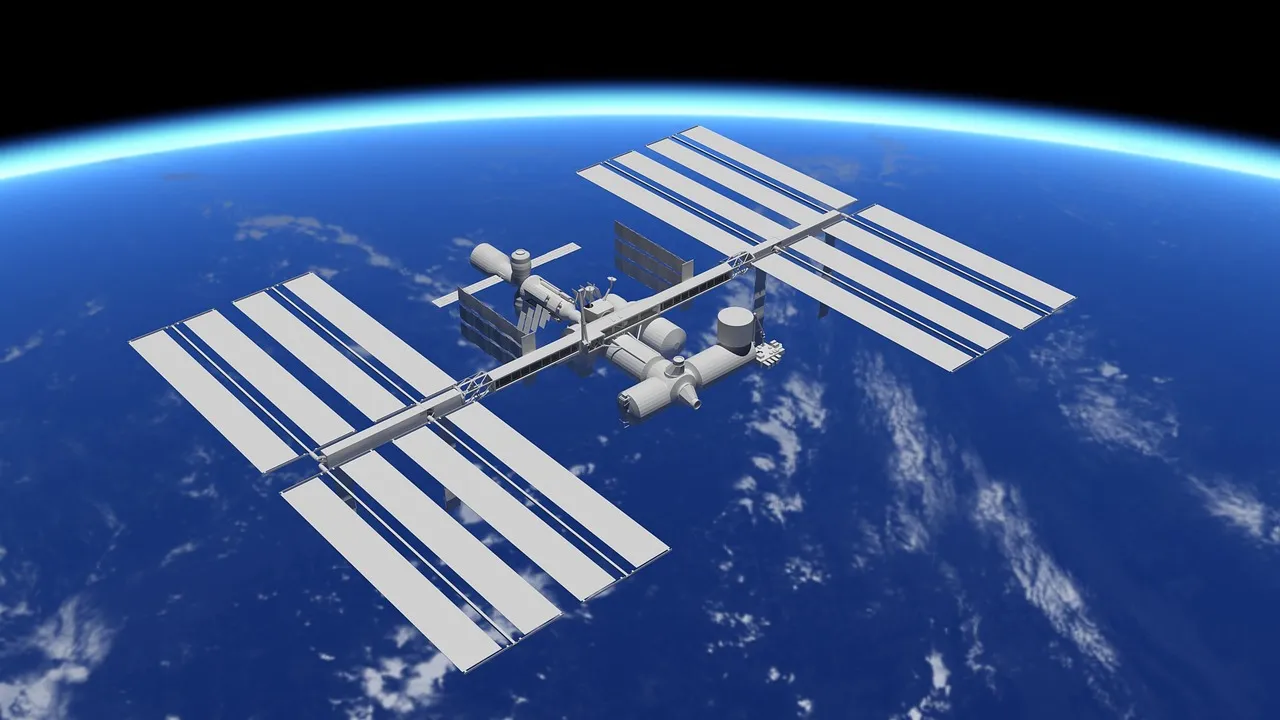
Source: Pixabay.
Spacecraft are essential tools for exploring planets, moons, asteroids, and comets throughout our solar system. Each type of spacecraft is designed to answer specific scientific questions and overcome unique challenges in space. Choosing the right design is crucial to gathering the data scientists need to understand how our universe works and how planets form, evolve, or even support life.
There are several main types of spacecraft, each with a unique mission profile. Some spacecraft fly past their targets, while others enter orbit, land, or even return samples to Earth. Engineers must balance factors like energy, distance, complexity, and scientific goals when designing these missions.
How Spacecraft Mission Types Work
The simplest mission type is the flyby. In a flyby, the spacecraft passes close to its target, gathering as much information as possible during a brief encounter. Flybys are fast, require less fuel, and can visit multiple objects, but they only provide limited data. The Voyager probes used flybys to study four planets—Jupiter, Saturn, Uranus, and Neptune—collecting vital images and measurements during their quick passes. New Horizons flew by Pluto in 2015, sending back the first detailed pictures ever taken of this distant world.
Orbiters are designed to slow down and enter stable orbits around their targets. This allows for long-term study and repeated observations. However, entering orbit requires extra fuel and complex engineering to slow the spacecraft. Examples include the Cassini orbiter at Saturn, Juno at Jupiter, and the Mars Reconnaissance Orbiter. The ability to observe over time lets scientists measure seasonal changes, weather patterns, and surface features in detail.
Landing, Roving, and Returning
Landers go a step further by touching down on the surface of a planet, moon, or asteroid. Landing is extremely challenging because the spacecraft must slow itself, survive the descent, and operate in harsh environments. The Viking landers explored Mars, while Venera landers survived Venus’s crushing pressure and heat for about an hour. Some landers are mobile: rovers like Sojourner, Spirit, Opportunity, Curiosity, and Perseverance can drive around, study rocks, and explore a wider area than stationary landers. Mobility allows rovers to seek out interesting features, such as dried riverbeds or unusual mineral deposits, providing more diverse scientific data.
Sample return missions collect material from other celestial bodies and bring it back to Earth for detailed analysis. These are the most complex and risky missions, involving landing, collecting samples, launching from the surface, and returning safely. Missions like Stardust (comet dust), Hayabusa (asteroid), and OSIRIS-REx (asteroid) have brought back valuable samples, giving scientists clues about the early solar system. Future missions aim to return samples from Mars, which could answer questions about life beyond Earth.
Crewed Spacecraft and the Challenge of Sustaining Life
Crewed spacecraft carry humans, making them the most complex of all. They must supply air, water, food, and protection from radiation and micrometeoroids. Examples include Apollo (Moon missions), the Space Shuttle, Crew Dragon, and Soyuz. Designing for human survival adds many layers of engineering: life support systems, emergency procedures, and safe return plans. Crewed missions enable detailed experiments and repairs but also increase risk and cost.
Choosing the right spacecraft type depends on the scientific questions being asked, the environment of the target, and available technology. Each type has contributed major discoveries, from the first close-up images of planets to the search for signs of water or life. As technology advances, new hybrid spacecraft and robotic systems may combine the strengths of multiple mission types.
Interesting Fact: The Voyager 1 spacecraft, launched in 1977, is now the most distant human-made object—over 23 billion kilometers from Earth and still sending back data!
Comprehension quiz (10 questions)
1. What is the main purpose of a flyby spacecraft mission?
2. Which spacecraft is known for orbiting Saturn for many years?
3. Why do orbiters need more fuel than flyby spacecraft?
4. What is a rover and why is it important for surface exploration?
5. In the passage, what is described as the most complex type of spacecraft mission?
6. What does the word 'orbit' mean in the context of spacecraft?
7. Which mission type allows scientists to bring materials back from other planets or asteroids?
8. What is one advantage of a flyby mission compared to an orbiter?
9. True or False: Rovers are stationary spacecraft that cannot move after landing.
10. True or False: Sample return missions are difficult because they must land, collect samples, and return them safely to Earth.
Perfect for the way you teach
- Build comprehension skills
- Auto-graded quiz
- Differentiated reading
- Read together at home
- Improve fluency
- Quiet reading time
- Reading curriculum support
- Independent practice
- Track Lexile growth