Basalt: Common Volcanic Rock — Reading Comprehension
Rate this
Premium Resource
Present
Present in classroom. No work saved
Assign
Classroom with student accounts, Track progress
Quick Play
No student accounts, assign with a link
Grades
6
PRINT+DIGITAL RESOURCE
This learning resource is available in interactive and printable formats. The interactive worksheet can be played online and assigned to students. The Printable PDF version can be downloaded and printed for completion by hand.
This engaging educational passage, 'Basalt: Common Volcanic Rock,' introduces students to basalt, a fundamental type of igneous rock. It covers how basalt forms from cooling lava, its distinctive dark color and fine-grained texture, and its abundance in Earth's oceanic crust and volcanic regions. The passage highlights basalt's connection to plate tectonics, explaining its role in seafloor spreading and volcanic activity. Aligned with NGSS MS-ESS2-3, it helps students understand the distribution of rocks as evidence of past plate motions. The content is designed for a Grade 6 reading level, using simple language and defining key terms. All passages and activities are audio integrated, making learning accessible and comprehensive.
CONTENT PREVIEW
Expand content preview
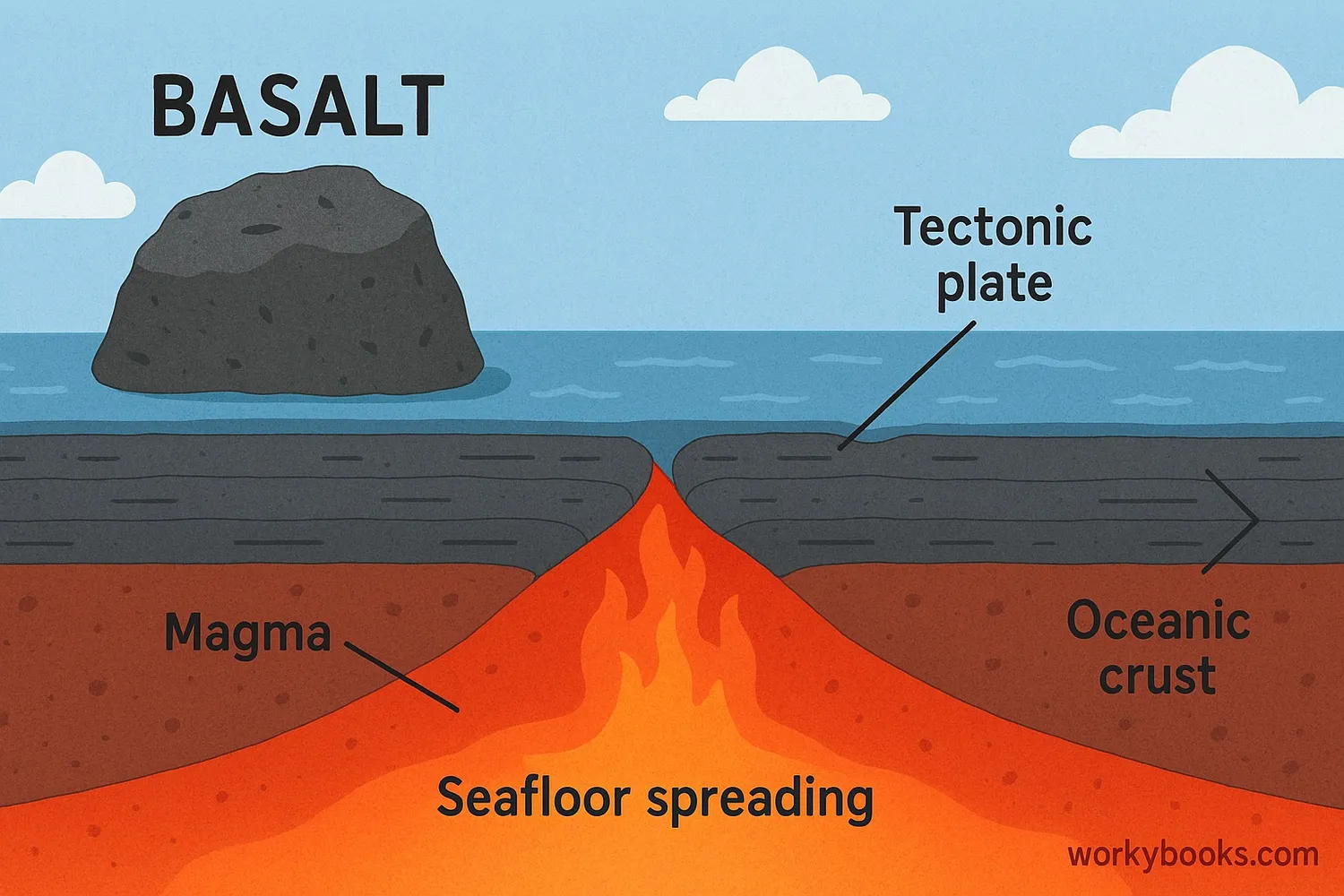
Basalt forms from lava at ocean ridges through seafloor spreading
Have you ever seen a dark, heavy rock that looks like it came from a volcano? Chances are, you were looking at basalt! Basalt is a very common type of volcanic rock. It forms when lava cools down very quickly on Earth's surface. Because it cools fast, the mineral crystals inside basalt are very small, making it look fine-grained. You can't usually see the individual crystals without a microscope.
Basalt is an igneous rock, which means it formed from molten rock. When molten rock is underground, it's called magma. When magma erupts onto the surface, it becomes lava. Basalt is almost always dark gray or black. This dark color comes from the minerals it's made of, which are usually rich in iron and magnesium. These minerals make basalt quite dense and heavy.
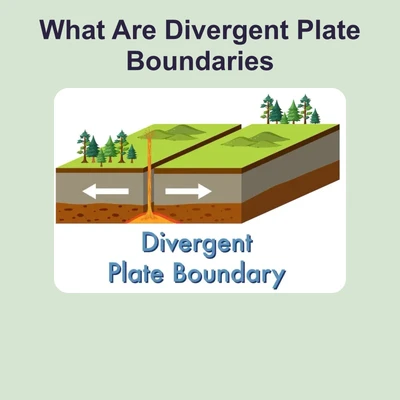
Where can you find basalt? It's everywhere! Basalt makes up most of Earth's oceanic crust, which is the part of the Earth's crust that lies beneath the oceans. When tectonic plates move apart, magma rises from deep within the Earth to fill the gap. This magma erupts as lava, which then cools to form new basaltic seafloor. This process is called seafloor spreading and is a key part of plate tectonics.
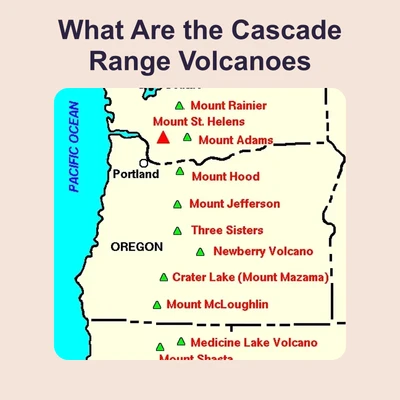
You can also find basalt in many volcanic regions around the world, like Hawaii, Iceland, and the Pacific Northwest. The Giant's Causeway in Northern Ireland is another famous example of basalt formations, where the rock cooled into impressive hexagonal columns. Understanding where basalt is found helps scientists learn about Earth's past plate motions and volcanic history. It's a rock that tells a big story about our planet's dynamic processes.
Interesting Fact: Basalt is also found on the Moon and Mars, showing that volcanic activity has occurred on other celestial bodies too!
What color is basalt usually?
Dark gray or blackLight blue or whiteBright red or orangeGreen or yellow
What is molten rock called underground?
MagmaLavaBasaltCrust
Basalt forms from magma.
TrueFalse
Which term describes basalt's formation?
Igneous rockSedimentary rockMetamorphic rockOrganic rock
Why are basalt's crystals small?
Cools very quicklyDeep undergroundHigh pressureMade of water
Where is basalt most commonly found?
Oceanic crustDesert sandsMountain peaksRiver beds
What process forms new basaltic seafloor?
Seafloor spreadingErosionWeatheringCompaction
Basalt's dark color is due to:
Iron and magnesiumQuartz and feldsparCalcium and carbonGold and silver
If you find a dark, fine-grained rock near a volcano, it is likely:
BasaltSandstoneMarbleShale
Observing basalt on the seafloor helps scientists understand:
Past plate motionsCloud formationsPlant growthAnimal migration
Perfect For:
👩🏫 Teachers
• Reading comprehension practice
• Auto-graded assessments
• Literacy skill development
👨👩👧👦 Parents
• Reading practice at home
• Comprehension improvement
• Educational reading time
🏠 Homeschoolers
• Reading curriculum support
• Independent reading practice
• Progress monitoring
Reading Features:
📖
Reading Passage
Engaging fiction or nonfiction text
❓
Comprehension Quiz
Auto-graded questions
📊
Instant Feedback
Immediate results and scoring
📄
Printable Version
Download for offline reading
🔊
Read Aloud
Voice-over with word highlighting
Reviews & Ratings
No reviews yet. Be the first to share your experience!
Related Content
Tools and Technology in Earth Science
This middle school science reading passage explores the wide range of tools and technologies used in Earth science, from...
MS-ESS2-2MS-ESS3-2MS-ETS1-1MS-PS4-3
Scientific Inquiry in Earth Science
This passage explores scientific inquiry in Earth science for grades 6-8, aligned with NGSS standards MS-ESS1-4, MS-ESS2...
MS-ESS1-4MS-ESS2-1MS-ESS3-5SEP
What Is Earth Science?
This engaging middle school science passage introduces students to the field of Earth science, aligning with NGSS standa...
MS-ESS1MS-ESS2MS-ESS3SEP
Earth: Our Home in Space
This engaging Grade 4-5 science passage, aligned to NGSS, introduces students to Earth's special place in the solar syst...
Earth's Spheres
This middle school science passage introduces students to Earth's four major spheres: the geosphere, hydrosphere, atmosp...
MS-ESS2-4MS-ESS2-6
What Is Space Weather and How Does It Affect the Earth?
This NGSS-aligned science passage for middle school explains what space weather is and how it affects Earth. Students le...
MS-ESS2-2
Earth's Energy Balance
This engaging, NGSS-aligned science passage for grades 6–8 explores Earth's energy balance, a key process that keeps our...
MS-ESS2-6
Earth's Rotation
This middle school science passage, aligned with NGSS standard MS-ESS1-1, focuses on Earth's rotation—how Earth spins on...
MS-ESS1-1
Earth's Land and Water
This 250-word reading passage introduces fourth-grade students to the fundamental concept of how land and water are dist...
NGSS 4-ESS2-2ESS2.B
Earth's Interior
This comprehensive passage for grades 6-8 explores Earth's layered interior, including the crust, mantle, outer core, an...
MS-ESS2-1MS-ESS2-2
Facts About Earth
This engaging science reading passage introduces Grade 4 and 5 students to Earth, our home planet. Aligned with NGSS sta...
Meteorite Impacts on Earth
This engaging science reading passage for Grades 4-5 explores meteorite impacts on Earth, aligning with NGSS standards. ...
Venus: Earth's Twin?
This comprehensive science passage for grades 6-8 examines Venus—often called Earth's twin—by exploring its similarities...
MS-ESS1-2MS-ESS1-3
Earth Changes Over Millions of Years
This engaging, audio-integrated science passage for Grade 4-5 students explores how Earth has changed over millions of y...
Volcano Patterns on Earth
This Grade 4 science reading passage introduces students to volcano patterns on Earth, aligned with NGSS standard 4-ESS2...
NGSS 4-ESS2-2
Earth's Moon Facts
This engaging science passage, 'The Moon: Earth's Companion,' is designed for Grade 4-5 students and aligns with NGSS ge...
Earth's Quick and Slow Changes
In 'Earth's Quick and Slow Changes,' students categorize 12 Earth events by their speed of occurrence, enhancing underst...
Earth: Our Home Planet
This comprehensive science passage for grades 6-8 explores Earth’s unique characteristics and the interconnected systems...
MS-ESS1-2
Earth's Revolution
This middle school science passage explores the science behind Earth's revolution around the Sun, closely aligned with N...
MS-ESS1-1
Earthquake Patterns on Earth
This engaging 250-word reading passage introduces fourth-grade students to earthquake patterns on Earth, aligned with NG...