This reading passage explores the food, homes, and traditions of Native American tribes in California before European contact. Students will learn how different tribes used natural resources to build homes, gather and hunt for food, and create unique traditions that shaped their communities. The passage highlights the diversity of tribal cultures and their creative solutions to living in different environments. Aligned with C3 Framework and Common Core standards, this engaging resource is designed to build history knowledge and literacy skills. Activities include a glossary, comprehension quiz, writing prompts, timeline, and graphic organizer, making it perfect for classroom or independent learning. A Spanish translation and read aloud audio are included for accessibility. This resource is ideal for teaching about Native Californian history and culture.
Written by Workybooks TeamPublished by Workybooks
Preview
Sample passage and quiz content
CONTENT PREVIEW
Expand content preview
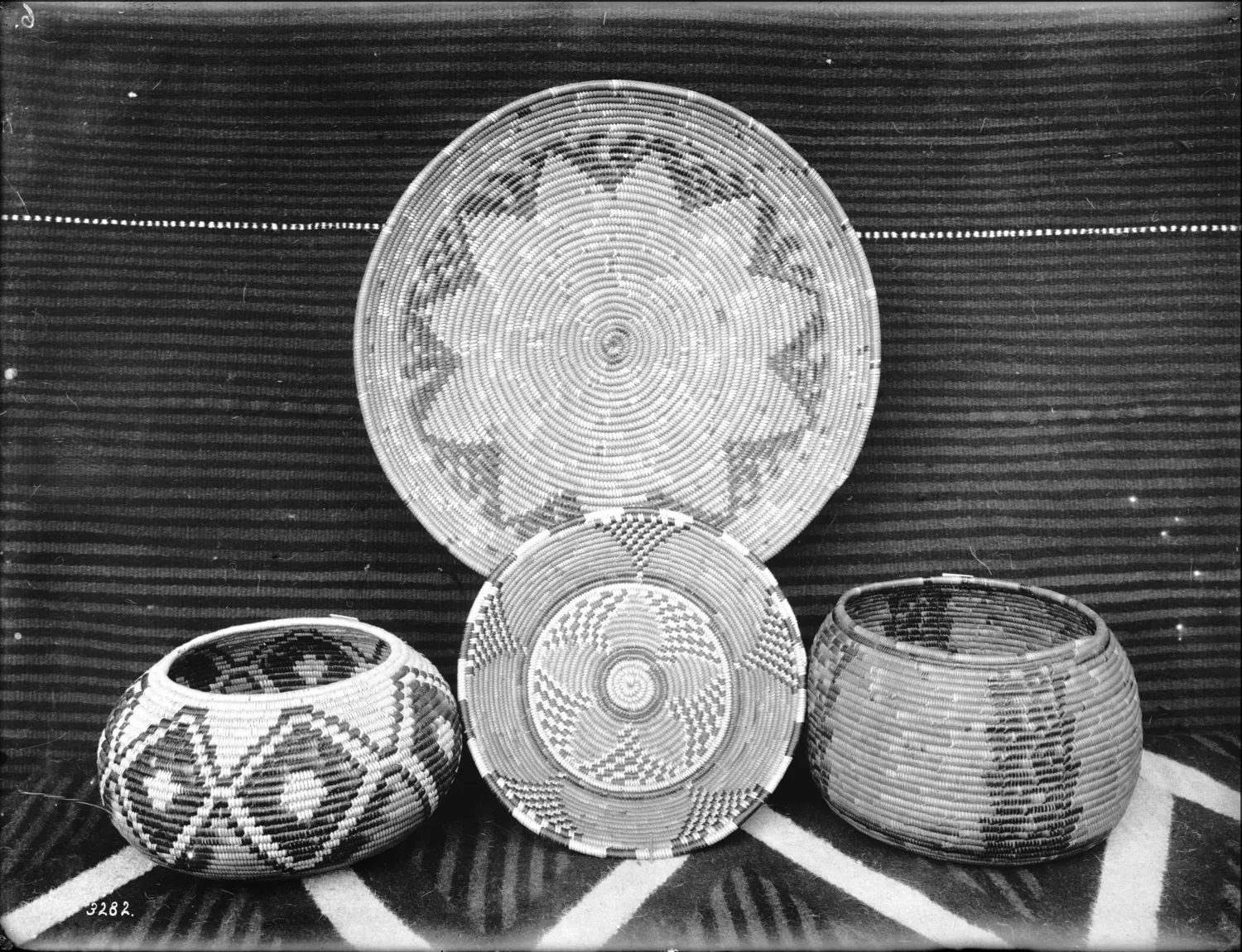
Four Indian baskets on display, photographed ca.1900 by C. C. Pierce / Wikimedia Commons
Native American tribes lived across California for thousands of years before European contact. California has many types of land, such as forests, coasts, rivers, and deserts. The environment shaped how each tribe lived. Tribes used the land and its resources to meet their needs. Their homes, food, and traditions were all connected to nature.
Many tribes lived near rivers or the ocean. The Chumash built homes called aps out of willow branches and grasses. Their villages were close to the coast. The Chumash fished in the ocean and gathered shellfish. They made canoes called tomols to travel and fish.
In the forests, tribes like the Miwok used redwood bark to build round houses. These homes kept them warm in the cold. The Miwok gathered acorns from oak trees. Acorns were a main food. They ground them into flour using stones. Many tribes also hunted deer, rabbits, and birds.
Each tribe had its own special ceremony to give thanks for food. These ceremonies brought people together. Dances, songs, and stories helped teach young people about their tribe’s history. Elders shared lessons about caring for the land.
Trade was important. Tribes traded baskets, shells, and food. Shell beads often served as money. People traveled long distances to trade for goods they needed.
Some tribes lived in the desert, such as the Cahuilla. They built homes from reeds and brush. The Cahuilla used clever ways to find water and grow plants. They ate seeds, roots, and cactus fruit. Their traditions taught respect for the earth and all living things.
Life for California tribes changed with the seasons. They moved to find food or water. People worked together to gather food and build homes. Their strong community helped everyone survive.
Today, many California Native people keep their traditions alive. They teach their language, hold festivals, and tell stories about their ancestors. Their connection to the land is still strong.
Interesting Fact: Some California tribes used more than 100 kinds of plants for food, tools, and medicine!
What did the Chumash use to build homes?
Willow and grassMud bricksStone and clayAnimal skins
Which food was important for the Miwok?
AcornsCornFishRice
What did tribes use shell beads for?
MoneyDecorationsFishingBuilding homes
Why did tribes move during the year?
Find food and waterEscape animalsBuild bigger homesLearn new dances
How did ceremonies help tribes?
Teach historyBuild housesCatch fishPlant trees
What is a tomol?
CanoeBasketToolCeremony
California tribes traded baskets. True or false?
TrueFalse
What does 'community' mean in the passage?
Group living togetherType of foodA kind of houseA dance
Curriculum
Common Core standards covered
RI.4.3
Explain events, procedures, ideas, or concepts in a historical, scientific, or technical text, including what happened and why, based on specific information in the text.
RI.4.4
Determine the meaning of general academic and domain-specific words or phrases in a text relevant to a grade 4 topic or subject area.
W.4.2
Write informative/explanatory texts to examine a topic and convey ideas and information clearly.
Who it's for
Perfect for the way you teach
Teachers
Build comprehension skills
Auto-graded quiz
Differentiated reading
Parents
Read together at home
Improve fluency
Quiet reading time
Homeschoolers
Reading curriculum support
Independent practice
Track Lexile growth
Topics
California tribesNative Americanshistory passagehomesfoodtraditionsC3Common Core
Reviews & Ratings
No reviews yet. Be the first to share your experience!
More reading you might love
20 more
Native American Tribes Across America
This engaging history reading passage introduces students to Native American tribes across America, focusing on their da...
D2.HIS.1.3-5D2.HIS.2.3-5RI.4.1RI.4.2
Teepees: Homes on the Great Plains
This engaging history reading passage introduces students to teepees, the unique homes of Native American tribes on the ...
D2.HIS.2.3-5D2.HIS.14.3-5RI.4.1RI.4.2RI.4.4
Traditional Native American Clothing
This engaging history passage explores traditional Native American clothing and how it reflected the environment, values...
D2.HIS.2.3-5D2.HIS.3.3-5RI.4.3RI.4.4
The Iroquois Confederacy: A System of Peace
This engaging U.S. History reading passage introduces students to the Iroquois Confederacy, a powerful alliance of Nativ...
D2.HIS.2.3-5D2.HIS.3.3-5RI.4.3RI.4.4
The Cherokee Nation: History and Culture
This reading passage explores the rich history and culture of the Cherokee Nation, one of the largest Native American tr...
D2.HIS.2.3-5D2.HIS.14.3-5RI.4.3RI.4.4RI.4.10
The Sioux: Warriors and Tribal Leaders
This history reading passage explores the Sioux Nation, focusing on their roles as warriors and tribal leaders. Students...
D2.HIS.1.3-5D2.HIS.2.3-5RI.4.1RI.4.3
Native American Respect for Nature
This engaging history reading passage explores Native American respect for nature, emphasizing the close relationship be...
D2.HIS.2.3-5D2.HIS.3.3-5RI.4.3RI.4.4
Jamestown: The First Permanent English Colony
This engaging history passage explores the founding of Jamestown, the first permanent English colony in America. Aligned...
D2.HIS.1.3-5D2.HIS.2.3-5RI.4.3RI.4.4
Pocahontas and the Powhatan People
This engaging reading passage explores the life of Pocahontas and the Powhatan people and their important role in early ...
D2.HIS.1.3-5D2.HIS.2.3-5RI.4.1RI.4.3
Colonial Children: School and Chores
This reading passage explores the daily lives of colonial children, focusing on their experiences at school and their ma...
D2.HIS.2.3-5D2.HIS.3.3-5RI.4.1RI.4.2RI.4.4
Colonial Clothing and Homemade Goods
This engaging U.S. history passage explores the daily life of early American colonists with a focus on colonial clothing...
D2.HIS.2.3-5RI.4.3RI.4.4
Colonial Jobs: Blacksmiths, Bakers, and Craftsmen
This engaging history reading passage explores the vital roles of blacksmiths, bakers, and craftsmen in colonial America...
D2.HIS.2.3-5D2.HIS.3.3-5RI.4.3RI.4.4
Colonial Towns and Village Life
This engaging history reading passage explores the daily life, work, and unity found in colonial towns and villages. Ali...
D2.HIS.1.3-5D2.HIS.2.3-5RI.4.3RI.4.4
Colonial Trade with England and Africa
This history reading passage explores colonial trade between the American colonies, England, and Africa, focusing on the...
D2.HIS.2.3-5D2.HIS.14.3-5RI.4.3RI.4.4
Benjamin Franklin: Printer, Inventor, and Leader
This history reading passage explores the life and achievements of Benjamin Franklin, one of America's most important ea...
D2.HIS.2.3-5D2.HIS.3.3-5RI.4.1RI.4.3
George Washington Leads the Army
This engaging history reading passage explores how George Washington bravely led the Continental Army during the America...
D2.HIS.1.3-5D2.HIS.2.3-5RI.4.3RI.4.4
Women and Children During the Revolutionary War
This reading passage explores the important roles women and children played during the Revolutionary War. Students will ...
D2.HIS.2.3-5RI.4.3RI.5.3
The Battle of Yorktown Ends War
This engaging U.S. history reading passage explores the Battle of Yorktown, a key event that ended the American Revoluti...
D2.HIS.1.3-5D2.HIS.2.3-5RI.4.1RI.4.3
Loyalists vs. Patriots: Divided Families
This engaging U.S. history reading passage explores the division between Loyalists and Patriots during the American Revo...
D2.HIS.1.3-5D2.HIS.2.3-5RI.4.3RI.4.4
George Washington: Our First President
This engaging U.S. history reading passage introduces students to George Washington, America’s first president, through ...